
Punch List Repairs
HammerNest helps homeowners, landlords, and property managers around Freeport, IL group small repairs into one organized punch-list request.
Fast response. Quality work. Fair pricing.
Grouped small-repair scope
Punch list repair help for grouped small jobs in Freeport, IL
HammerNest reviews organized punch lists for homeowners, landlords, and property managers in Freeport, IL. Drywall damage, sticking doors, broken trim, loose cabinet hardware, shelving, fixtures, failed caulk, and other localized repairs can be submitted together as one clear scope.
Every item should still be reviewed with the surrounding material and room condition. Grouping repairs makes the request easier to understand, but each task may need its own repair method or boundary.
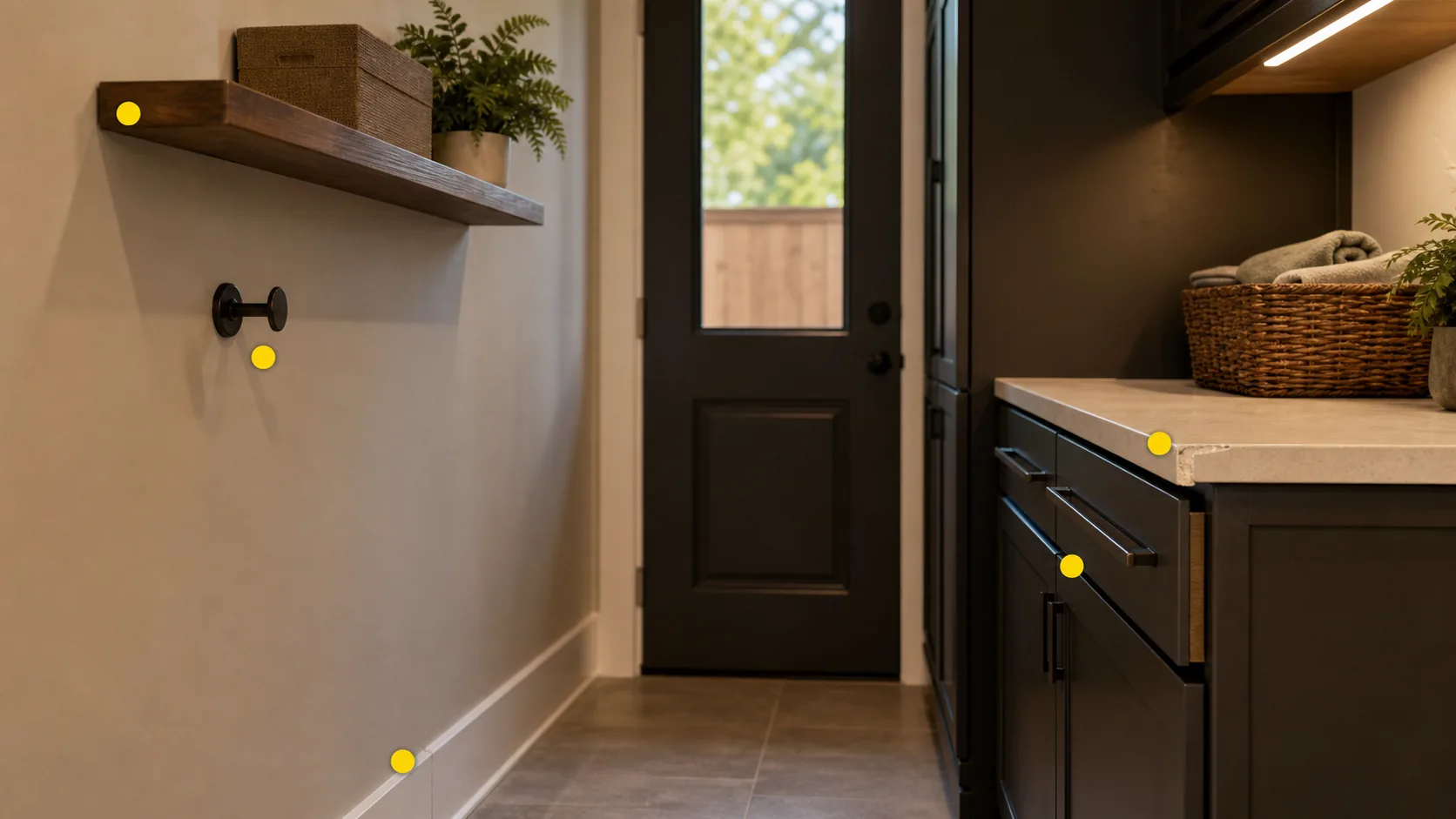
Drywall, doors, and trim
Anchor holes, failed patches, scraping doors, damaged jambs, loose casing, chipped baseboards, and unfinished trim edges can be grouped by room.
Cabinets and hardware
Sagging doors, sticking drawers, damaged slides, loose hinges, missing pulls, catches, shelf pins, and mounting points should be shown with surrounding material.
Shelving and mounted fixtures
Loose shelves, hooks, towel bars, mirrors, curtain hardware, and small mounted fixtures should be photographed with brackets, anchors, and wall surfaces.
Caulk and transitions
Failed caulk, threshold edges, flooring transitions, trim gaps, and small exterior joints can be included when they stay localized.
Move-in, move-out, and inspection lists
Grouped repairs can be organized around property access, inspection follow-up, move timing, deferred maintenance, or smaller unfinished projects.
One complete submission is usually clearer than separate requests for every small repair, as long as every item has its own photo and room label.
Share the room list, matching photos, access notes, priorities, supplied materials, and any items that may need a different provider.
Project intake checklist
What to send with your punch list repair request
A numbered task list, matching photos, access details, and clear priorities help HammerNest review the full scope without guessing which repair belongs to which room or property area.
Room-by-room task list
Organize the request by entry, kitchen, bathroom, bedrooms, hallways, living areas, basement, garage, or exterior. Number every repair item.
Wide photos and close-ups
Send one wide photo of every affected room or work area, followed by close-ups of each damaged component and the surface supporting it.
Measurements and materials
Include rough dimensions and quantities where useful. Photograph owner-supplied paint, trim, hinges, drawer slides, shelving, fixtures, caulk, or hardware.
Access details
Note whether the property is occupied, furnished, vacant, still being cleared, or blocked by furniture, appliances, pets, stairs, parking, or lockbox access.
Known boundaries
Identify leaks, electrical symptoms, gas concerns, widespread moisture, structural movement, or large damage separately before handyman work is planned.
Make one numbered list with matching photos the center of the request. A clear Hallway 03 is easier to review than a loose collection of images.
Gather the room labels, task numbers, wide views, close-ups, materials, access details, and any boundary items.
How it works
Narrow the punch list before follow-up.
A clear list helps separate functional repairs, cosmetic touch-ups, optional updates, materials, timing, and items that may need another provider.
- Send repair detailsShare photos, location, urgency, and the best way to reach you.
- Upload photos if helpfulWide and close-up photos make the first review clearer.
- Choose call or text follow-upTell us how you prefer to handle the next step.
- Get the next stepIf the job fits, timing, materials, and the repair plan are confirmed.


Punch list scope planning
Build one clear punch list before follow-up
A single organized punch list helps separate functional repairs, cosmetic touch-ups, optional improvements, and items that may need another provider. Group each task by room and match it to labeled photos.
The point is to turn scattered notes into a reviewable scope without implying that every task belongs in one appointment or uses one repair method.
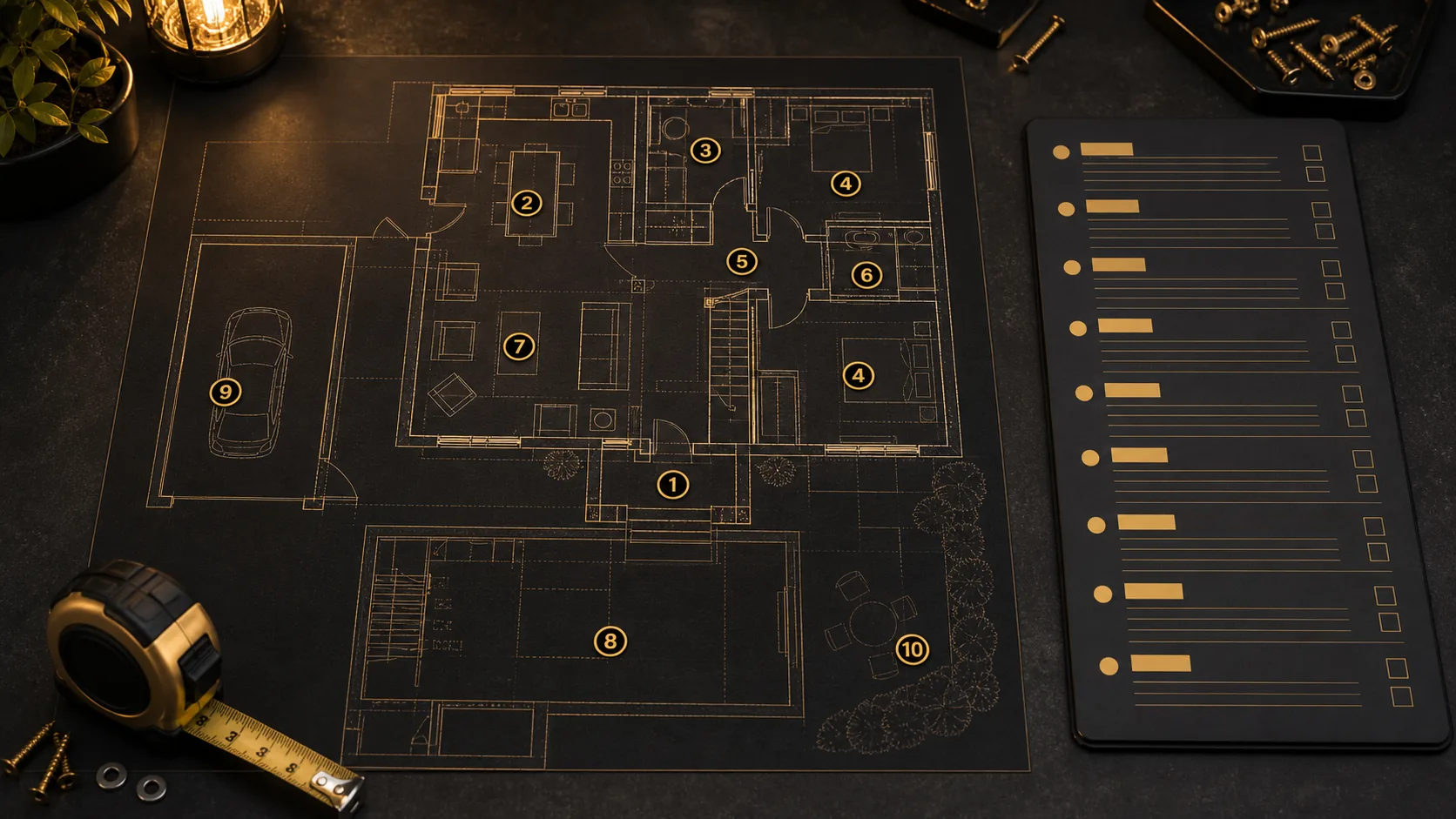
Organize by room
List the entry, kitchen, bathrooms, bedrooms, hallways, living areas, basement, garage, and exterior separately. Keep related items together.
Identify the repair type
Label each task clearly as drywall, door, trim, cabinet, shelving, fixture, caulk, hardware, transition, or another practical category.
Set practical priorities
Mark repairs that affect normal use, such as a door that will not close, a cabinet pulling loose, an unstable fixture, or a sharp threshold edge.
Separate optional items
Optional improvements and nice-to-have upgrades should be apart from required repairs so the scope stays realistic.
Track material status
Show which parts are onsite, which still need matching, and which items may need another provider before repair.
Timing connected to move-in, move-out, inspection follow-up, or property access is useful context, but it should not be treated as a guaranteed completion date.
Share room labels, item numbers, repair categories, priority notes, owner-supplied materials, and boundary concerns.
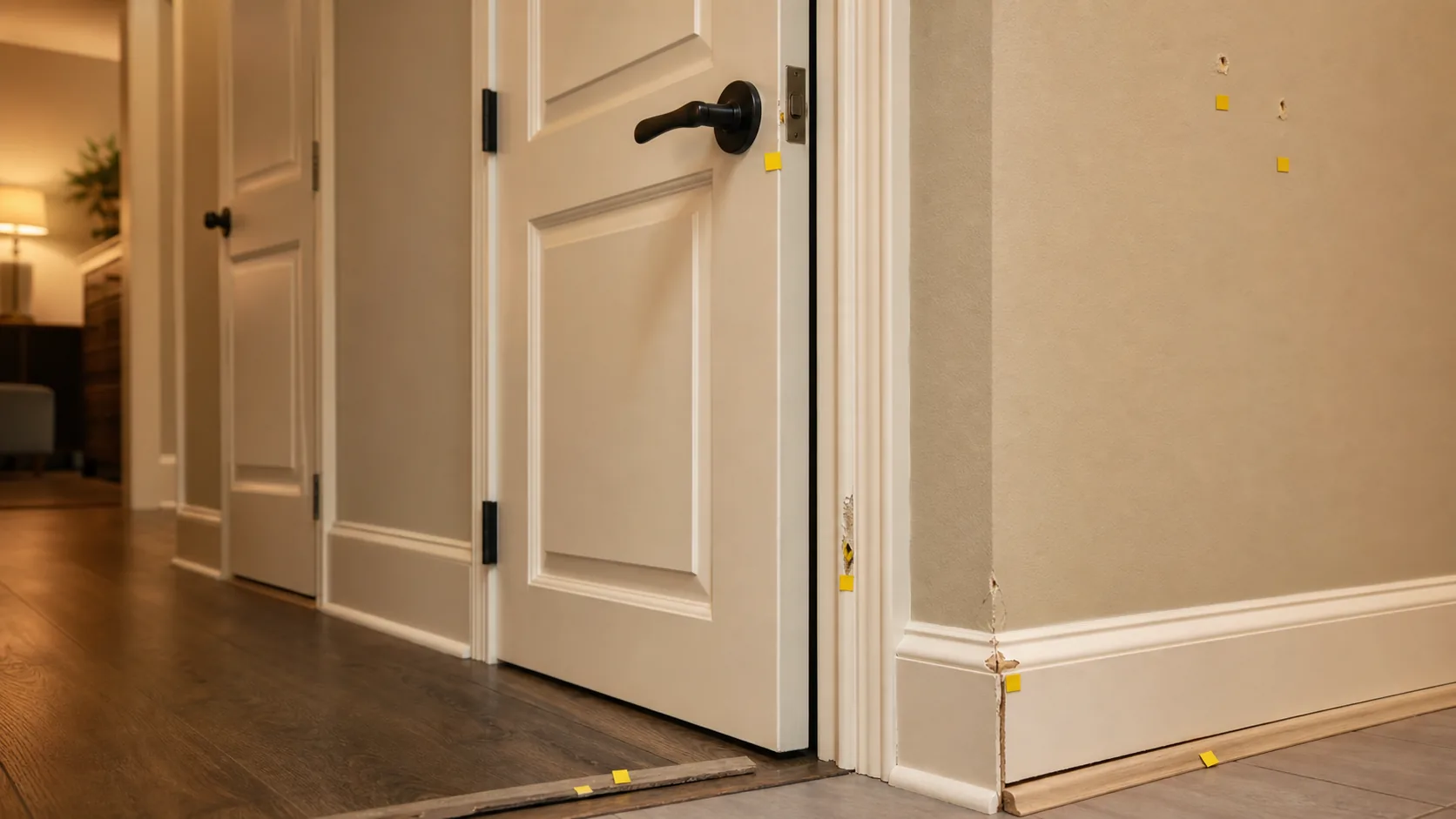
Core interior repairs
Walls, doors, and trim often form the core repair list
Drywall damage, sticking doors, loose hardware, broken casing, and unfinished floor edges often appear together on move-in, move-out, inspection, and deferred-maintenance punch lists.
Group these items by room so each repair can be reviewed with the surrounding wall, doorway, trim, and floor condition.
Drywall holes and failed patches
Anchor holes, impact damage, torn paper, cracked corners, and visible previous patches should be shown with wide room photos and close-ups.
Sticking or damaged doors
Doors that scrape, sag, swing open, or fail to latch may involve hinges, strike plates, jambs, thresholds, or floor clearance.
Loose hardware and mounting points
Loose handles, hinges, strike plates, and screws should be photographed with the surrounding door edge, jamb, or wall material.
Trim and floor edges
Loose casing, open miters, chipped baseboards, missing shoe molding, thresholds, transitions, and unfinished floor edges should be shown together.
Finish expectations
Paint-ready prep, texture blending, touch-up paint, and closer cosmetic matching are related but separate expectations.
Moisture staining, soft drywall, swollen trim, broad wall movement, or large damaged areas should be identified before cosmetic repair is planned.
Send room-wide photos, close-ups, item numbers, nearby trim and floor context, and finish expectations.
Hardware and mounting check
Hardware and mounted items should be reviewed with the surfaces supporting them
Loose cabinet parts, shelving, hooks, fixtures, and other mounted items may involve more than missing screws. The hardware, mounting points, surrounding wall or cabinet material, and any moisture or previous damage should be reviewed together.
Replacement parts should be checked for compatibility before assuming they will fit the existing holes, backing, brackets, hinges, slides, or mounting pattern.
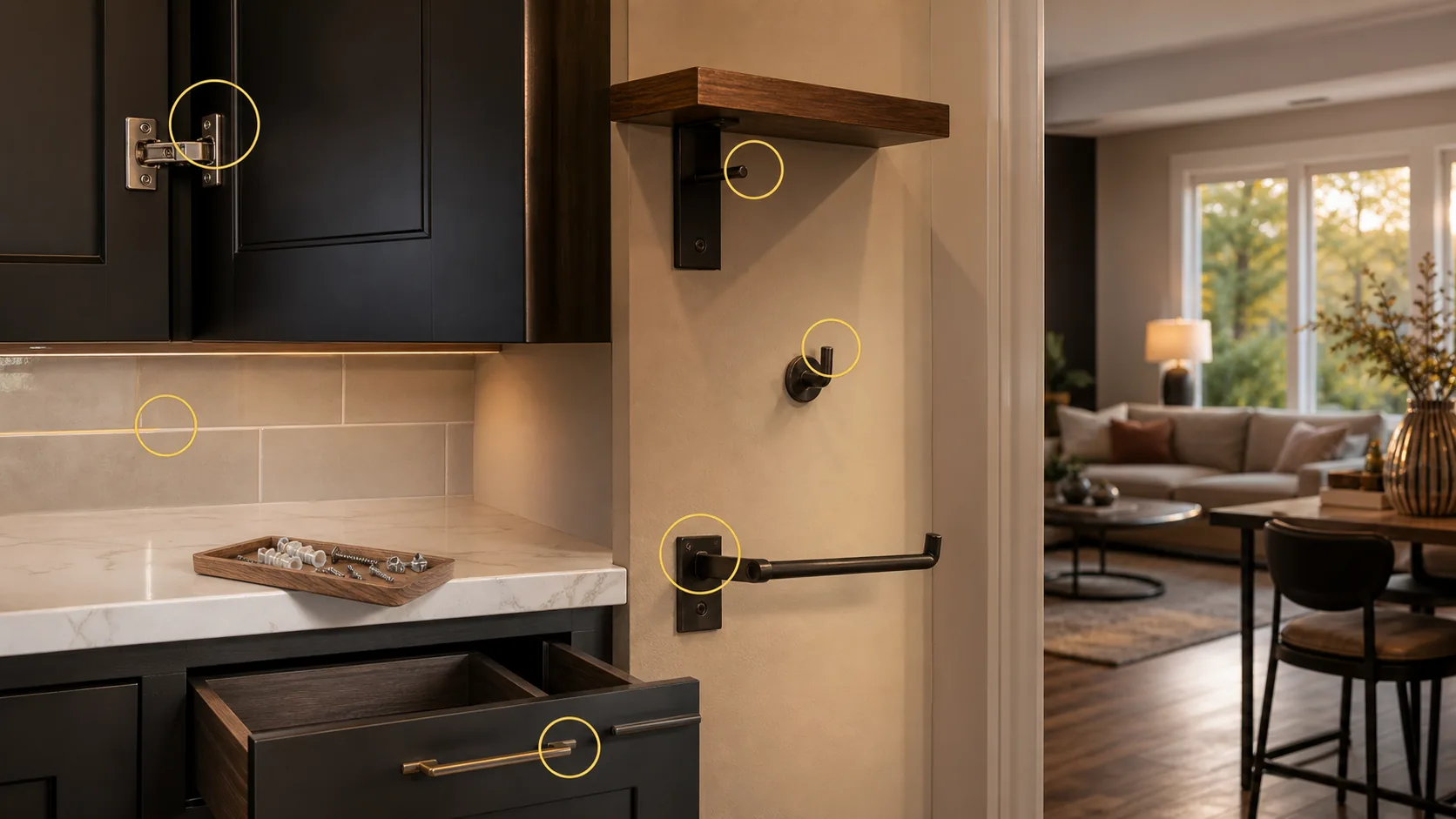
Cabinet hinges, slides, and pulls
Sagging doors, sticking drawers, loose hinges, damaged slides, missing pulls, catches, and shelf pins should be photographed with attachment points.
Shelving and wall storage
Shelves that tilt, loosen, or pull away may involve brackets, anchors, wall damage, or the weight and layout of stored items.
Hooks, bars, and fixtures
Towel bars, hooks, mirrors, curtain hardware, small fixtures, and accessories should be shown with mounting plates and the surrounding surface.
Caulk and small joints
Failed caulk around sinks, backsplashes, tubs, countertops, trim, and small exterior joints should be shown with the full joint.
Hidden scope boundaries
Active leaks, electrical symptoms, concealed-system concerns, soft drywall, or water-swollen cabinets should be listed separately.
Owner-supplied parts are helpful when they are labeled by room and item number, with photos of the existing damaged part and replacement piece.
Send close-ups of brackets, anchors, hinges, slides, fixtures, caulk, replacement parts, and the surface condition around each item.
Project context
Punch lists can be organized around the property next step
The same small repairs may carry different priorities depending on whether the property is being prepared for move-in, move-out, inspection follow-up, rental turnover, or routine maintenance. Label the context and identify which items need functional attention first.
Move-in preparation
Group unfinished drywall, door, trim, shelving, fixture, caulk, and hardware items before rooms are arranged or fully occupied.
Move-out repairs
List anchor holes, removed fixtures, damaged trim, loose cabinet parts, failed caulk, and localized wear by room with matching photos.
Inspection follow-up
Translate each inspection note into a specific repair request with item number, location, photos, and requested scope.
Rental turnover
Landlord or property-manager lists should include access notes, vacancy status, room labels, and any timing that affects entry or sequencing.
Deferred repairs
Homeowner lists accumulated over time should separate functional repairs, cosmetic concerns, and optional updates before follow-up.
One submitted list does not guarantee every item fits HammerNest or one visit. The list helps the practical next step become clear.
Share whether the list is for move-in, move-out, inspection follow-up, rental turnover, routine maintenance, or another access window.
Estimate factors
What affects a punch list repair estimate
The scope depends on the number of rooms and tasks, the materials involved, the condition beneath the visible damage, property access, and whether the request focuses on functional repair, finish preparation, or closer cosmetic matching.
Tasks and rooms
A few related repairs in one room are different from drywall, doors, trim, cabinets, fixtures, shelving, caulk, and hardware spread throughout a property.
Materials and parts
Paint, trim profiles, hinges, slides, brackets, fixtures, anchors, and other parts may need to be identified or matched.
Existing damage
Failed patches, stripped mounting holes, water-swollen cabinet panels, split jambs, old caulk, and previous repairs can expand the scope.
Access
Occupancy, furniture, appliances, stairs, parking, pets, lockbox entry, and blocked areas can affect how the list is reviewed.
Removal and preparation
Old anchors, failed filler, damaged hardware, abandoned components, and old caulk may need removal before repair.
Finish scope
Functional repair, paint-ready preparation, touch-up work, and closer cosmetic matching are different expectations.
Do not assume package pricing or a fixed number of tasks per appointment. A punch list is reviewed by actual items, access, materials, and boundaries.
Clear photos, item numbers, materials, access details, and finish expectations help HammerNest review the practical next step.
Project boundaries
When a punch list may need a broader repair plan
Some punch lists extend beyond grouped small repairs. Major remodeling, active utility problems, widespread material deterioration, or movement affecting the structure may need to be separated from the handyman scope and reviewed by another provider first.
Related localized tasks can remain on the same list, but larger concerns should be identified separately before work is planned.
Punch-list items outside localized handyman repair
Major remodeling
Full-room renovations, large flooring projects, cabinet replacement, wall reconfiguration, and extensive finish upgrades are broader than a localized punch list.
Trade concerns
New wiring, electrical troubleshooting, circuit issues, active leaks, valve or drain changes, gas-related work, and HVAC repairs should be listed separately.
Widespread deterioration
Widespread moisture, mold concerns, rot, soft framing, pest damage, or large wall and ceiling damage may need another provider.
Structural movement
Structural movement, unstable stairs or railings, major wall damage, and extensive subfloor problems should be separated from small repairs.
Specialty systems
Commercial systems, access-control hardware, specialty glass, and manufacturer-authorized work may not fit the punch-list scope.
Bundled localized tasks
Drywall, doors, trim, cabinets, fixtures, shelving, caulk, hardware, and small transitions can still be submitted together.
One submission does not guarantee one provider, repair method, appointment, or completion date.
Share every room, task, supplied part, access detail, timing context, and larger concern in one organized request.
Service hub
Related small-job and property repair paths.
These pages may fit the same grouped repair, move-in, move-out, inspection-list, or small-job request.
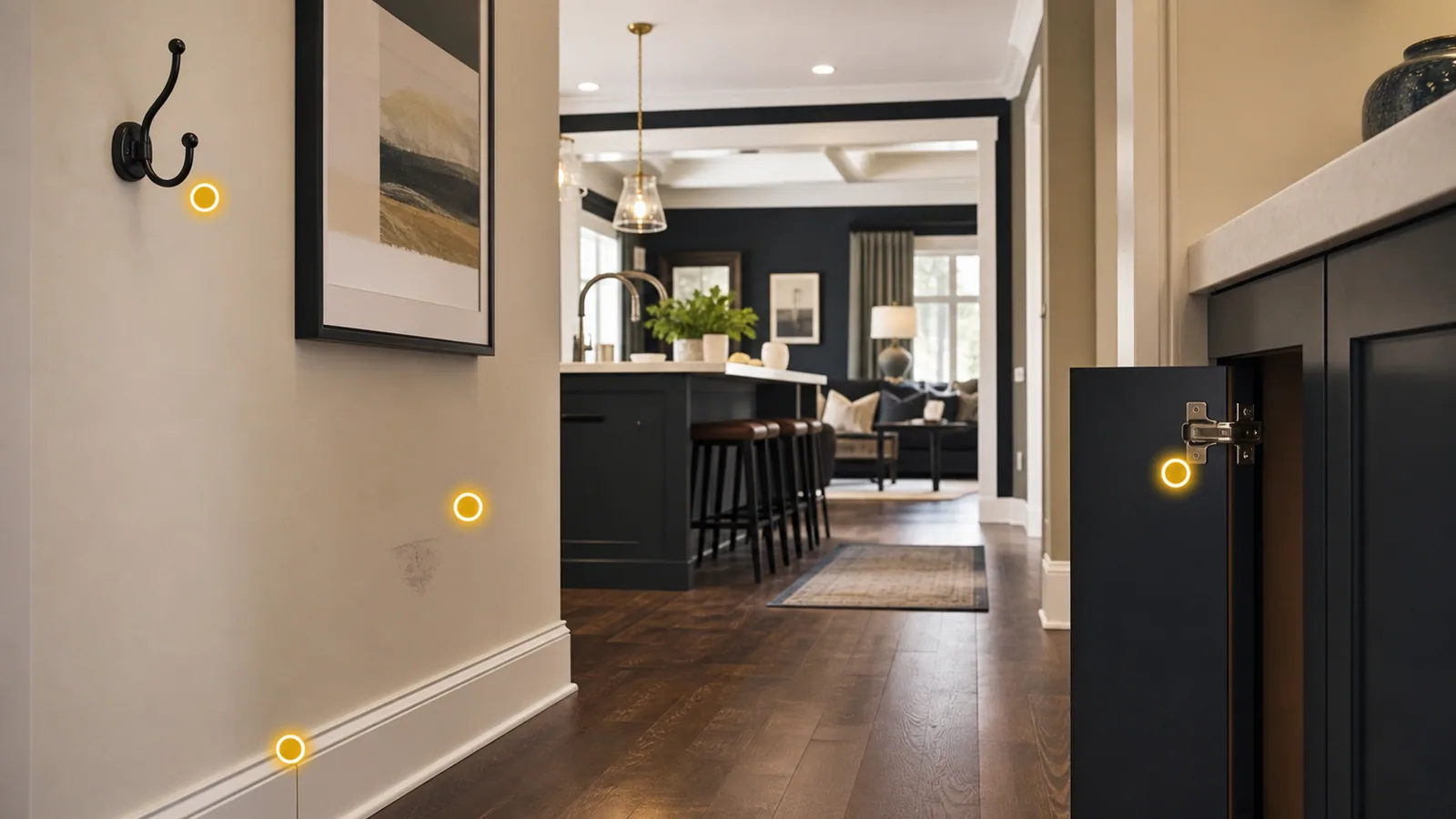 Handyman for Small JobsNeed a handyman for small jobs near Freeport? Group photos, notes, and timing into one request for practical punch-list review.View Service ->
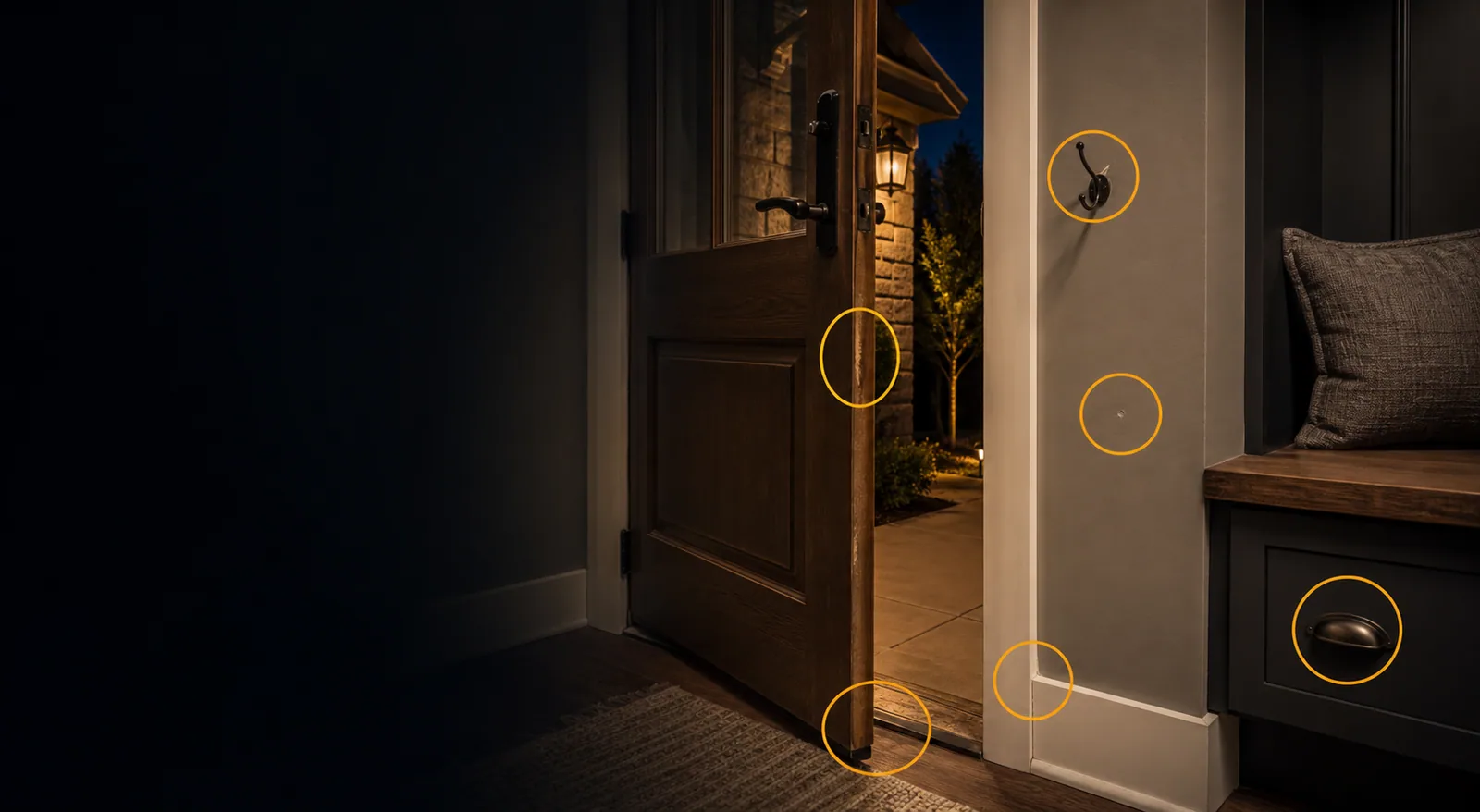 Same-Week Home Repairs in Freeport, ILNeed a time-sensitive home repair near Freeport? Send photos, urgency, and repair notes so HammerNest can review the next step.View Service ->
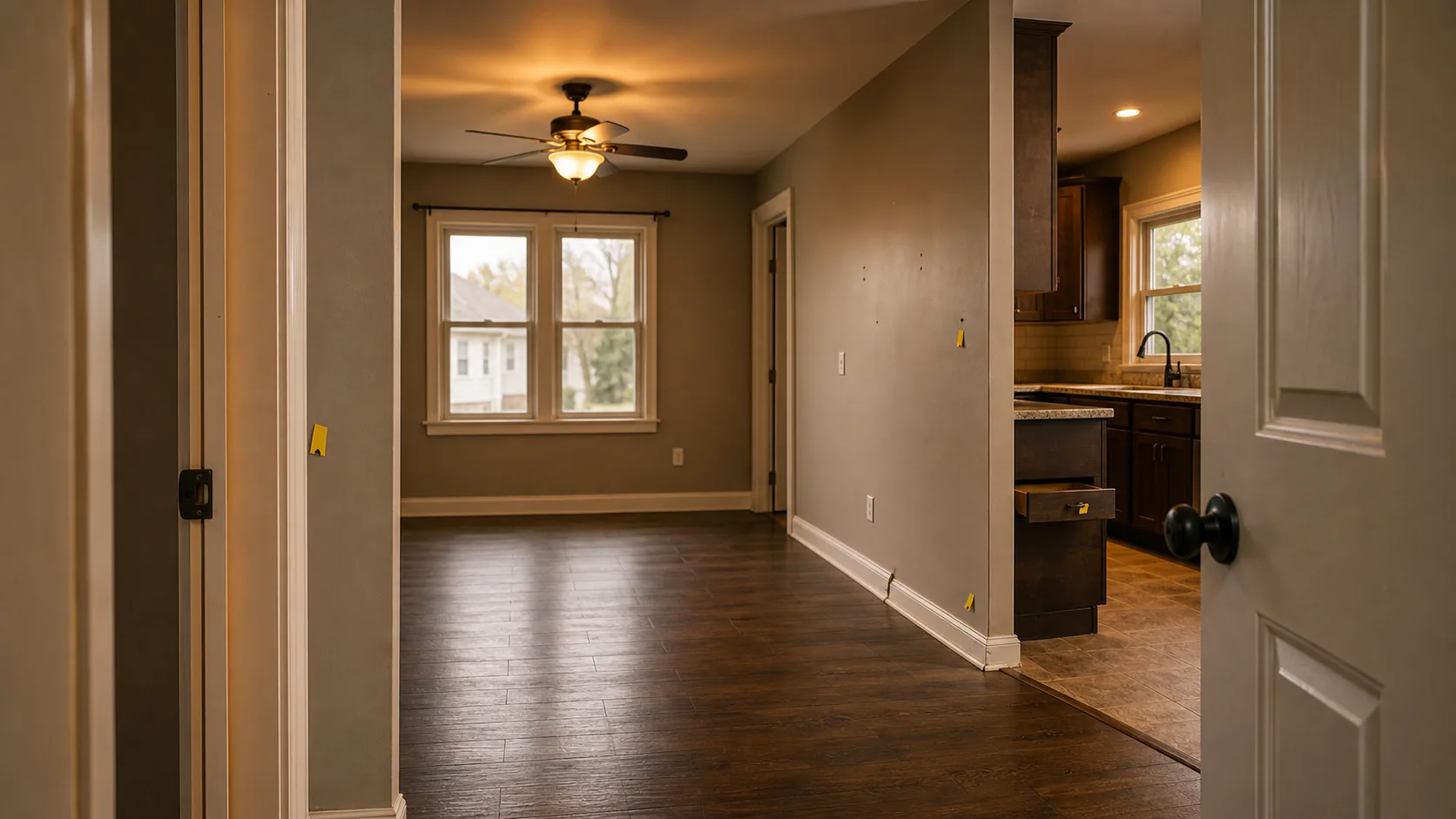 Rental Property Turnover RepairsNeed rental property turnover repairs in Freeport, IL? HammerNest reviews photos, scope, materials, and timing for practical handyman help nearby.View Service ->
 Request EstimateSend photos, timing, property details, and repair notes so HammerNest can review your handyman request before the next step.View Service ->


 Not sure if we cover your area?


