
Representative repair situations, labeled clearly.
Realistic repair examples. Honest expectations.
See the kinds of drywall, door, cabinet, deck, caulking, and punch-list problems HammerNest is built to review. Images on this page illustrate common repair situations unless a completed HammerNest project is specifically identified.
Examples are labeled clearly. Customer feedback is published only when it can be properly attributed.
See the problem, the possible scope, and the right service.
Common repairs. Clear examples.
These examples show recognizable home-repair situations and the type of work that may be involved. They are not presented as completed customer projects unless specifically labeled that way.
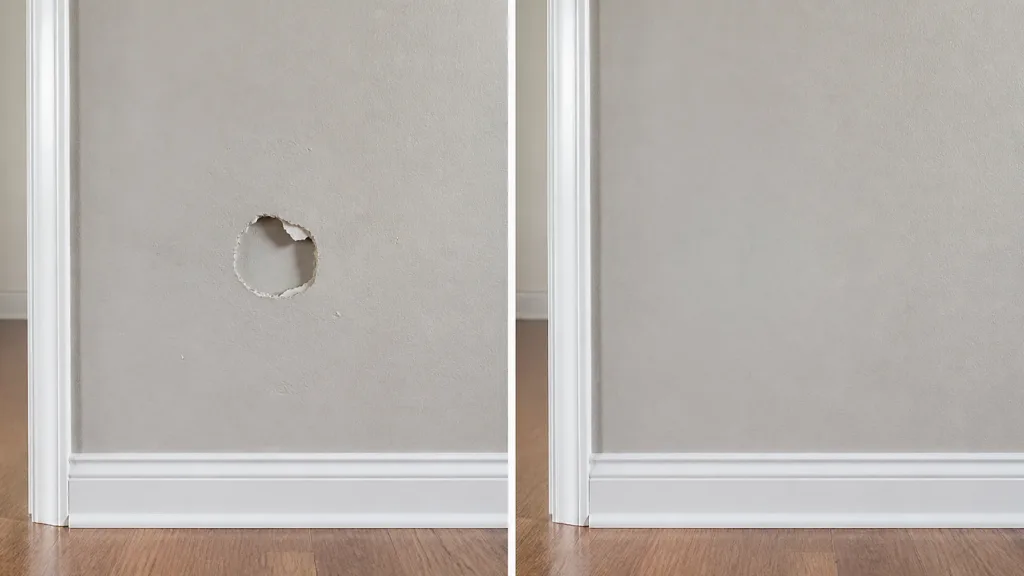
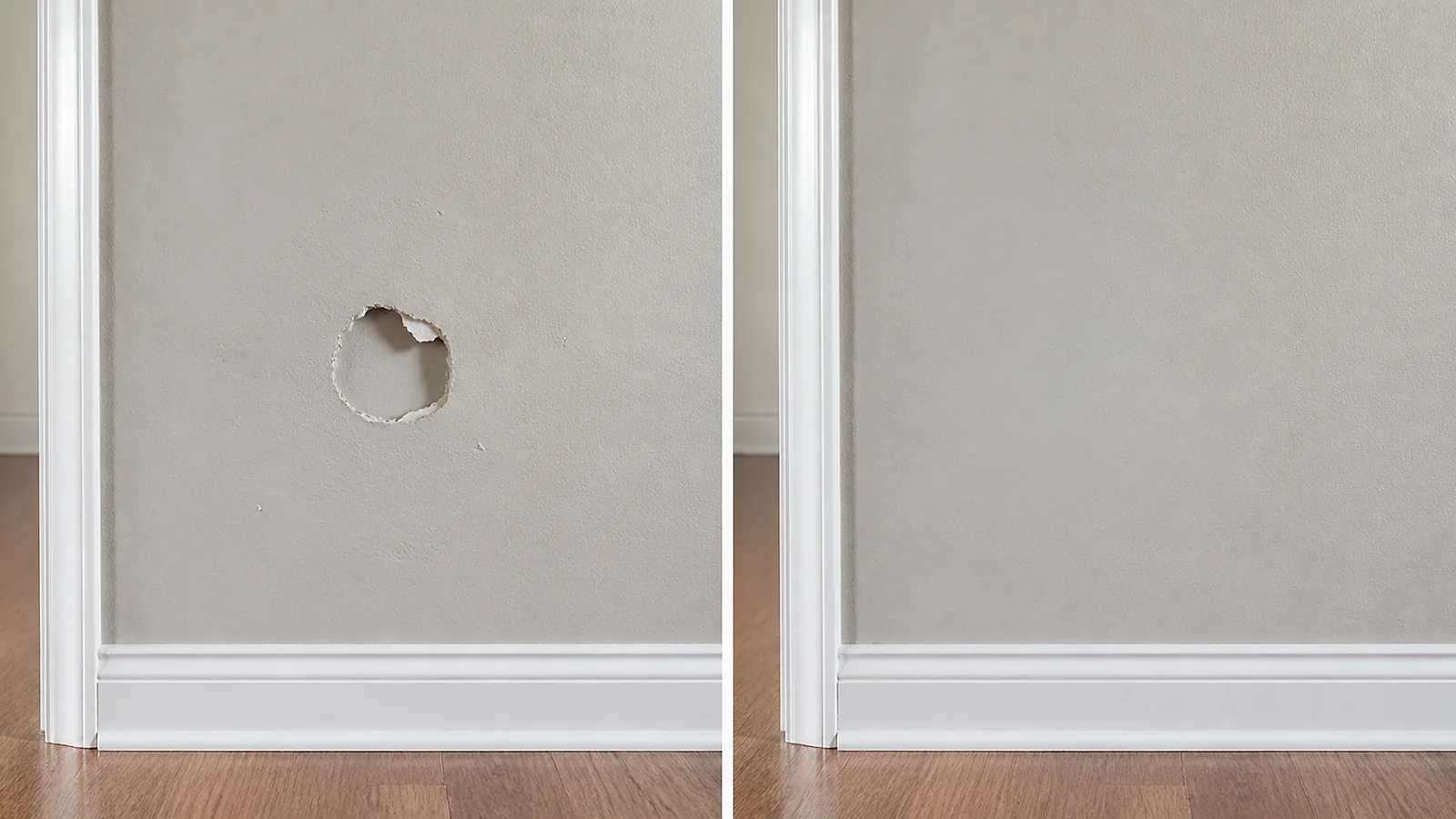
Drywall patch example
A wall hole from a door handle or moved furniture.
Explore Drywall Repair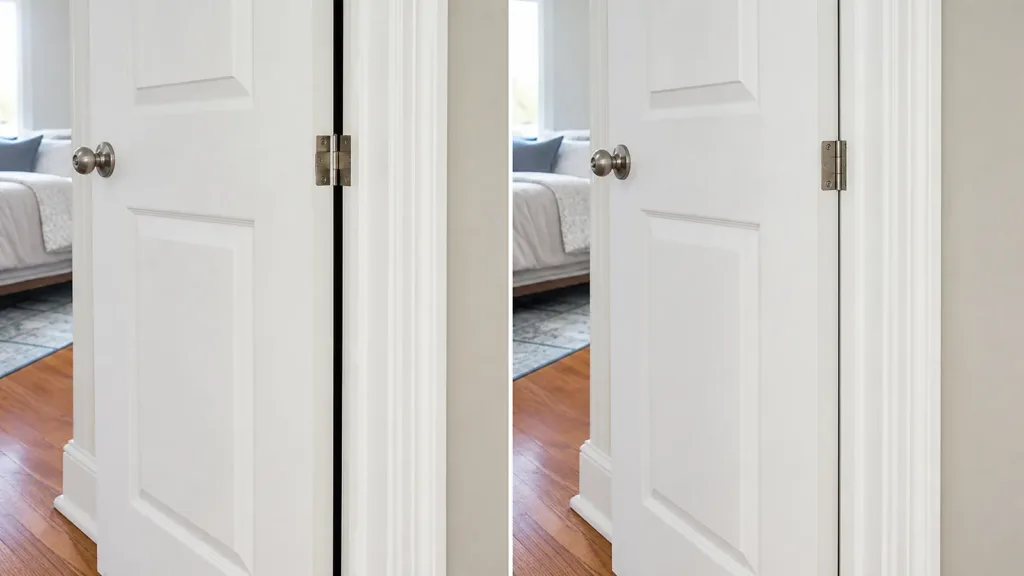
Sticking door example
An interior door rubs, drags, or will not latch cleanly.
Explore Door Repair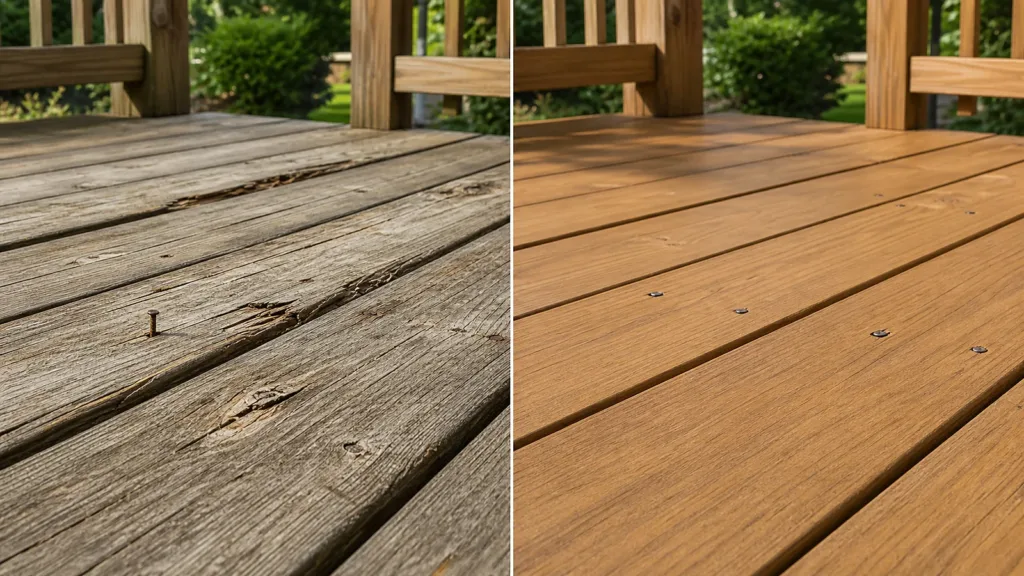
Loose railing example
A railing or stair detail moves more than it should.
Explore Deck Repair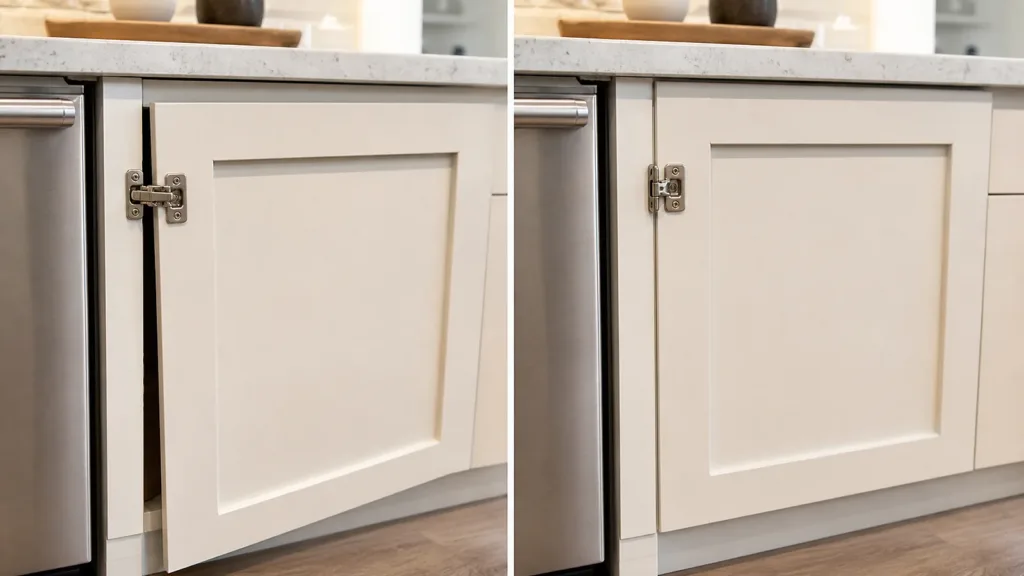
Cabinet hinge example
A cabinet door hangs crooked or will not close evenly.
Explore Cabinet Repair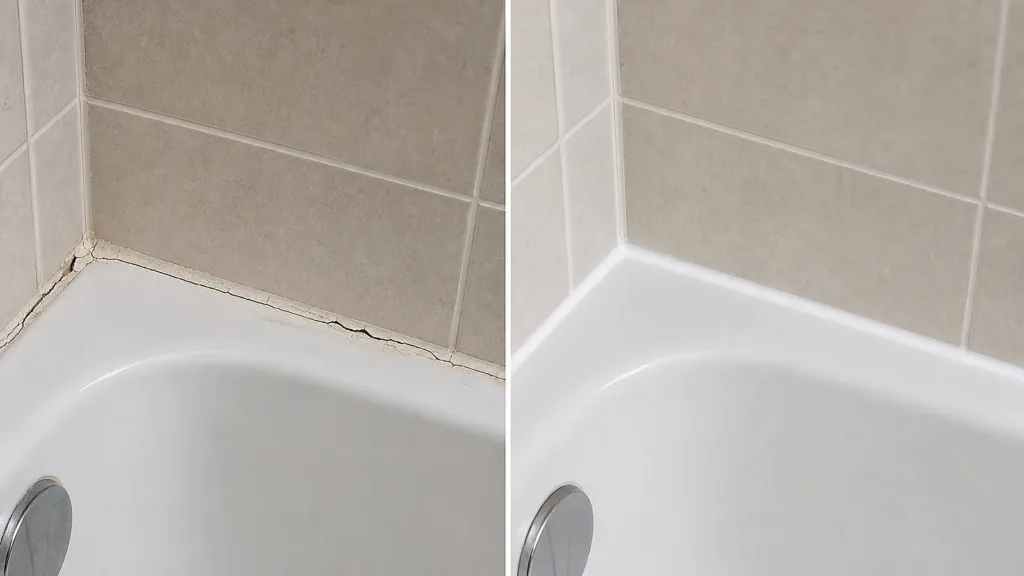
Caulk refresh example
Old caulk is cracked, stained, or pulling away at a joint.
Explore Weatherproofing and Caulking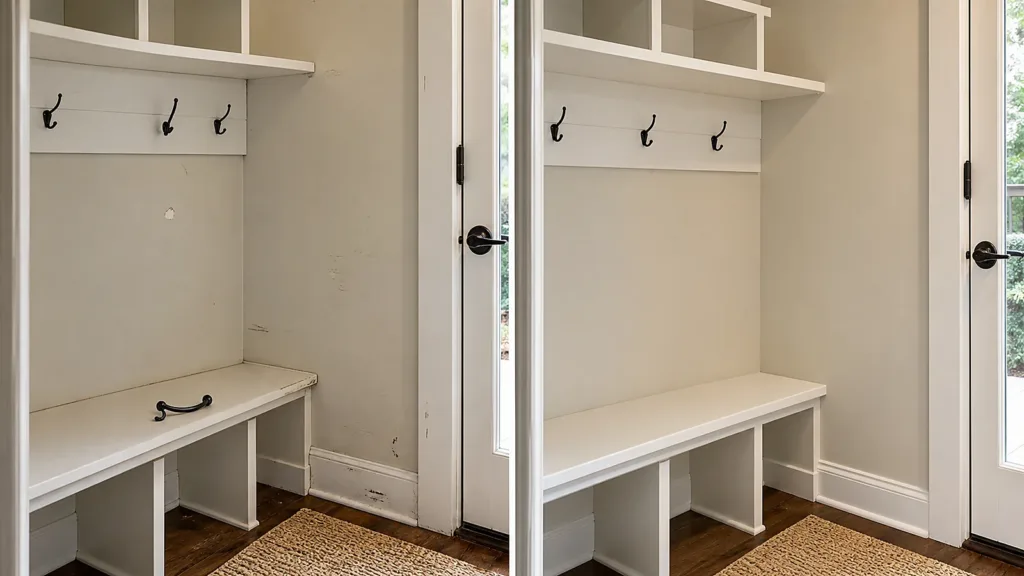
Punch-list example
Several small items have piled up across the home.
Explore Punch List Repairs
Useful proof begins with accurate labels and practical context.
What you can learn from these examples.
A repair image can help identify the general type of problem and the service category that may fit. It cannot always reveal what is happening behind the visible surface.
Recognize the repair category
The examples help connect visible issues such as a dragging door, damaged wall, loose hinge, or failed caulk line to the service most likely to address it.
Understand the likely work
Each example explains common adjustments, materials, preparation, replacement work, or access factors that may be involved.
Know what photos cannot confirm
Hidden damage, moisture, structural movement, damaged framing, inaccessible connections, and previous repairs may not be visible in an initial photograph.
Start with better information
Compare your problem with the examples, then submit wider photos, close-ups, location details, and a description of what is happening.
A few useful photos can turn a vague problem into a reviewable request.
Show the repair from more than one angle.
You do not need professional photography. The goal is to show the visible problem, its surrounding area, and anything that may affect access or materials.
- 01
Full area
Take one wider image showing the wall, doorway, cabinet, deck section, fixture, or room where the problem is located.
- 02
Close-up
Photograph the crack, gap, hinge, fastener, damaged edge, leaking connection, loose component, or failed finish clearly.
- 03
Operation
For doors, drawers, windows, hinges, latches, and moving parts, show where the item rubs, separates, sags, or stops working.
- 04
Measurements
A tape measure beside the damaged area can help communicate approximate size for drywall, trim, shelving, and replacement pieces.
- 05
Punch lists
When submitting multiple repairs, number the items in the written description and upload matching photos for each one.
The visible surface does not always reveal the complete repair.
Photos help define the starting point.
Two repairs can look nearly identical in a photograph and still require different materials, preparation, access, or replacement work.
A drywall crack may be limited to the finished surface, or it may continue moving because of a problem beneath it. A loose railing may need new fasteners, or the surrounding wood may no longer provide a secure attachment point. A cabinet hinge may simply need adjustment, or the mounting material may be too damaged to hold the existing hardware.
Photos allow HammerNest to begin reviewing the problem. They do not guarantee that every condition, material requirement, or hidden issue can be identified before the repair is examined more closely.
When a request appears to involve structural work, major electrical or plumbing changes, HVAC systems, significant water damage, roofing, or another specialized trade, HammerNest should recommend the appropriate type of professional instead of forcing the job into handyman scope.



 Not sure if we cover your area?

