
Handyman Services in Freeport, IL
HammerNest helps Freeport homeowners and property managers request one focused repair or a short mixed list with clear photos, material context, parking and access notes, seasonal conditions, and practical residential scope boundaries.
Fast response. Quality work. Fair pricing.
Local handyman repair scope
Practical handyman help for homes in Freeport, IL
HammerNest reviews one focused repair or a short mixed list for homeowners and property managers seeking handyman services in Freeport, IL. Common requests include drywall damage, sticking doors, loose trim, cabinet hardware, shelving, mounted fixtures, failed caulk, and worn thresholds.
Freeport properties may include established homes, older materials, updated interiors, basements or utility areas, porches, decks, fenced yards, and attached or detached garages. These conditions can affect material compatibility, moisture exposure, access, and how a straightforward-looking repair should be reviewed.
The visible problem, surrounding surface, mounting points, parking and access conditions, and any owner-supplied parts should be considered together. Clear photos help define whether the request fits localized residential handyman scope or may involve broader conditions requiring another provider.
Walls, doors, and interior trim
Drywall holes, previous patches, rubbing doors, loose casing, damaged baseboards, and unfinished trim edges should be shown with the surrounding wall, floor, and complete doorway.
Cabinets, shelving, and mounted hardware
Loose hinges, sticking drawers, damaged slides, shelves, hooks, mirrors, and other mounted items should be documented with their fasteners, mounting points, and supporting surfaces.
Caulk, thresholds, and finish joints
Failed caulk, worn thresholds, loose transitions, weatherstripping, and reopened finish joints can be reviewed when adjoining materials and any visible staining, swelling, or movement are included.
Porch, deck, fence, and garage details
Localized porch trim, deck edges, gate latches, fence hardware, garage shelving, and entry concerns can be grouped into the same short request with clear parking and property-access notes.
Older materials, previous repairs, seasonal exposure, flooring changes, and unmatched replacement parts can affect the scope, so photograph each issue and its surrounding condition clearly.
Share the property address, photos, measurements, parking and access notes, and any owner-supplied parts so HammerNest can review the practical residential handyman scope.
Project intake checklist
What to send before requesting handyman help in Freeport
A few clear photos and practical details help HammerNest understand the repair, surrounding materials, available parts, and property access. For one or two small jobs, a simple phone-photo set and short explanation are enough for an initial review.
Show the complete repair area
Send one wide photo showing the full room, doorway, cabinet run, basement, porch, deck, garage, or exterior area around each repair. Include nearby walls, floors, trim, furniture, and fixtures.
Add damage and mounting close-ups
Photograph the damaged item, fasteners, mounting points, and surrounding material from more than one angle. Show cracks, gaps, staining, separation, missing hardware, previous patches, or other visible conditions.
Describe what is happening
Briefly explain what sticks, shifts, rattles, separates, leaks, or no longer works correctly. Note whether the issue is constant or changes during normal use, temperature shifts, humidity, or wet weather.
Include measurements and supplied parts
Provide rough measurements where fit, clearance, spacing, or material compatibility matters. Share product links and photos of any owner-supplied shelves, fixtures, hinges, handles, brackets, weatherstripping, or replacement hardware.
Explain parking, access, and preferred timing
Note street, driveway, alley, shared, or limited parking; gates; stairs; pets; furniture; appliances; vehicles; stored items; basement or garage access; and anything blocking the repair area. Preferred timing can be included as planning context rather than a confirmed appointment.
Phone photos are enough for the initial review. The images do not need to be polished. They are most useful when they show the complete repair area, damaged detail, supporting material, available parts, parking conditions, and access limitations. Photos help define the request but do not confirm the final scope, estimate, availability, schedule, or outcome.
Share the photos, problem description, measurements, owner-supplied parts, parking and access notes, and preferred timing so HammerNest can review the practical next step.
Common repair requests
Common small home repairs requested around Freeport
Freeport homeowners and property managers may have several localized repairs that affect everyday use without requiring a larger renovation. These requests can involve walls, doors, trim, cabinets, mounted hardware, caulk, or exterior details around the same residential property.
A simple-looking issue can become more involved when older materials, moisture, previous repairs, flooring-height changes, seasonal movement, or replacement-part compatibility are part of the condition. Clear photos of the damaged item and surrounding surface help define the practical scope.
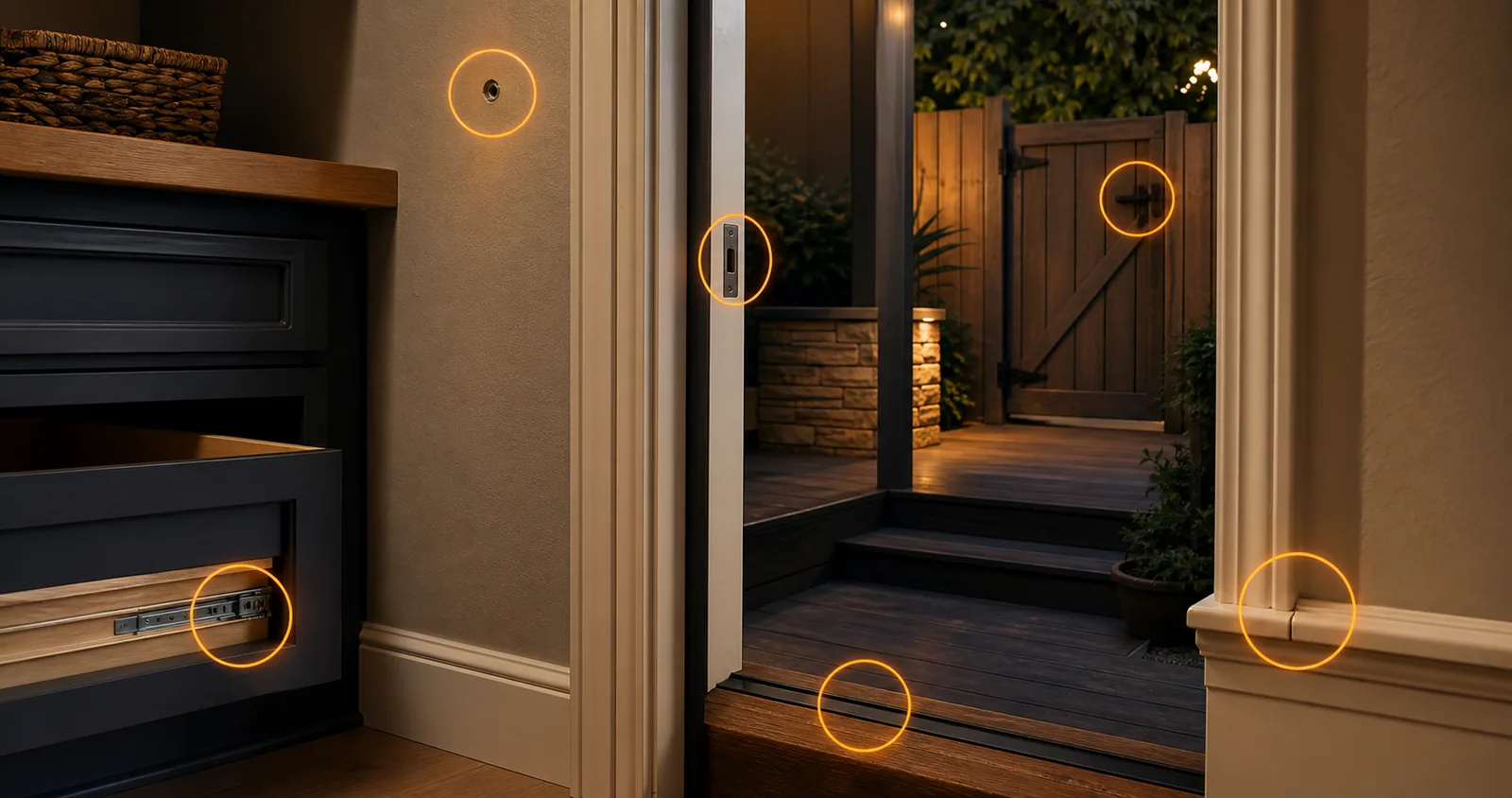
Drywall holes and previous patches
Impact damage, visible patch edges, anchor holes, and marks left by removed shelving, television mounts, or other wall hardware should be shown with the surrounding drywall, texture, and finish.
Doors that rub or fail to latch
A door that drags, shifts, or no longer latches may involve hinges, frame contact, floor clearance, or seasonal movement. Include photos of the complete doorway in open and closed positions.
Thresholds and weatherstripping
Worn thresholds, loose transitions, damaged sweeps, and compressed perimeter seals should be documented with the door bottom, adjoining flooring, and complete entry area.
Casing, baseboards, and interior trim
Loose casing, separated joints, chipped baseboards, missing shoe molding, and unfinished trim edges should be shown with the adjoining wall, floor, and doorway.
Cabinets, drawers, and storage hardware
Loose hinges, damaged drawer slides, missing pulls, shelving, and storage hardware should be photographed with their mounting points and surrounding cabinet material.
Hooks, mirrors, and mounted fixtures
Wall hooks, mirrors, curtain hardware, towel bars, and other small mounted fixtures can loosen when fasteners or supporting drywall, plaster, wood, tile, or trim become damaged.
Failed caulk and finish joints
Failed caulk around sinks, tubs, windows, countertops, and exterior trim should be shown with the complete joint, adjoining finish, and any visible staining, swelling, softness, or separation.
Porch, deck, fence, garage, and entry details
Localized porch trim, deck edges, fence hardware, short railing sections, gate latches, garage trim, thresholds, and exterior entry concerns can be included with clear photos of the surrounding residential area.
Everyday Freeport repair requests can involve connected materials across interior rooms, entries, porches, decks, fenced yards, and garages. Material age, moisture, previous work, flooring changes, seasonal movement, and replacement-part compatibility can affect whether a small repair remains straightforward.
Send wide photos, close-ups, measurements, symptoms, parking and access details, and any available replacement parts so HammerNest can review the Freeport repair scope.
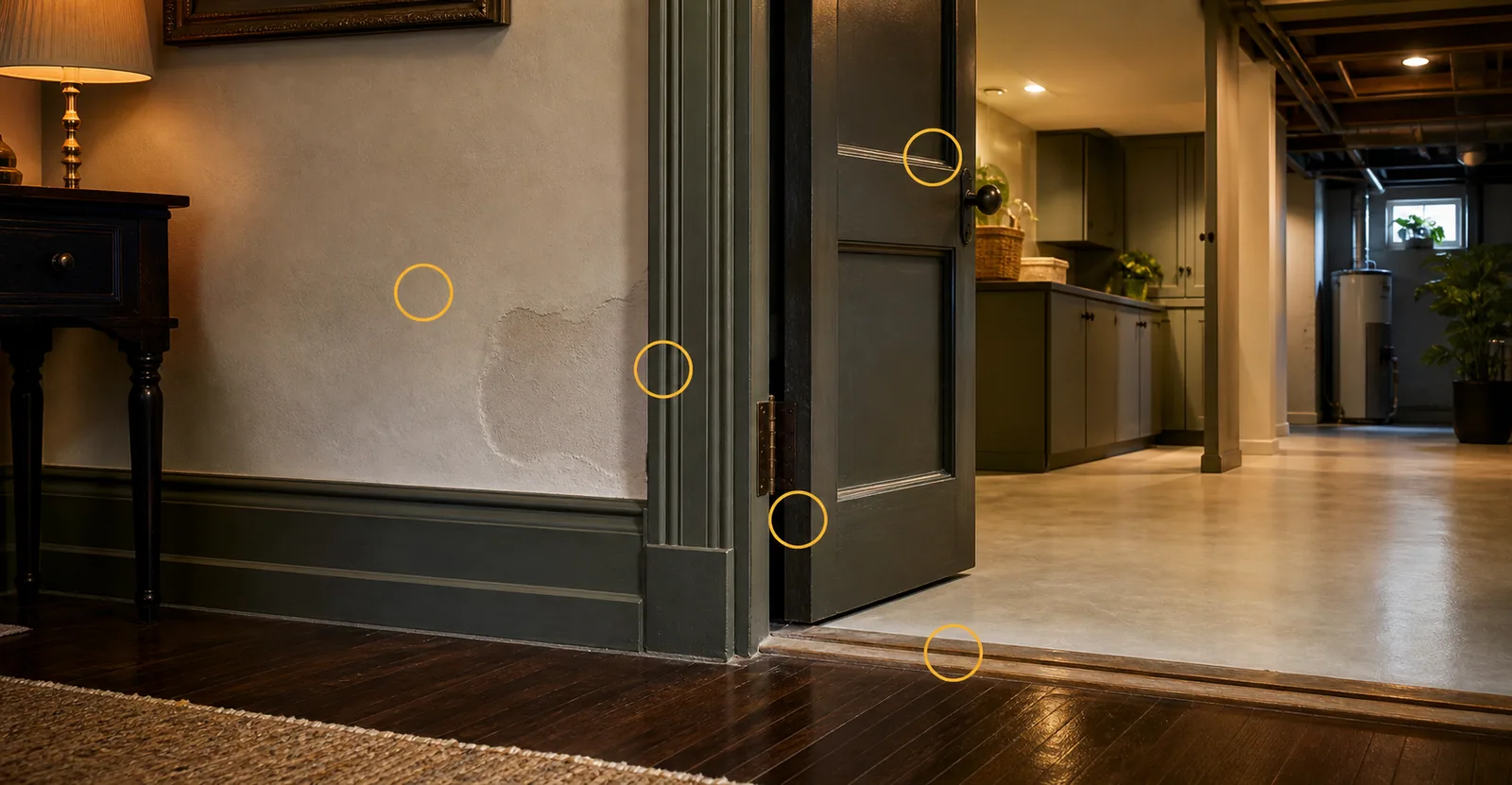
Material and previous-work check
Older materials and updated spaces can change the repair scope
Freeport homes may combine original construction details with improvements completed at different times. Plaster, layered paint, earlier patches, and nonstandard trim profiles can affect how a localized repair fits and how closely the surrounding finish can be coordinated.
Basement updates, utility-area improvements, replacement flooring, and newer hardware can also change clearances, mounting points, and material transitions. Showing the visible issue with the adjoining surfaces helps HammerNest review the complete condition without treating older materials as a problem by themselves.
Plaster, paint, and earlier patches
Plaster walls, multiple paint layers, and previous repairs can differ from newer drywall in thickness, texture, and surface buildup. Include photos showing patch edges, cracks, transitions, and the surrounding finish.
Trim profiles and aged finishes
Older casing, baseboards, and molding may use profiles or dimensions that are no longer common. New material may fit functionally without matching the existing wood, paint, or finish exactly.
Hinges, handles, and cabinet hardware
Worn or discontinued hinges, handles, pulls, and cabinet hardware may have uncommon spacing, mounting patterns, or dimensions that require closer compatibility review.
Basements and utility areas
Basement walls, doors, trim, and utility-area finishes may show moisture marks, earlier repairs, or changes from previous improvements. Photograph the complete area and any visible surface conditions.
Flooring and remodeling transitions
New flooring can raise thresholds, reduce door clearance, and expose unfinished edges or old paint lines. Remodels may also leave unmatched casing, abandoned holes, or altered mounting points.
Layered filler, caulk, and anchors
Repeated caulk, filler, anchors, and previous repairs may conceal stripped mounting points, loose backing, softened material, or surfaces that need a wider review than the visible issue suggests.
Original materials and later improvements can meet within the same Freeport home. Previous repairs, hardware compatibility, flooring changes, and finish transitions can affect the practical scope, and replacement parts may not perfectly match aged wood, paint, trim, or hardware.
Send wide photos, close-ups, material details, basement or utility-area conditions, remodeling context, and any available matching parts so HammerNest can review the residential repair scope.
Exterior and garage repair scope
Exterior and garage repairs can be included in the same request
Freeport residential properties may include porches, decks, fenced yards, attached garages, detached garages, and exterior entry areas with several localized maintenance concerns. These items can be submitted with interior repairs when each condition is clearly photographed and remains within practical handyman scope.
Exterior requests should show the damaged component, surrounding material, weather exposure, and access route. Street, driveway, or alley parking, gates, landscaping, vehicles, stored materials, seasonal wear, and uneven approaches can affect how the area is reached and reviewed.
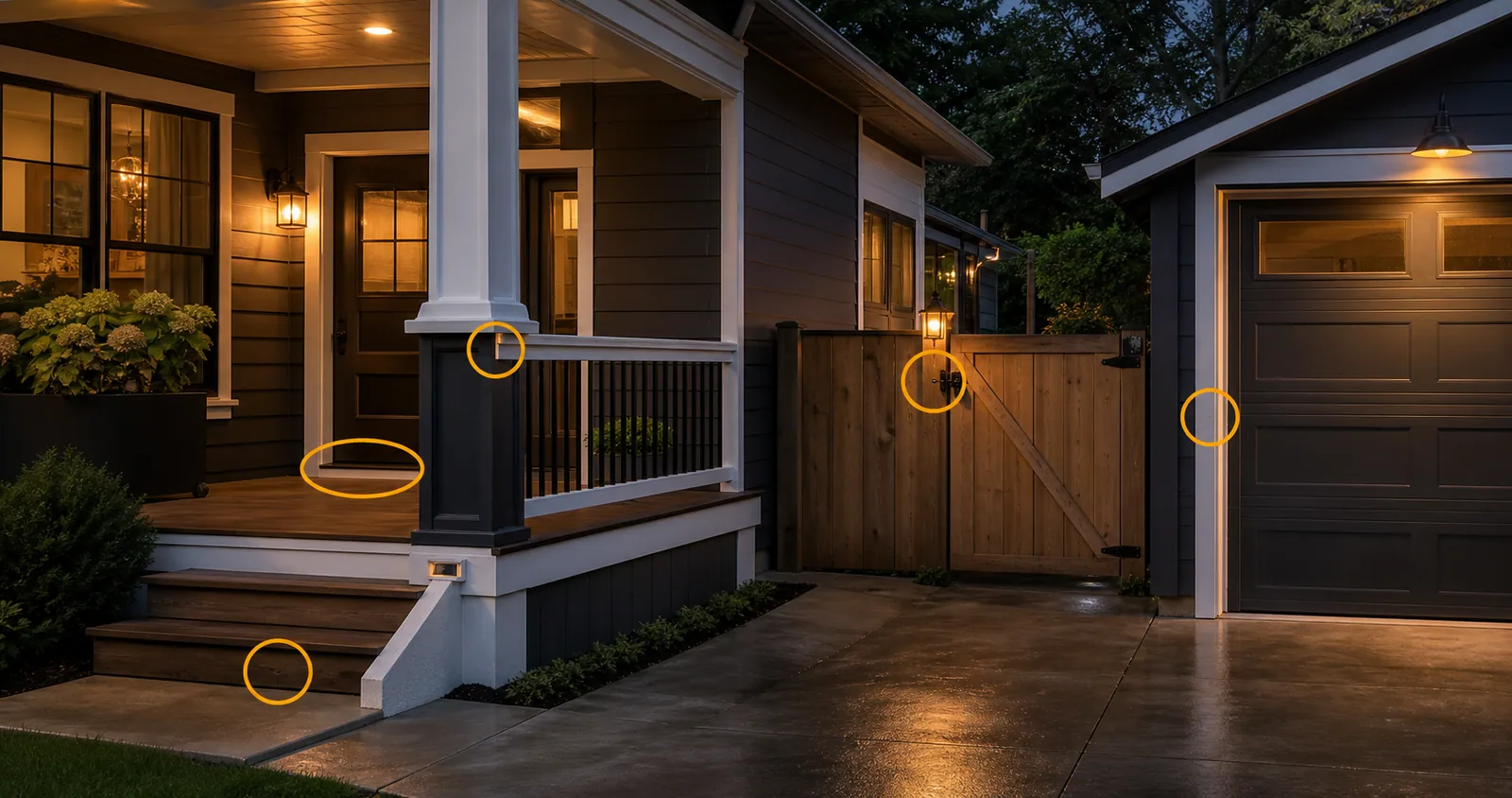
Porch trim, thresholds, and step edges
Loose porch trim, worn thresholds, damaged step edges, and movement in short railing sections should be shown with the entry door, porch surface, adjoining materials, and complete affected area.
Deck boards, fascia, and lattice
Localized loose boards, damaged fascia, separated lattice, and small perimeter concerns should be photographed with the adjoining deck surface and surrounding section.
Fence gates and hardware
Gates that drag, fail to latch, or have loose hinges can be reviewed with the posts, latch side, adjoining panel, and visible mounting hardware.
Attached-garage entry details
Garage-entry doors, worn thresholds, loose trim, shelving, hooks, and wall hardware should be documented with the surrounding wall, floor, doorway, and route from the home.
Detached-garage details
Detached-garage doors, trim, shelving, hooks, and localized interior wall concerns can be included with wide photos showing the complete area and exterior access path.
Exterior seals and mounted fixtures
Failed caulk, worn weatherstripping, loose house-number hardware, hooks, and small exterior fixtures should be shown with the supporting trim, masonry, siding, or other surface.
Parking, access, and seasonal wear
Show street, driveway, or alley parking, gates, landscaping, vehicles, stored materials, uneven ground, and freeze-thaw or wet-weather wear affecting entries, steps, deck edges, fences, or garage approaches.
Localized Freeport exterior requests can involve porches, decks, fenced yards, attached garages, detached garages, and weather-exposed entry areas. Structural instability, widespread rot, roofing concerns, major siding replacement, large deck or fence projects, extensive exterior water intrusion, commercial shops, and specialty access-control systems may require another provider or a broader project plan.
Send wide property photos, close-up damage, measurements, parking and access details, seasonal-condition notes, and any owner-supplied hardware so HammerNest can review the practical residential scope.
Short mixed repair lists
One repair or several small jobs can be reviewed together
Freeport homeowners and property managers can submit one focused repair or a short mixed list from the same residential property. Grouping the items provides useful context, but each job still needs separate photos, measurements, surface details, part information, parking notes, and access details because different materials and conditions may require different repair approaches.
Exterior door and weatherstripping
A sticking exterior door can be submitted with worn weatherstripping when the hinges, threshold, perimeter gaps, surrounding trim, and complete doorway are photographed together.
Drywall and removed shelving
A drywall hole can be reviewed with anchors, brackets, paint outlines, and other damage left after shelving hardware or stored belongings are removed.
Cabinet hinge and drawer slide
A loose cabinet hinge and drawer-slide concern can be included in the same request, but each mounting point, damaged surface, and replacement component should be documented separately.
Porch trim and gate latch
Loose porch trim can be submitted with a gate latch or hinge concern when the supporting material, nearby posts, visible hardware, and exterior access area are shown clearly.
Sink caulk and cabinet trim
Failed sink caulk can be included with swollen cabinet trim when the complete joint, affected material, and any visible moisture, staining, or softness are documented.
Garage shelving and wall repair
Garage shelving and a nearby wall repair can be reviewed together with mounting-point photos, wall measurements, product details, stored-item conditions, parking information, and garage access notes.
Submitting several small jobs together does not create a formal punch list or guarantee one appointment, repair method, package price, completion schedule, or outcome.
Share separate photos, measurements, surface conditions, owner-supplied parts, parking details, and access notes for each item so HammerNest can review the complete residential request.
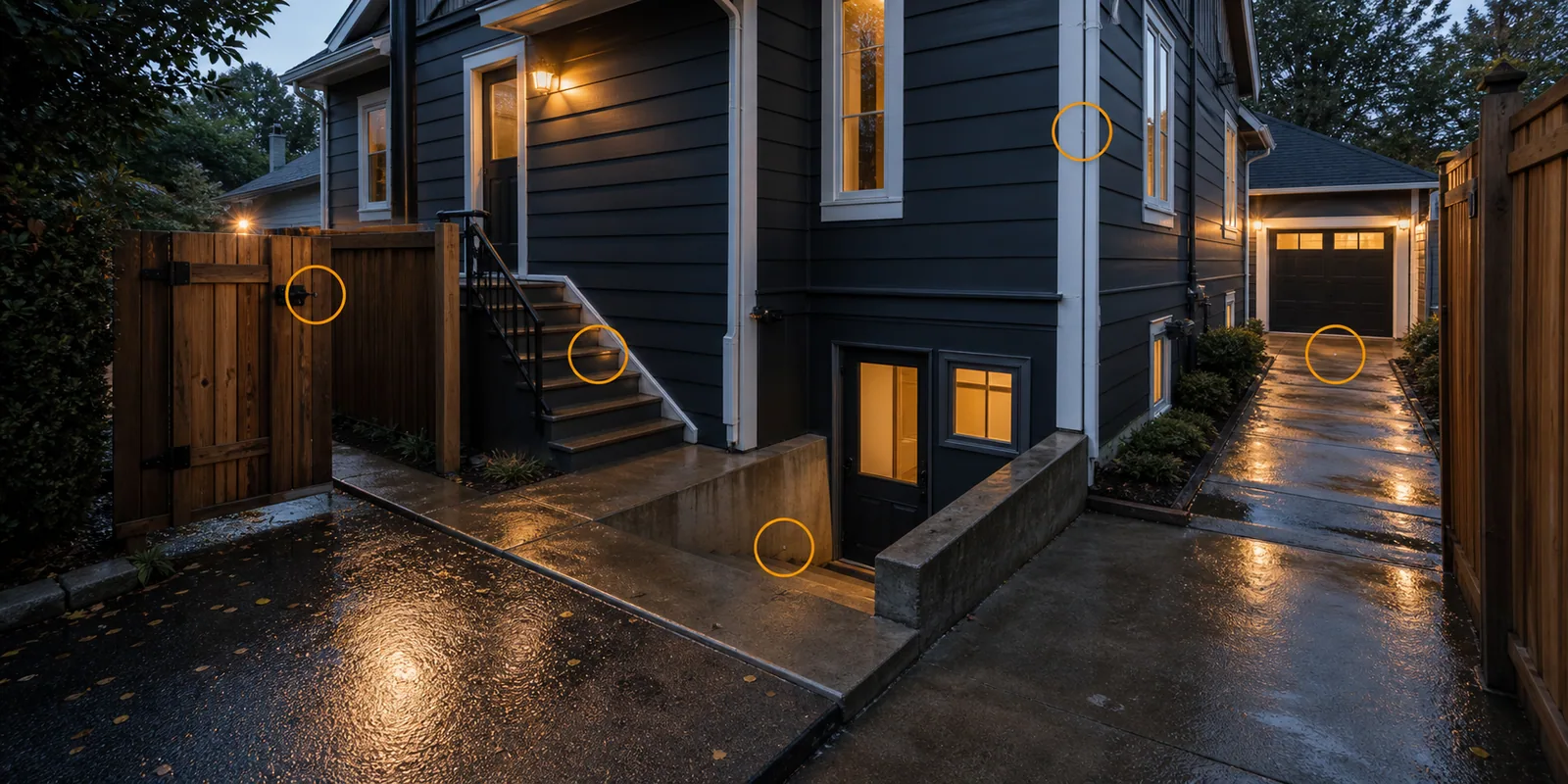
Property access and seasonal context
Property access and seasonal conditions help define the request
Freeport properties may sit along denser residential streets, within subdivisions, or on lots reached by a driveway or alley. Parking conditions, gates, stairs, narrow passages, and front, side, rear, basement, or garage entry routes can affect how the repair area is reached.
Seasonal movement, moisture exposure, and previous repairs can also change a straightforward-looking concern. Include the property layout, current access conditions, available utilities, and surrounding materials so HammerNest can review the complete residential setting and practical scope.
Property setting and parking
Note whether the home is on a denser residential street, within a subdivision, or reached by a driveway or alley. Describe available street, driveway, alley, shared, or limited parking.
Entry routes and confined access
Show front, side, rear, basement, and garage entry routes, along with gates, exterior stairs, narrow passages, low clearances, or other access limitations.
Repair areas and occupancy
Identify whether the request involves an interior room, basement, porch, deck, fenced yard, attached garage, detached garage, or exterior area. Explain whether the property is occupied, vacant, furnished, or partially cleared.
Obstacles around the repair area
Note pets, vehicles, landscaping, appliances, furniture, equipment, stored items, or ongoing work that may block the repair location or the path leading to it.
Lighting, water, and power
Confirm whether normal lighting, water, and power are available when relevant to the requested work. Mention locked spaces, keys, gate instructions, and any temporary utility limitations.
Seasonal movement and moisture conditions
Document doors that shift with temperature or humidity, reopened trim or caulk joints, moisture near basements, entries, sinks, windows, or exterior walls, and freeze-thaw wear around thresholds, steps, decks, fences, and railings. Include corroded hardware, swollen materials, or previous repairs concealed beneath trim, filler, or caulk.
Freeport repair requests may involve street, driveway, or alley parking, multiple entry routes, lower-level spaces, seasonal movement, and weather-exposed materials. Service availability depends on the actual address, repair scope, parking and access conditions, route suitability, and schedule rather than automatic coverage or a fixed travel window.
Share the address, property setting, parking and entry conditions, occupancy status, available utilities, seasonal changes, moisture concerns, and repair-area photos so HammerNest can review the practical residential scope.
Estimate factors and scope boundaries
What affects a Freeport handyman estimate and when the scope may need another provider
A Freeport handyman estimate depends on the number and variety of repairs, where each item is located, the materials and surfaces involved, and how easily the area can be reached. Moisture, movement, previous repairs, missing parts, and access conditions can also make a straightforward-looking request more involved.
Freeport requests may connect naturally with nearby HammerNest service coverage around Winnebago, Pecatonica, Lena, Rockford, and other locations listed on the broader service-area page. Route suitability depends on the actual address, repair scope, parking and access conditions, and schedule rather than automatic coverage or a promised route.
Jobs
One focused repair differs from a mixed request involving drywall, doors, trim, cabinets, shelving, caulk, hardware, or exterior details. List each item separately so the number and variety of jobs remain clear.
Location
Interior rooms, basements, porches, decks, attached garages, detached garages, and exterior areas can involve different exposure, lighting, access, and working conditions.
Materials
Available parts, missing hardware, damaged components, discontinued products, and visibly unmatched replacements can affect the practical repair approach and finish expectations.
Surface
Drywall, plaster, wood, masonry, cabinet panels, and exterior trim respond differently to fasteners, moisture, movement, and previous damage. Include clear photos of the supporting surface around each repair.
Access
Street, driveway, or alley parking, gates, stairs, working height, furniture, pets, vehicles, appliances, equipment, and stored items can affect how each repair area is reached and reviewed.
Existing conditions
Moisture, failed patches, corrosion, movement, rot, softened materials, and previous repairs may indicate that the visible issue is only part of the condition. Document staining, separation, and earlier repair materials clearly.
New electrical work or troubleshooting; active plumbing leaks, valve or drain changes, and gas concerns; structural movement, unstable stairs or railings, and damaged framing; widespread moisture, mold concerns, rot, or soft materials; full remodeling, major flooring or cabinet replacement, and large exterior projects; and specialty glass, commercial hardware, access-control equipment, or manufacturer-controlled systems fall outside localized residential handyman scope and may require another provider.
Share the jobs, property location, materials, surfaces, parking and access details, existing conditions, and any broader concerns so HammerNest can review which items fit practical residential handyman service.
Service hub
Nearby service and repair paths.
These pages may fit Freeport repair requests, common small-job needs, same-week timing questions, and broader service-area context.
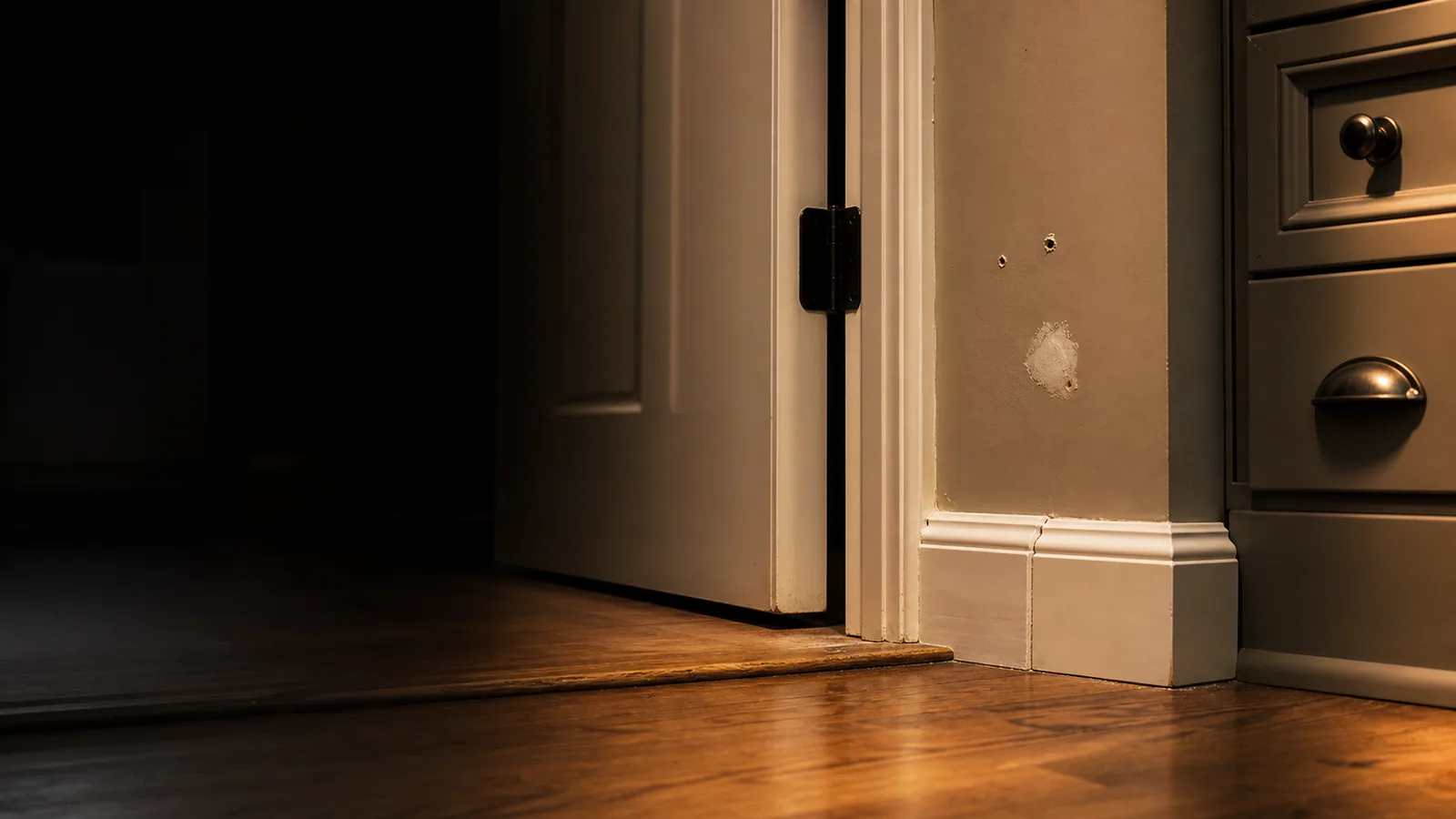 Home Repair Services in Freeport, ILRepair drywall, doors, trim, cabinets, flooring, caulking, and everyday home damage with HammerNest handyman help near Freeport, IL.View Service ->
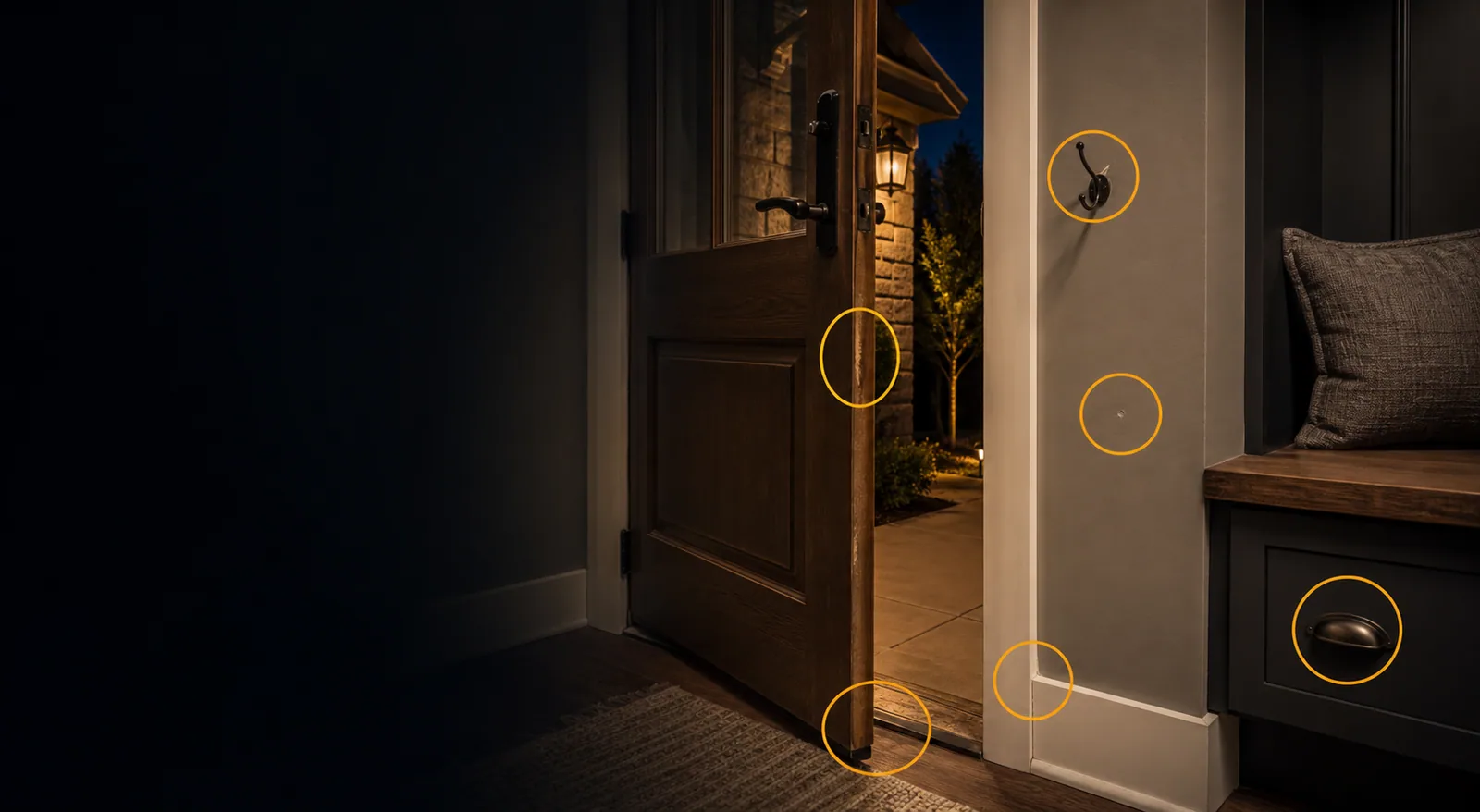 Same-Week Home Repairs in Freeport, ILNeed a time-sensitive home repair near Freeport? Send photos, urgency, and repair notes so HammerNest can review the next step.View Service ->
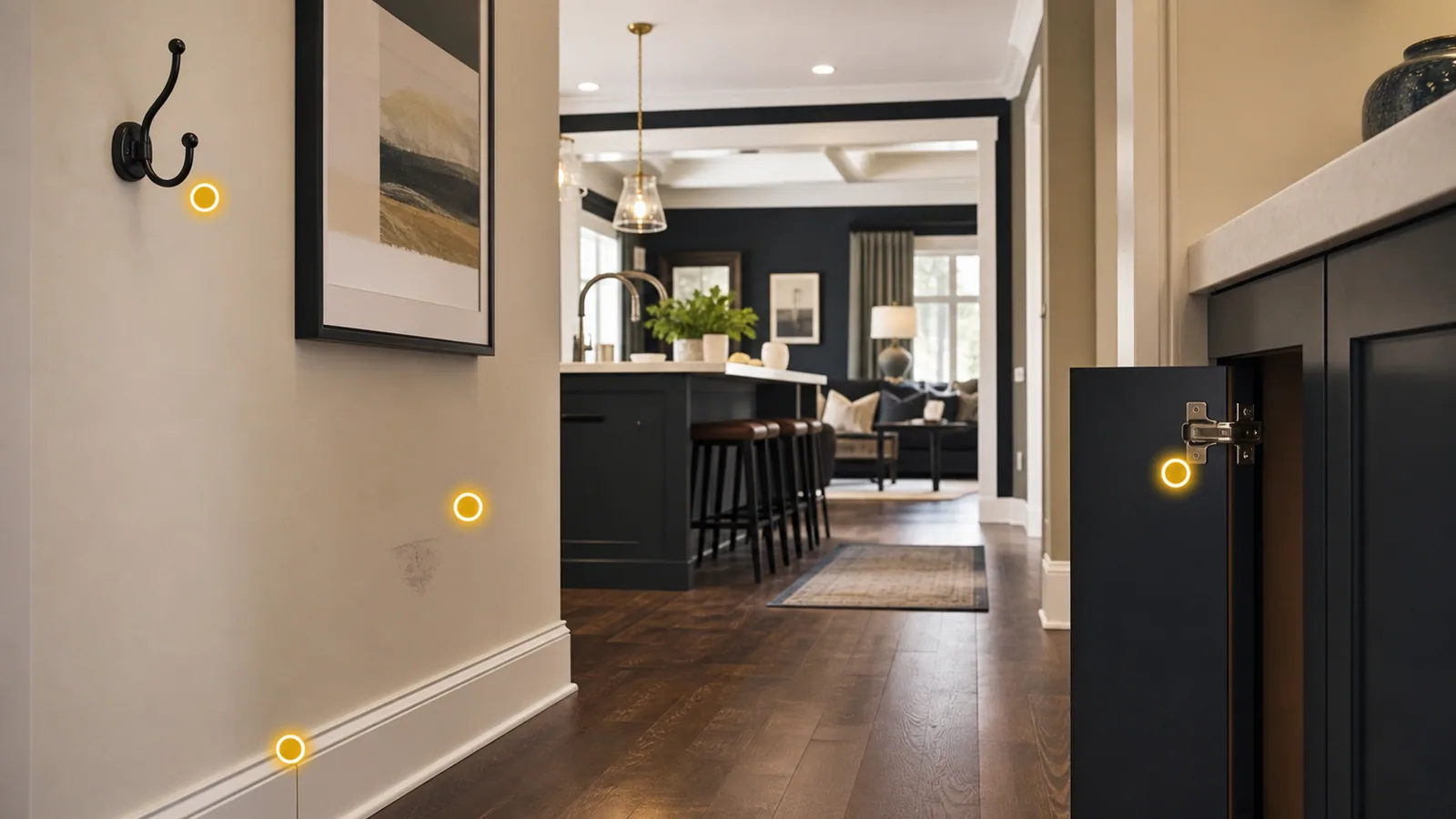 Handyman for Small JobsNeed a handyman for small jobs near Freeport? Group photos, notes, and timing into one request for practical punch-list review.View Service ->
 Request EstimateSend photos, timing, property details, and repair notes so HammerNest can review your handyman request before the next step.View Service ->


 Not sure if we cover your area?


