
Handyman for Small Jobs
HammerNest helps Freeport-area homeowners request one small repair or a short mixed list with clear photos, parts, access notes, and practical boundaries.
Fast response. Quality work. Fair pricing.
Small-job handyman help
Small handyman jobs for homes in Freeport, IL
HammerNest reviews one to several practical home repairs for homeowners, landlords, and property managers around Freeport, IL. These requests are often too specific for a renovation contractor but too important to keep putting off.
Small-job help can include loose hardware, sticking doors, small drywall damage, damaged trim, shelving, cabinet adjustments, fixture mounting, caulk, thresholds, and similar items in bedrooms, bathrooms, kitchens, entries, basements, garages, and rental homes.
One nagging repair
A single loose handle, wall hole, sticking door, shelf issue, or trim concern can be submitted when the item and surrounding surface are shown clearly.
A short mixed list
Two or three unrelated small jobs can be reviewed together without turning the request into a formal room-by-room punch list.
Everyday home upkeep
Small repairs around entries, kitchens, bathrooms, bedrooms, closets, basements, garages, and rental homes can often share one request.
Surface context
The visible item and the wall, trim, door, cabinet, tile, or other material supporting it should be documented together.
Clear boundaries
Small handyman jobs should be separated from major remodels, active leaks, new wiring, structural work, or specialty systems.
This page is for one small repair or a short mixed list, not a formal whole-home punch list.
Share the item, location, photos, supplied parts, access notes, and whether there are a few related items to review.
Project intake checklist
What to send with a small-job handyman request
A few clear photos and basic details help show what each job involves, what surface or product is affected, and whether any parts are already on hand. Phone photos are enough when they show the item and surrounding area clearly.
For each small job, send one wide photo, one or two close-ups, and a short description of what is loose, damaged, missing, rubbing, leaking at the surface, or not working correctly. Add access notes so the request can be reviewed without guessing.
Wide photo
Show the item in the room with surrounding wall, floor, cabinet, trim, fixture, furniture, or doorway context.
Close-up photos
Capture the loose hardware, damaged edge, wall opening, failed caulk, mounting point, hinge, bracket, or surface condition.
Short description
Explain what happens during normal use: loose, rubbing, rattling, missing, cracked, separated, sagging, or not staying in place.
Parts and products
Include product links, packaging, model numbers, instructions, dimensions, and all owner-supplied parts.
Access notes
Mention furniture, stairs, pets, parking, occupied rooms, exterior access, tall walls, and preferred timing as context.
Small-job requests do not need formal room numbering when there are only one or two items, but each item still needs a clear photo and location.
Include one wide view, close-ups, a short symptom note, supplied parts, measurements when helpful, and access context.
How it works
How the small-job request works.
A simple flow from a few photos to practical follow-up.
- Send repair detailsShare photos, location, urgency, and the best way to reach you.
- Upload photos if helpfulWide and close-up photos make the first review clearer.
- Choose call or text follow-upTell us how you prefer to handle the next step.
- Get the next stepIf the job fits, timing, materials, and the repair plan are confirmed.


Short mixed list
One small repair or a short mixed list can be reviewed together
HammerNest can review a single nagging repair or a short list of unrelated small jobs when each item is shown clearly. The request should stay focused on what needs attention and the surface or product supporting it.
A short mixed list may include small drywall, loose hardware, cabinet adjustments, mounted items, trim, caulk, thresholds, or minor assembly. Grouping a few items can make the request easier without turning it into a full punch list.
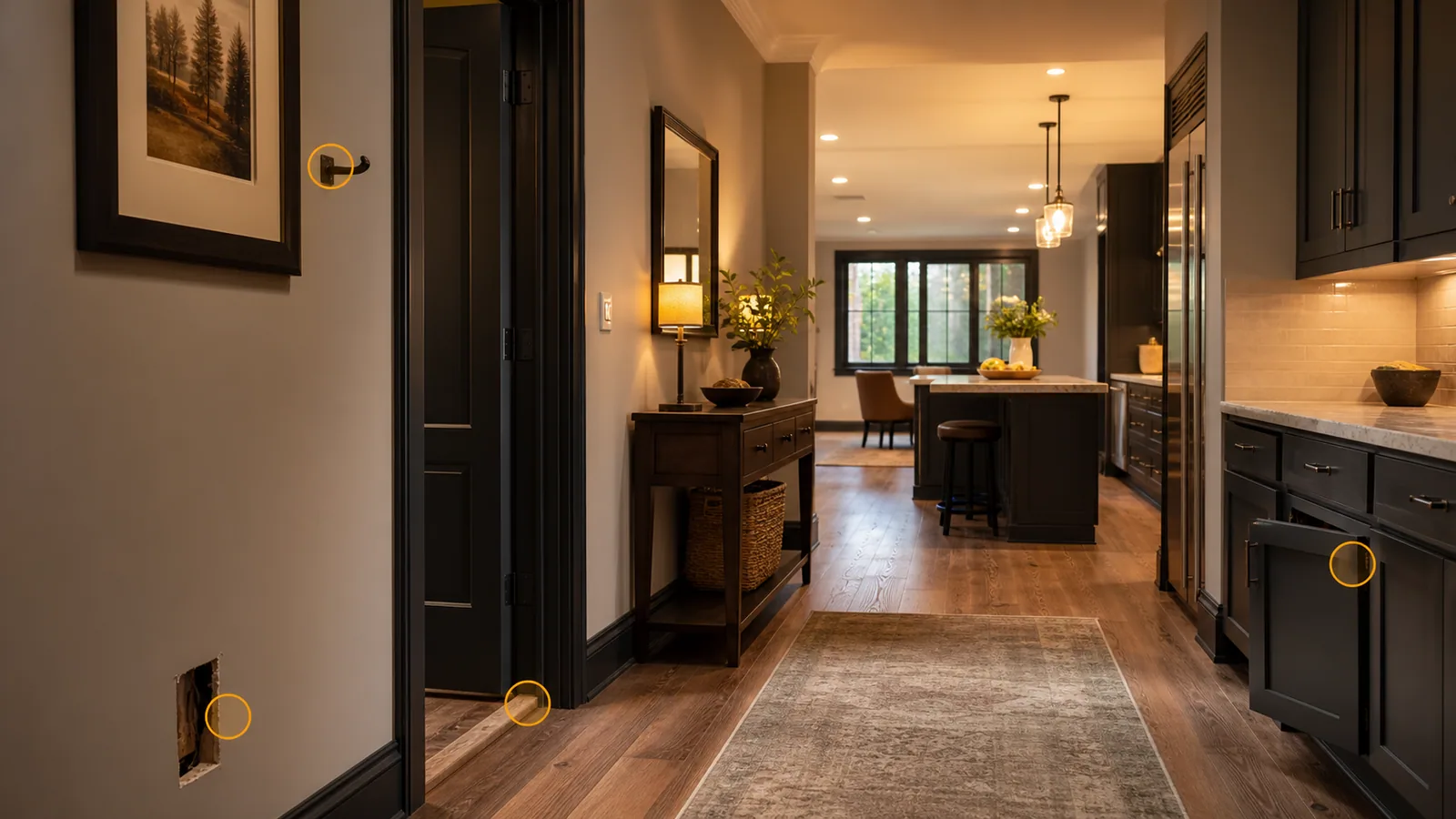
Drywall and wall marks
Small holes, failed patches, removed hardware, and scuffed wall areas should be shown with surrounding wall context.
Doors and hardware
Sticking doors, loose handles, rubbing edges, shifted strike plates, and small hardware issues should include open and closed views.
Cabinets and drawers
Loose hinges, drawer slides, pulls, shelf pins, and cabinet-door alignment should be photographed with the door or drawer open.
Mounted items
Shelving, hooks, mirrors, curtain hardware, towel bars, and small fixtures should be shown with the mounting surface visible.
Trim, caulk, and edges
Separated trim, failed caulk, thresholds, and unfinished edges should include both close-ups and wider room photos.
The visible item and the supporting surface usually need to be reviewed together before the small job is clear.
Show each item, room, close-up condition, supporting surface, supplied parts, and access details in one request.
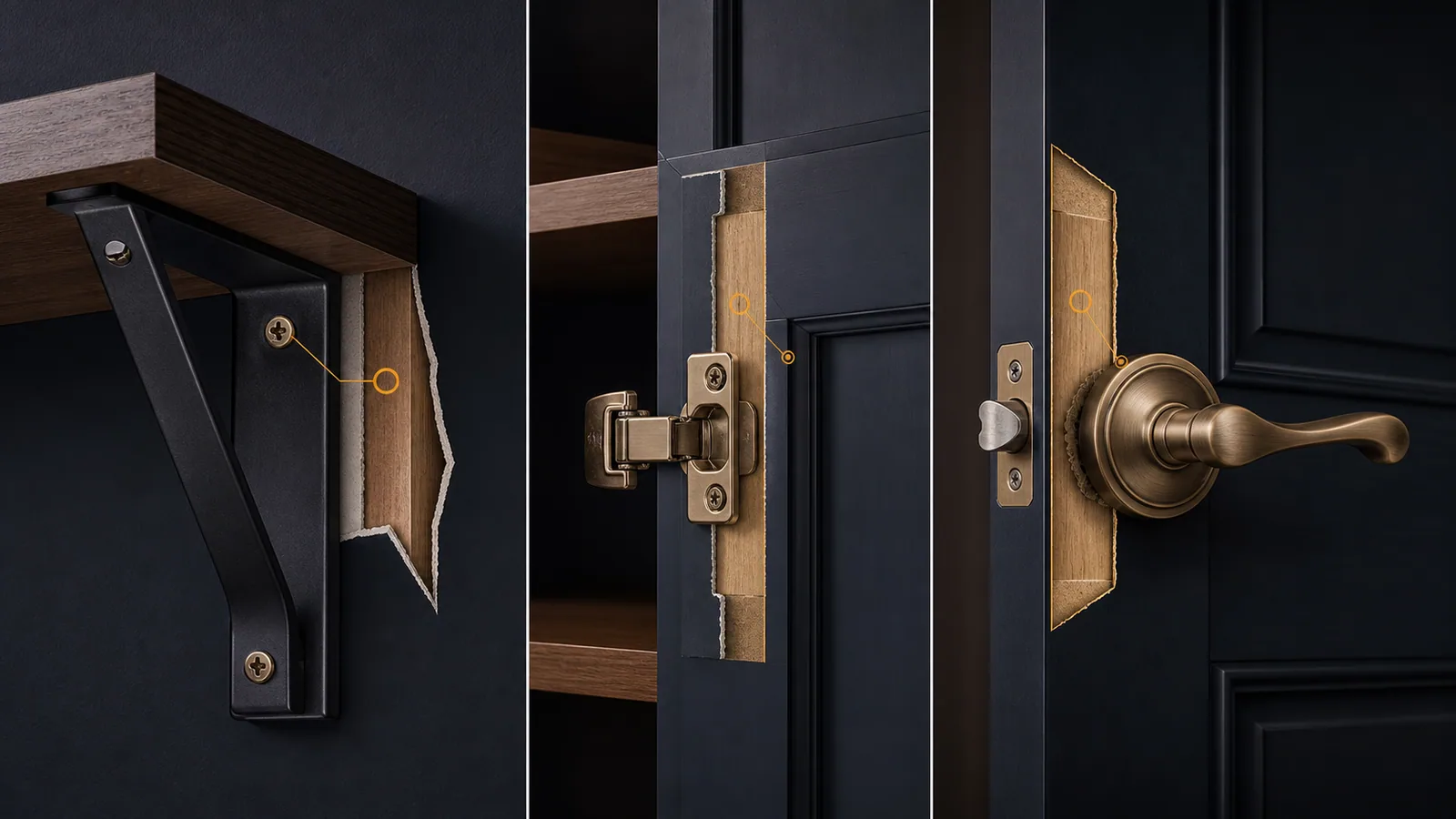
Mounting surface check
Small hardware problems can start in the surface behind them
Loose shelves, hooks, hinges, handles, towel bars, curtain hardware, and small fixtures may be failing because the surface behind them is damaged or no longer holding well.
Stripped holes, cracked drywall, split wood, softened cabinet material, old filler, or incompatible replacement parts can change the next step. Photos should show both the loose item and the wall, trim, door, or cabinet supporting it.
Wall-mounted items
Hooks, shelves, mirrors, curtain rods, and towel bars should be photographed with the full surface and surrounding holes visible.
Cabinet mounting
Hinges, pulls, slides, and shelf pins may depend on the condition of face frames, side panels, door material, and old screw holes.
Door hardware
Handles, hinges, and strike plates can loosen when the mounting material is split, stripped, enlarged, or misaligned.
Surface material
Drywall, plaster, wood, tile, masonry, trim, cabinets, and hollow doors each require different review before the scope is clear.
Previous repairs
Old anchors, filler, extra holes, mismatched screws, or patched surfaces should be shown before assuming a small reset will hold.
Photos should document the condition without drilling, removing parts, or opening surfaces for the request.
Send the loose item, surrounding surface, old holes, backing condition if visible, and any replacement hardware.
Parts and product fit
Replacement parts and products need to match the existing setup
Hinges, handles, brackets, shelf hardware, fixtures, trim, and other replacement parts can look similar without fitting the existing setup. Dimensions, screw spacing, finish, material, and mounting style all matter.
Owner-supplied parts should be kept together with packaging, instructions, links, model numbers, and any included fasteners. New materials may also look different beside aged paint, trim, cabinets, flooring, or hardware finishes.

Hardware dimensions
Hinges, handles, pulls, hooks, brackets, and towel bars should match size, spacing, finish, and mounting pattern.
Product instructions
Include instructions, templates, product links, model numbers, packaging, and receipts when available.
Fasteners and pieces
Keep screws, anchors, spacers, plates, caps, brackets, and small parts grouped together so nothing is missing from the request.
Finish matching
Paint, trim profiles, caulk colors, cabinet hardware, flooring pieces, and aged surfaces may not match new materials perfectly.
Fit before install
A part that appears close may still be incompatible with the existing hole pattern, surface, door thickness, cabinet style, or fixture design.
Send supplied parts before the visit is planned so fit, missing pieces, and finish expectations can be reviewed.
Share photos of every part, packaging, model number, instruction sheet, product link, and existing mounting area.
Access and readiness
Clear access helps small jobs stay clearly scoped
Small repairs are easier to review when the item, mounting surface, and surrounding area can be seen clearly. Furniture, appliances, stored items, tall walls, stairways, narrow rooms, exterior access, and normal lighting can all affect the request.
Several items can be submitted together, but one list does not automatically mean every task fits one appointment or uses the same repair method. Access details help keep the scope practical.
Clear work area
Show whether furniture, appliances, boxes, curtains, shelving, or stored items block the repair area.
Height and reach
Tall walls, stairways, vaulted areas, garage ceilings, and exterior locations should be shown in wide photos.
Utilities and lighting
Share whether normal power, water, heat, and lighting are available when the job needs them for review.
Supplied parts together
Keep owner-supplied parts, hardware, instructions, and fasteners in one labeled place.
Property access
Mention parking, entry instructions, pets, occupied rooms, exterior gates, lockbox details, and preferred timing as context.
Access and timing details are planning context, not scheduling guarantees.
Include blocked areas, height, furniture, utilities, supplied parts, parking, entry, pets, and occupancy notes.
Estimate factors
What affects a handyman-for-small-jobs estimate
The scope depends on how many jobs are included, how different the tasks are, where they are located, and whether parts or materials are ready. A single cabinet hinge is different from a shelf bracket, drywall opening, trim edge, and exterior threshold in one request.
Existing conditions matter too. Failed previous repairs, stripped holes, moisture, damaged surfaces, missing parts, blocked access, and finish expectations can all change how a small job is reviewed.
Jobs
The number and variety of small tasks affects how the request is reviewed.
Location
Rooms, stairs, exterior areas, ceiling height, garages, basements, and narrow spaces can change access.
Materials
Owner-supplied parts, missing pieces, matching paint, trim, caulk, or hardware may affect scope.
Mounting surface
Drywall, plaster, wood, tile, masonry, cabinets, trim, and hollow doors each need different context.
Access
Furniture, appliances, stored items, occupancy, pets, parking, and entry details can affect planning.
Existing conditions
Old repairs, stripped holes, moisture, swelling, cracks, softness, or damaged surfaces can expand the request.
Functional repair, paint-ready preparation, cosmetic matching, and product installation should be separated before the request is reviewed.
Include job count, locations, photos, parts, surfaces, access, existing conditions, and finish expectations.
Project boundaries
When a small repair may need a different provider or larger scope
Some requests reveal conditions beyond a localized handyman repair. New utility work, active leaks, structural movement, widespread moisture, major material failure, or specialty systems should be separated from normal small-job help.
The remaining localized items can still be submitted in the same request when each concern is clearly documented and broader issues are flagged separately.
Small jobs outside localized handyman review
Electrical-system work
New wiring, device replacement, circuit troubleshooting, panel concerns, or hardwired changes need a different provider or plan.
Plumbing-system concerns
Active leaks, valves, drains, gas-related work, concealed plumbing, or fixture relocation should be separated.
Structural or safety concerns
Unstable stairs, major railing movement, framing damage, or visible structural movement needs broader review.
Moisture, mold, and rot
Soft materials, widespread staining, mold concerns, rot, or ongoing water intrusion should be handled before surface repair.
Large remodel scope
Full-room remodeling, large flooring projects, cabinet replacement, or broad finish changes are not the same as a small job.
Specialty systems
Commercial, manufacturer-controlled, custom-fabricated, access-control, or regulated systems may need another provider.
One submitted list does not guarantee every small job uses the same repair method or fits one appointment.
Share each localized repair item and flag any utility, structural, active water, or specialty concern separately.
Service hub
Related small-job repair paths.
These pages may fit the same loose hardware, wall repair, cabinet, door, trim, mounting, caulk, or small repair request.
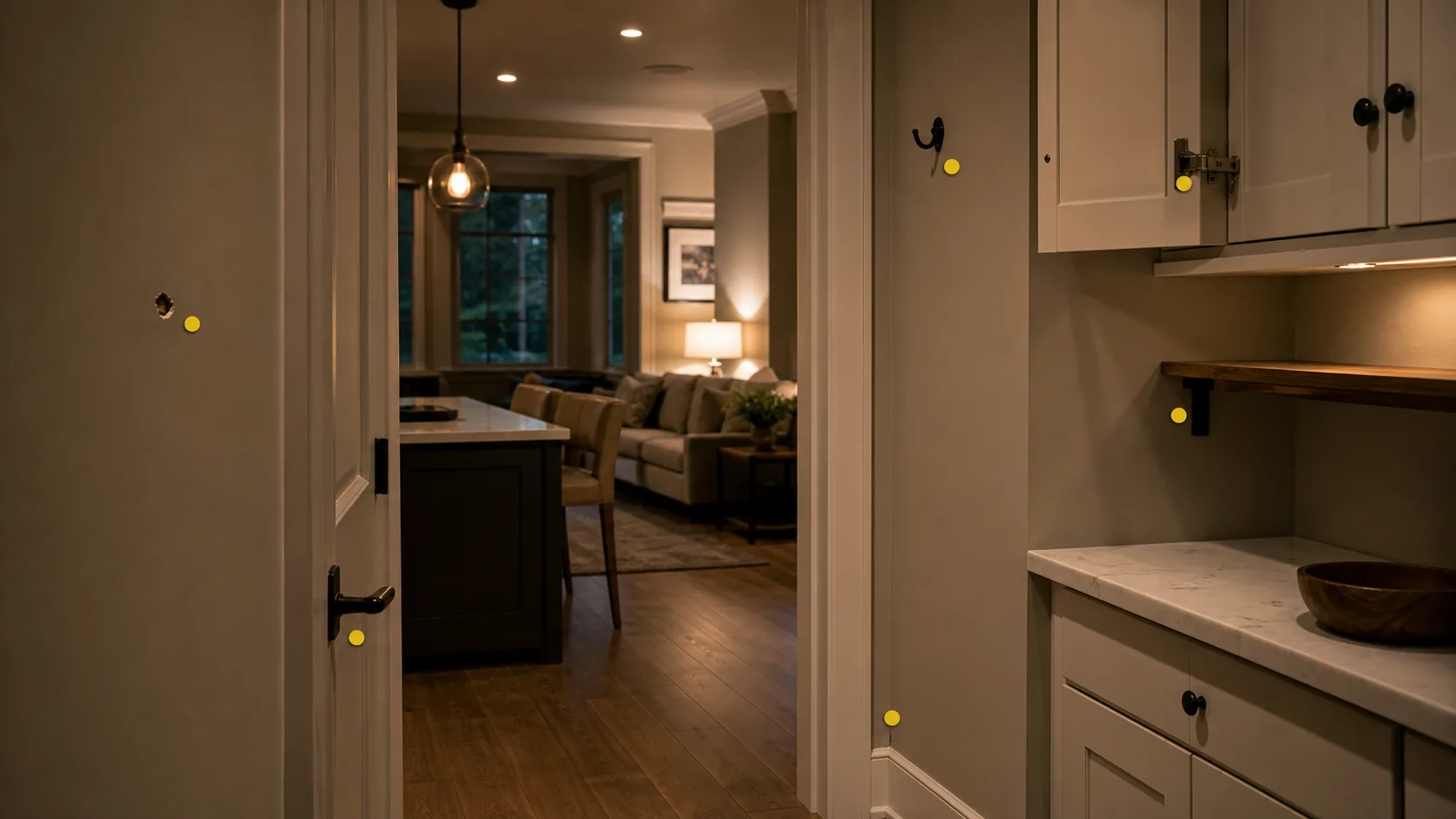 Punch List RepairsNeed punch list repairs in Freeport, IL? HammerNest reviews photos, scope, materials, and timing for practical handyman help nearby.View Service ->
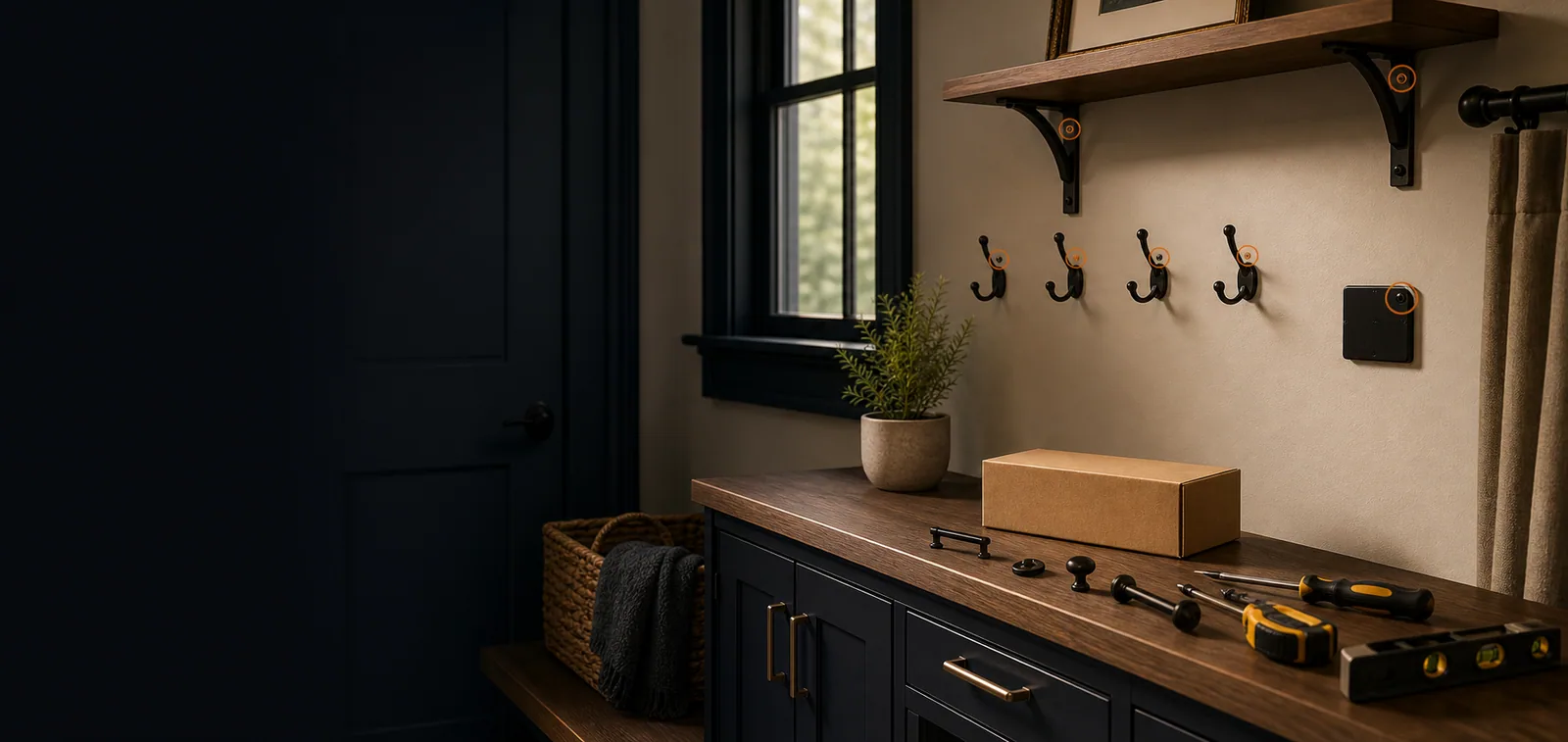 Fixture & Hardware Installation in Freeport, ILInstall curtain rods, blinds, bathroom accessories, hooks, organizers, cabinet handles, and small wall fixtures near Freeport, IL.View Service ->
 Door RepairNeed door repair in Freeport, IL? HammerNest reviews photos, scope, materials, and timing for practical handyman help nearby.View Service ->
 Request EstimateSend photos, timing, property details, and repair notes so HammerNest can review your handyman request before the next step.View Service ->


 Not sure if we cover your area?


