
Fix a Hole in Drywall
HammerNest helps homeowners around Freeport, IL review drywall holes from impacts, removed anchors, failed patches, access openings, and small ceiling damage.
Fast response. Quality work. Fair pricing.
Localized drywall repair
Drywall hole repair for common wall damage in Freeport, IL
HammerNest reviews localized drywall holes in Freeport, IL caused by impacts, removed anchors, wall-mounted hardware, access work, failed patches, and everyday damage in finished rooms.
The opening size, drywall thickness, edge condition, available backing, surrounding wall condition, texture, and finish expectations should be reviewed together before the repair path is clear.
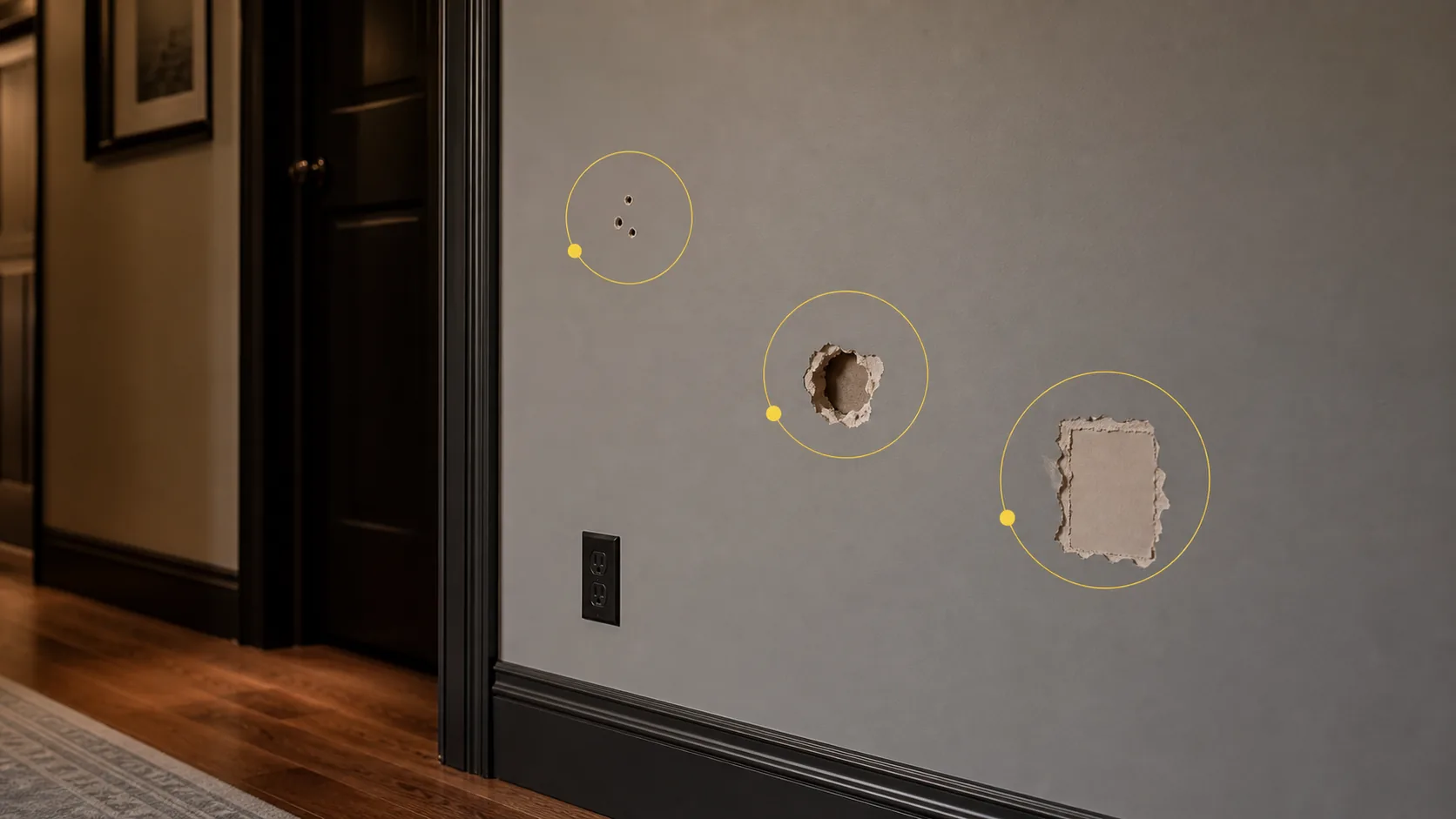
Impact holes
Door handles, furniture, moving damage, accidents, and everyday wear can leave openings with crushed edges or torn paper.
Anchor and screw holes
Shelves, televisions, mirrors, curtain hardware, towel bars, and mounted fixtures can leave clusters of small or enlarged holes.
Removed fixture openings
Access panels, vents, brackets, outdated devices, and wall-mounted products can leave openings that need the surrounding condition reviewed.
Failed patches
Raised, cracked, soft, sunken, visible, or separated older patches may involve more area than the center of the old repair.
Walls and ceilings
Bedrooms, hallways, living rooms, garages, finished basements, rental properties, and ceiling openings should be documented with their full surroundings.
Send every damaged area in one request so nearby holes, failed patches, texture, paint, and access conditions can be reviewed together.
Share wide photos, close-ups, measurements, cause, finish expectations, and any concerns about moisture or hidden damage.
Project intake checklist
What to send with your drywall hole repair request
Clear photos and a few basic measurements help show the opening size, edge condition, wall or ceiling finish, access, and whether hidden concerns should be separated before patching.
Full wall or ceiling view
Take one wide photo showing the complete wall or ceiling plus nearby trim, doors, windows, cabinets, outlets, fixtures, and furniture.
Close-up edge views
Send straight-on and angled close-ups showing the hole, torn paper, cracked edges, failed filler, exposed backing, or surrounding damage.
Measurements and count
Provide approximate width and height for each opening and count the total damaged areas. Include a tape measure or familiar object for scale when useful.
Texture and paint details
Note whether the surface is smooth, orange-peel, knockdown, textured ceiling, painted drywall, older plaster-like finish, or unknown.
Cause and access details
Explain what created the opening and mention ceiling height, stairways, heavy furniture, cabinets, or nearby wiring, plumbing, ductwork, moisture, or fixtures.
Do not enlarge the hole, remove more wall material, or open covers for photos. Show the visible condition and the surrounding area as it is.
Gather the wide view, close-ups, rough dimensions, cause, texture, access details, and finish expectations before follow-up.
How it works
Narrow the drywall-hole scope before follow-up.
A measured opening and the full surrounding wall show whether the issue is isolated or part of a larger finish problem.
- Send repair detailsShare photos, location, urgency, and the best way to reach you.
- Upload photos if helpfulWide and close-up photos make the first review clearer.
- Choose call or text follow-upTell us how you prefer to handle the next step.
- Get the next stepIf the job fits, timing, materials, and the repair plan are confirmed.


Opening and edge check
The opening and surrounding edges determine what should be reviewed
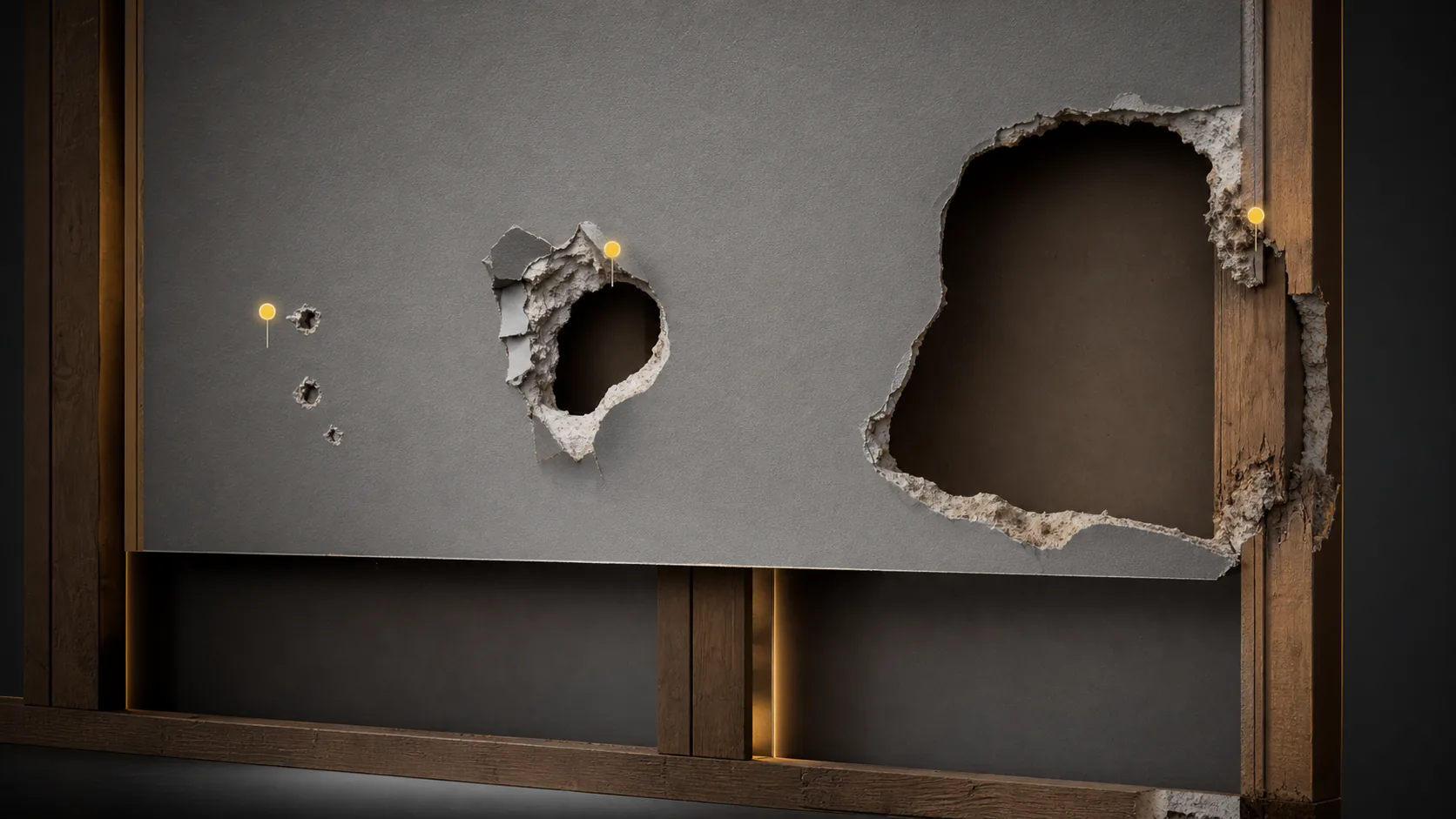
A few small anchor holes are different from an irregular impact opening with crushed drywall and torn paper. The size, shape, edge strength, and nearby wall features affect how the damage should be reviewed.
A hole beside a stud, door frame, outlet, cabinet, or corner may have different backing conditions than one in the center of a wall, and several nearby holes may be better treated as one damaged area.
Size and shape
Small fastener holes, narrow cracks, medium impact openings, and larger irregular holes create different preparation and support needs.
Edge condition
Clean edges are different from crushed gypsum, torn paper, cracked corners, or damage spreading beyond the visible opening.
Backing location
Studs, framing, corners, door frames, outlets, and cabinets can change what support may exist around the opening.
Wall layers
Drywall thickness and layered wall assemblies may not be obvious from the room side. Side-view photos help show depth and edge condition.
Connected damage
Openings that flex, crumble, or continue cracking may involve more surrounding material than expected.
Show the full damaged area before assuming several holes are separate tiny repairs.
Send straight-on and side views, rough dimensions, nearby wall features, and any cracking, softness, or edge movement.
Removed hardware and patch check
Removed fixtures and failed patches can leave more than a simple hole
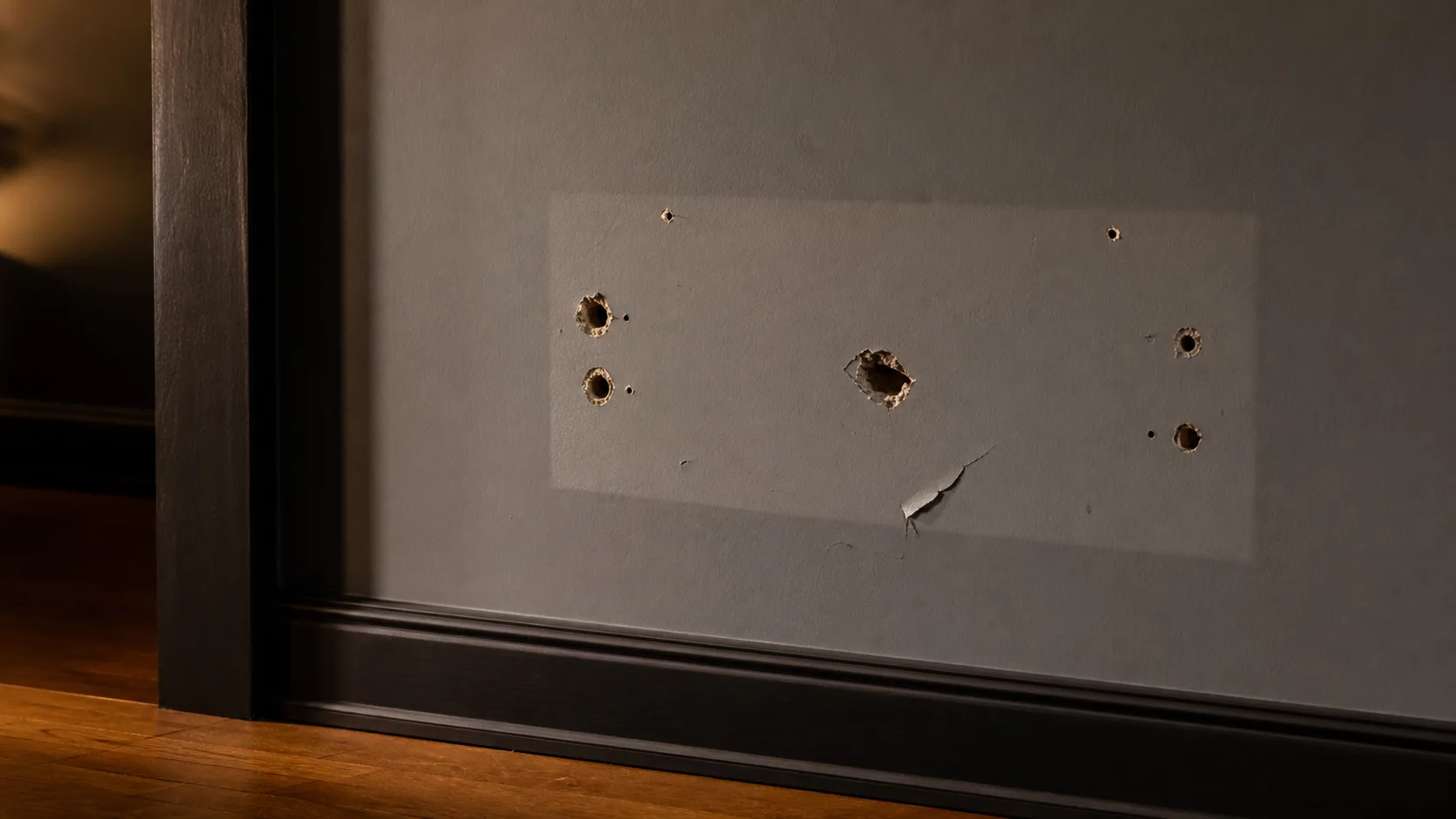
Shelves, televisions, mirrors, curtain hardware, vents, brackets, and other mounted items can leave enlarged anchor holes, paint outlines, loose paper, and damaged backing around the former attachment points.
Previous patches that remain raised, sunken, cracked, soft, mismatched, or visible under paint may need to be reviewed as a finish area rather than just a single hole.
Anchor pull-through
Enlarged or stripped holes can show where anchors pulled through or mounting hardware loosened over time.
Removed products
Openings left by vents, brackets, access panels, old devices, or abandoned wall-mounted products should be photographed with the full wall.
Failed patch layers
Raised, sunken, cracked, or soft patch areas may include loose filler, old compound, damaged paper, or mismatched finish.
Paint outlines
Former plates, shelves, mirrors, or hardware can leave outlines that affect the visible finish after closure.
Future mounting
Mention whether the area should be closed and finished or prepared for another item to mount nearby later.
Nearby mounting work should not proceed until the wall condition and intended future use are clear.
Send the full wall, anchor holes, failed patch edges, paint outline, and whether anything will be mounted nearby again.
Ceiling opening check
Ceiling openings need the location, support, and surrounding condition reviewed
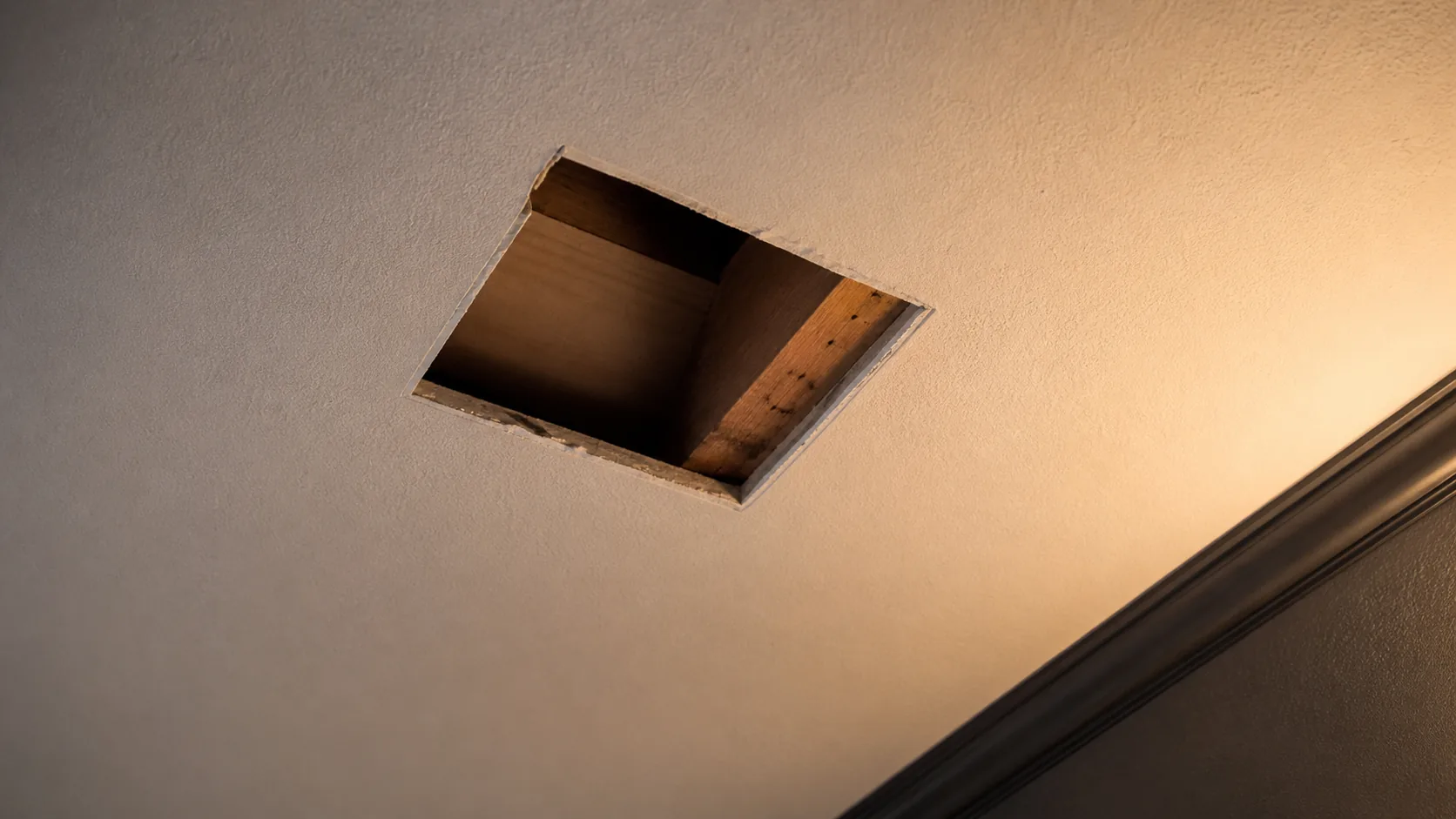
A ceiling hole can involve different access, backing, and finish conditions than similar wall damage. Fixture removal, completed access work, impact, older repairs, or leak history should be explained clearly.
Ceiling height, room access, lighting, texture, framing direction, stains, sagging edges, softness, cracking, or movement can affect whether the request remains a localized patch.
Opening location
Show the hole in relation to walls, corners, fixtures, vents, cabinets, stairs, and furniture access.
Support and access
The location of joists, framing, or other support may not be visible from below. Include safe context without opening more ceiling.
Texture and lighting
Ceiling texture and strong lighting can make patch edges or finish differences more noticeable.
Stains or softness
Sagging edges, staining, softness, cracking, or movement can indicate a broader condition.
Active problem boundary
Active roof, plumbing, or condensation problems should be resolved before cosmetic closure is planned.
Large openings or damage spanning framing, multiple panels, or a broad ceiling area may require a drywall specialist.
Send wide ceiling photos, close-ups, ceiling height, texture, lighting, and any staining or softness concerns.
Texture and finish expectations
Repairing the opening and matching the finish are separate steps
Closing a drywall hole restores the surface, but blending the repaired area with the surrounding wall or ceiling depends on texture, paint, sheen, age, lighting, and the agreed finish scope.
Texture type
Smooth walls, orange-peel, knockdown, textured ceilings, and older plaster-like finishes can create different finish expectations.
Paint and sheen
Paint color alone does not guarantee a visual match because sheen, age, fading, lighting, and previous coats also matter.
Touch-up limits
A small spot repair can remain noticeable when the surrounding paint has weathered or changed over time.
Saved materials
Existing touch-up paint, paint labels, leftover material, or known color information should be included when available.
Finish scope
Primer-ready, paint-ready, spot touch-up, and full-wall repainting are different project scopes.
Functional closure and an invisible cosmetic match should be treated as related but separate goals.
Tell HammerNest whether the goal is closure, texture blending, primer-ready finish, spot touch-up, or broader repainting.
Estimate factors
What affects a drywall hole repair estimate
One anchor hole is different from a ceiling opening, failed patch, irregular damaged area, or finish that needs texture and paint planning.
Openings
The number, width, height, depth, shape, and total damaged areas affect how the request is reviewed.
Location
Wall versus ceiling placement, height, stairways, cabinets, furniture, and access conditions can change the scope.
Edges
Damaged paper, crumbling gypsum, cracks, loose filler, failed patches, and soft edges affect preparation.
Backing
Whether usable backing exists near the opening, corner, stud, outlet, cabinet, or trim can matter.
Finish
Texture type, primer preparation, paint touch-up, color, sheen, and lighting expectations should be separated clearly.
Existing conditions
Moisture staining, softness, movement, hidden-system concerns, or damage extending beyond the visible opening can expand the request.
Before sending the request, gather wide photos, close-ups, measurements, cause, texture details, paint information, access notes, and any warning signs.
Clear photos and finish details help HammerNest review what the repair may involve.
Project boundaries
When a drywall hole may need a broader repair plan
Some drywall openings are connected to moisture, concealed systems, wall movement, or damage extending beyond one localized patch. These conditions should be understood before the wall or ceiling is closed.
Related trim repair, picture removal, shelving work, fixture mounting, paint preparation, and small wall repairs can be included in the same request when each item is documented separately.
Drywall work outside a simple localized patch
Active leaks
Plumbing, roof, window, or exterior leaks should be corrected before drywall is closed and finished.
Moisture and deterioration
Widespread softness, mold concerns, heavy staining, insulation damage, or deteriorated framing may require another provider.
Concealed systems
Openings exposing uncertain wiring, plumbing, ductwork, gas lines, or mechanical systems should be evaluated before patching.
Movement or sagging
Broad cracking, wall movement, significant ceiling sagging, or damage spanning several panels may exceed localized handyman repair.
Large replacement areas
Large demolition areas, complete wall replacement, extensive plaster restoration, or specialized finish reproduction may need a drywall or plaster contractor.
Bundled small repairs
Related trim, shelving, picture removal, fixture mounting, paint prep, and punch-list wall repairs can be included for review.
One submitted list does not guarantee every item uses the same repair method or fits one appointment.
Share the wall, ceiling, moisture, finish, and related small-repair details together so the next step is clear.
Service hub
Related wall repair paths.
These pages may fit the same wall, trim, patch, or punch-list repair request.
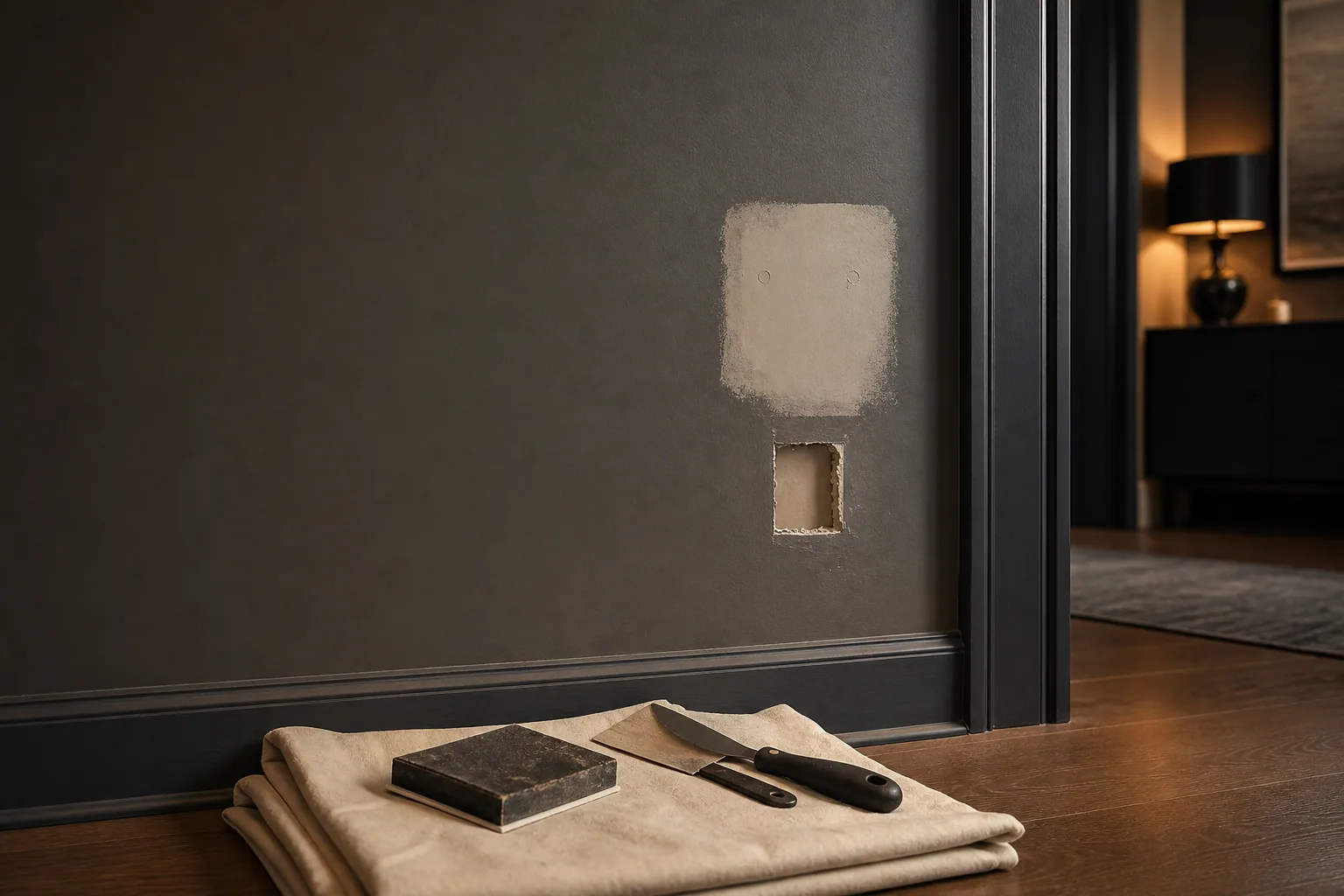 Drywall RepairNeed drywall repair in Freeport, IL? HammerNest reviews photos, scope, materials, and timing for practical handyman help nearby.View Service ->
 Trim and Molding RepairNeed trim and molding repair in Freeport, IL? HammerNest reviews photos, scope, materials, and timing for practical handyman help nearby.View Service ->
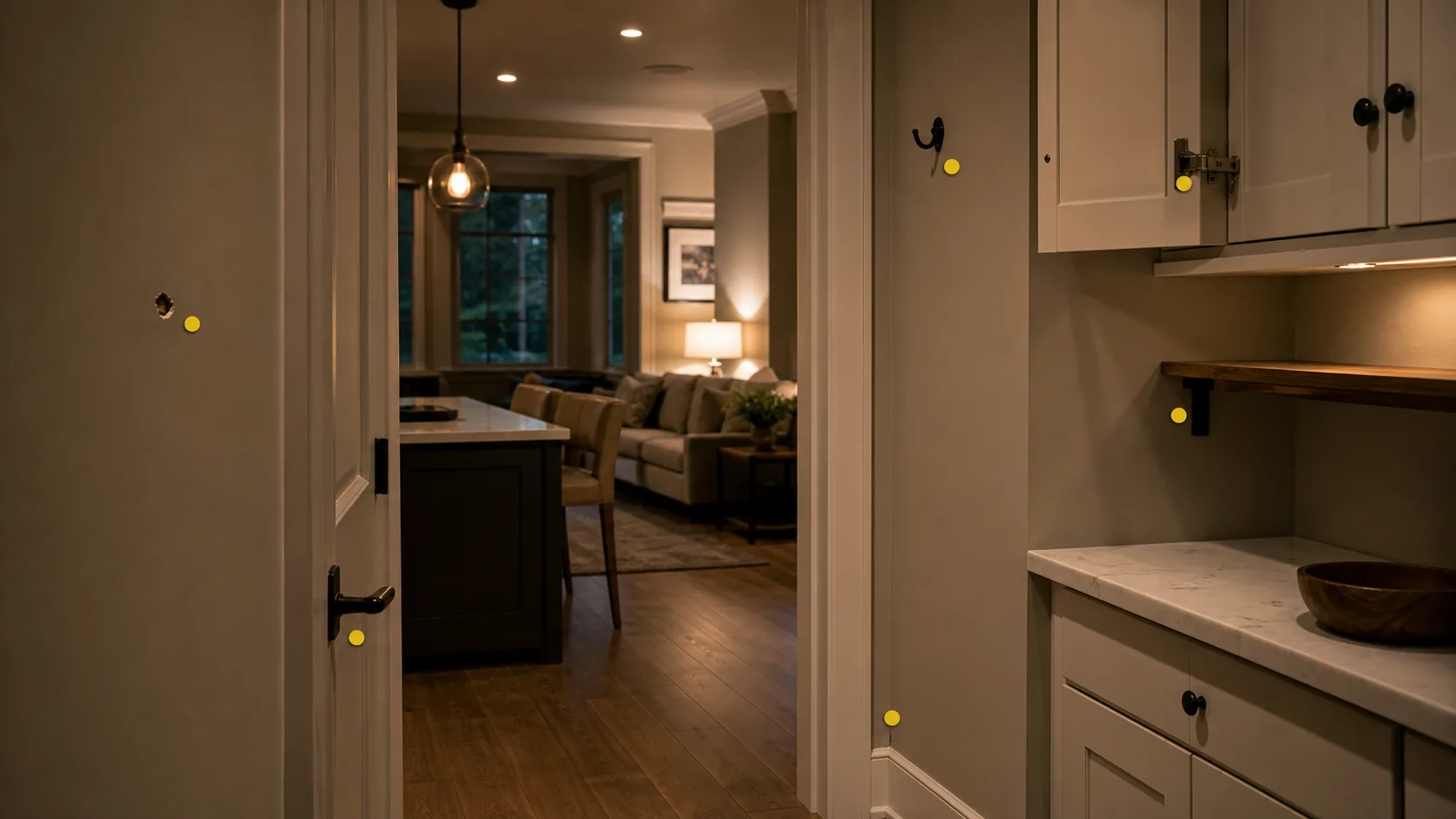 Punch List RepairsNeed punch list repairs in Freeport, IL? HammerNest reviews photos, scope, materials, and timing for practical handyman help nearby.View Service ->
 Request EstimateSend photos, timing, property details, and repair notes so HammerNest can review your handyman request before the next step.View Service ->


 Not sure if we cover your area?


