
Fix Broken Cabinets
HammerNest helps homeowners around Freeport, IL review broken cabinet doors, hinges, drawer slides, loose hardware, damaged mounting points, and localized cabinet-box problems.
Fast response. Quality work. Fair pricing.
Broken cabinet repair scope
Help fixing common broken cabinet problems in Freeport, IL
HammerNest reviews localized cabinet repair problems in Freeport, IL, including sagging doors, loose hinges, sticking drawers, damaged slides, weakened mounting points, cracked face frames, and water-swollen panels.
The damaged part, cabinet material, surrounding structure, and available replacement hardware should be reviewed together before the next step is clear. One crooked door may be simple, while several affected doors and drawers can point to a wider cabinet-run issue.
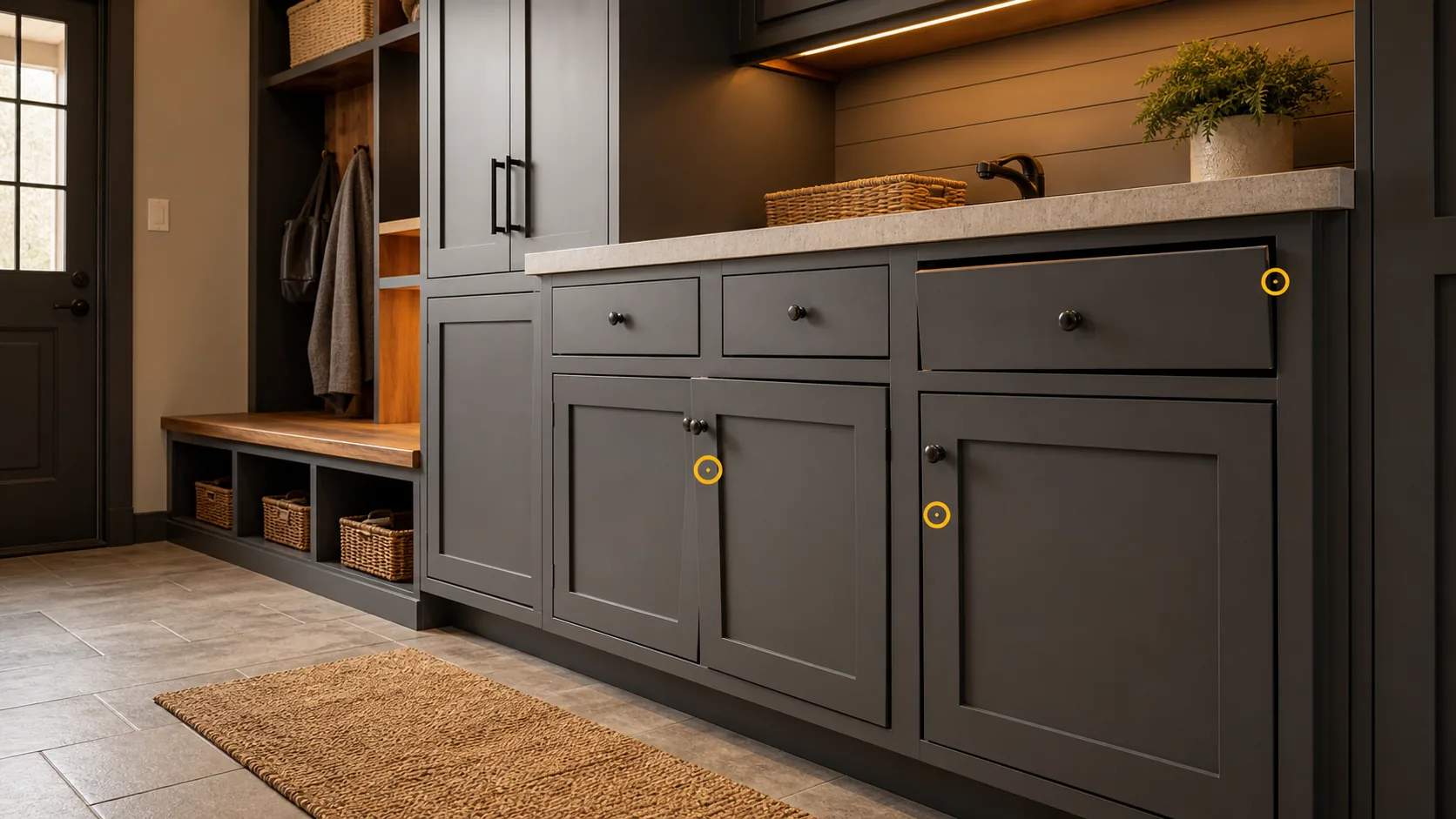
Sagging or misaligned doors
Doors that rub, overlap, sit unevenly, or no longer close correctly may involve worn hinges, loose mounting plates, stripped holes, or movement in the cabinet frame.
Loose hinges and mounting points
Tightening hardware may not hold when the surrounding wood, MDF, or particleboard is split, softened, enlarged, or damaged.
Sticking or tilted drawers
Drawers that scrape, drift open, drop, fall off track, or stop closing can involve slides, drawer-box damage, or front alignment.
Small hardware failures
Loose pulls, knobs, shelf pins, catches, bumpers, brackets, and other small cabinet parts can be grouped into the same request.
Localized cabinet damage
Cracked face frames, loose joints, damaged drawer boxes, lifting veneer, and swollen panels should be photographed with the full cabinet section.
Send the entire cabinet repair list once, especially when several doors, drawers, hinges, or hardware pieces are affected in the same kitchen, bath, laundry room, garage, or rental property.
Share wide photos, close-ups, open and closed positions, hardware markings, moisture history, and how the cabinet behaves during normal use.
Project intake checklist
What to send when you need help fixing broken cabinets
Clear photos and a few basic details help show which cabinet parts are damaged, how the problem affects normal use, and whether the issue is limited to one hinge or drawer or extends across a larger cabinet section.
Full cabinet view
Take one wide photo showing the complete cabinet run, countertop, appliances, floor, walls, and nearby fixtures so alignment across connected doors and drawers is visible.
Open and closed photos
Photograph affected doors and drawers in both positions. Show sagging, rubbing, uneven gaps, sticking, tilting, or any point where the part no longer closes correctly.
Hardware and mounting points
Add close-ups of hinges, mounting plates, drawer slides, pulls, catches, stripped holes, loose fasteners, cracked face frames, and damaged attachment areas.
Count and measurements
Include the number of affected doors, drawers, hinges, slides, pulls, or cabinet sections. Add rough dimensions when the size of a part or damaged panel matters.
Cause and part details
Mention moisture exposure, impact damage, appliance movement, previous repairs, manufacturer labels, part markings, supplied hardware, or product links when available.
Open and closed photos are especially useful because a cabinet can look fine in one position while rubbing, sagging, or pulling loose in another.
Gather the wide view, close-ups, affected part count, hardware markings, symptoms, and any moisture or previous repair details.
How it works
Narrow the broken cabinet scope before follow-up.
A complete view of the cabinet run helps separate one loose part from a connected alignment or material problem.
- Send repair detailsShare photos, location, urgency, and the best way to reach you.
- Upload photos if helpfulWide and close-up photos make the first review clearer.
- Choose call or text follow-upTell us how you prefer to handle the next step.
- Get the next stepIf the job fits, timing, materials, and the repair plan are confirmed.


Door alignment check
A crooked cabinet door may involve more than hinge adjustment
A cabinet door that sags, rubs, overlaps, or leaves uneven gaps may have a worn hinge, loose mounting plate, damaged screw holes, or movement in the cabinet structure.
The door, hardware, mounting points, and surrounding cabinet faces should be reviewed together before treating the problem as a simple adjustment. Several misaligned doors in one run can point to cabinet movement beyond one hinge.
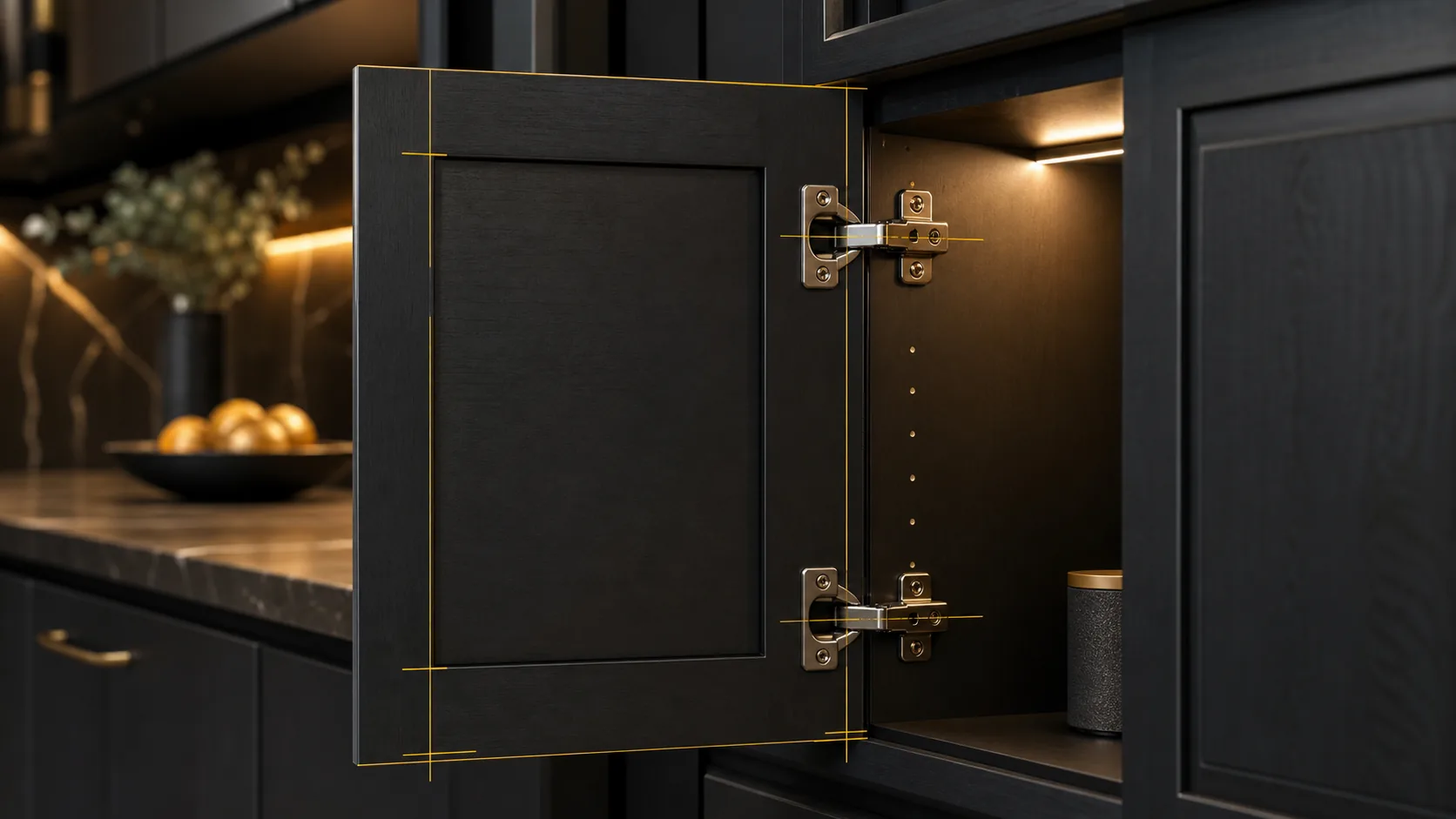
Hinge condition
Worn, bent, loose, or failing soft-close hinges can change how the door opens and sits. Include close photos of every hinge and any visible markings.
Mounting plates
A hinge adjustment may not hold when the mounting plate is pulling away or the screw holes are stripped, cracked, enlarged, or softened.
Door condition
Warping, split joints, damaged hinge cups, or loose center panels can keep a door out of alignment even when the hinge still moves.
Reveal gaps
Uneven gaps, rubbing edges, overlap, or a door that will not stay closed should be shown against adjacent doors and drawer fronts.
Nearby cabinets
Multiple doors out of line may indicate cabinet-box movement, loose face-frame joints, or a wider alignment issue.
Do not force a rubbing cabinet door closed for photos. Show the position where the problem naturally appears.
Send open and closed photos, hinge close-ups, mounting point details, and the nearby cabinet faces for alignment context.
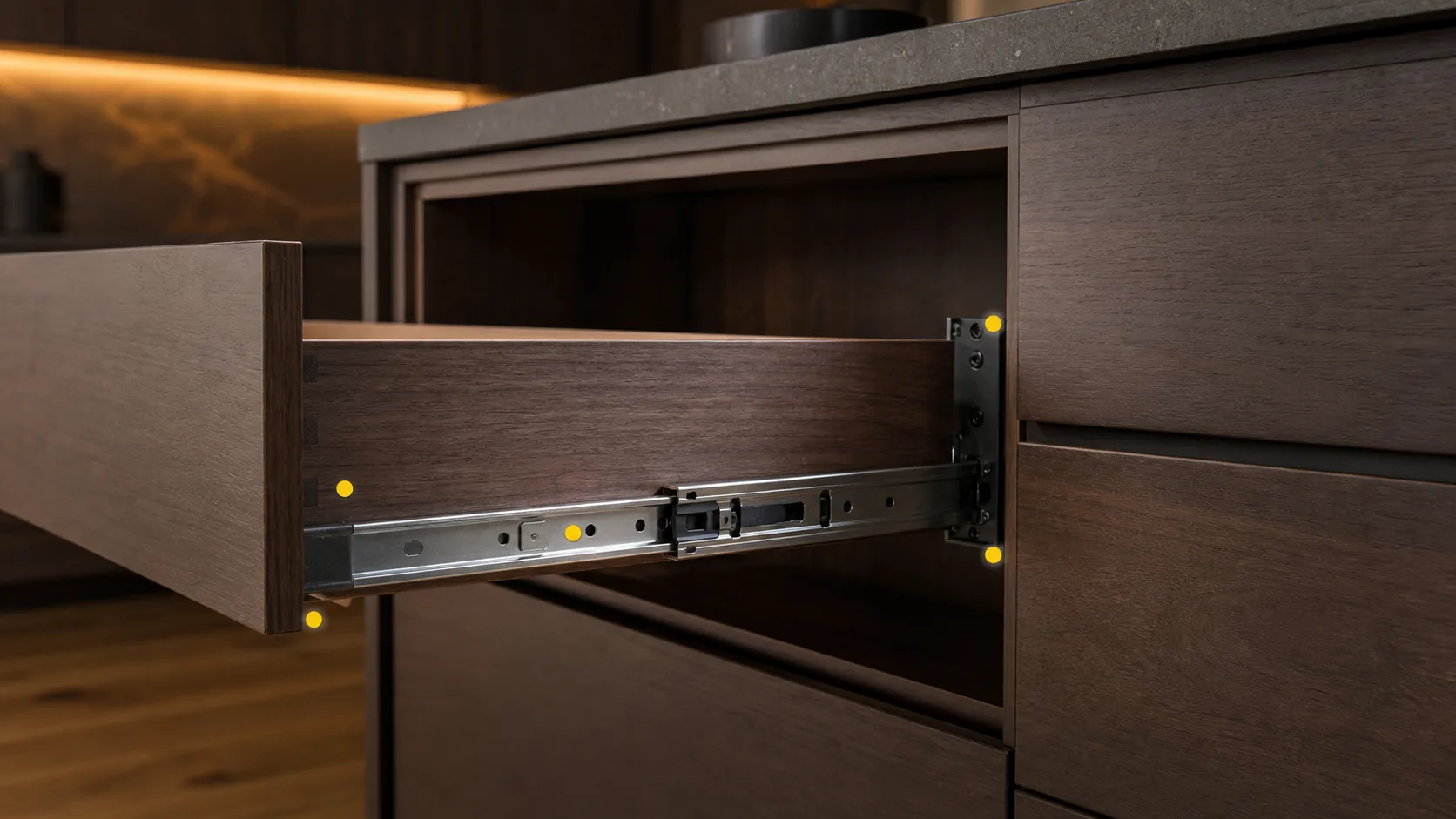
Drawer function check
Drawer problems usually start with the slides, box, or front alignment
A drawer that sticks, tilts, scrapes, drifts open, or falls off track may have worn slides, loose mounting points, a damaged drawer box, or a misaligned front.
The full drawer assembly should be reviewed before the issue is treated as a simple hardware swap. Slide type, length, clearance, and attachment method are not automatically interchangeable.
Slide condition
Bent, worn, loose, dirty, or detached drawer slides can prevent smooth movement. Photograph both sides of the drawer and any visible hardware markings.
Mounting points
Slides may pull away when screws loosen or the cabinet material becomes stripped, cracked, or water-swollen.
Drawer-box damage
Cracked corners, separating joints, swollen panels, or softened material can keep the drawer from sitting square and holding hardware.
Front alignment
A crooked drawer front can rub nearby doors or make gaps look uneven even when the drawer still moves.
Multiple drawers
Several affected drawers in one bank may point to cabinet-box movement, shifted rails, or repeated hardware compatibility issues.
Send photos with the drawer closed, halfway open, and safely removed only if it already comes out normally. Do not force a stuck drawer apart.
Share side views, slide close-ups, drawer-box condition, front alignment, and whether one or several drawers are affected.
Material and structure check
The cabinet material and damaged structure determine what repair makes sense
Cabinet hardware can only hold as well as the material supporting it. Solid wood, plywood, MDF, particleboard, laminate, and veneer respond differently to stripped screws, cracked joints, swelling, and repeated movement.
A hardware problem near a sink, dishwasher, vanity, laundry area, or appliance opening may be connected to moisture exposure or weakened cabinet material rather than the hardware alone.
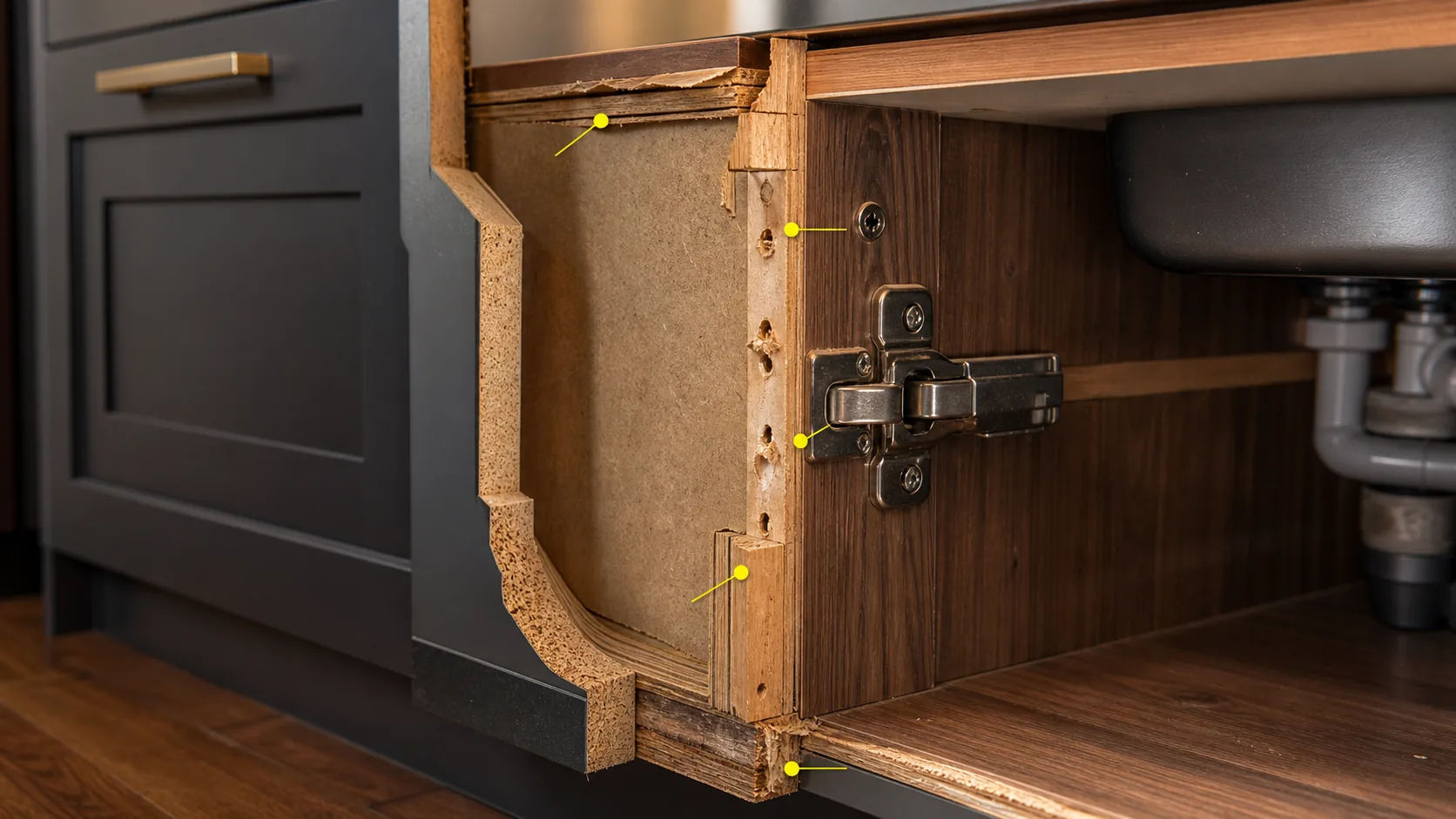
Cabinet box condition
Loose joints, split panels, damaged shelf supports, or movement in the cabinet box can affect doors, drawers, and hardware across the section.
Face-frame damage
Cracked or separating face frames can shift hinge mounting points and create uneven door gaps. Show the damaged joint and nearby doors.
Stripped mounting points
Hinges and drawer slides may keep pulling loose when screw holes are enlarged, crumbling, or no longer able to hold the fastener securely.
Water-swollen panels
Softness, swelling, separation, or crumbling material near plumbing and appliances should be noted before a cosmetic repair is planned.
Surface layers
Peeling laminate, lifting veneer, damaged edge banding, or cracked painted finishes may affect the difference between functional repair and finish restoration.
Active leaks or repeated moisture exposure should be resolved before cabinet material is closed up, fastened, or refinished.
Send photos of the cabinet box, face frame, mounting points, swollen areas, lifted veneer, and any nearby plumbing or appliance context.
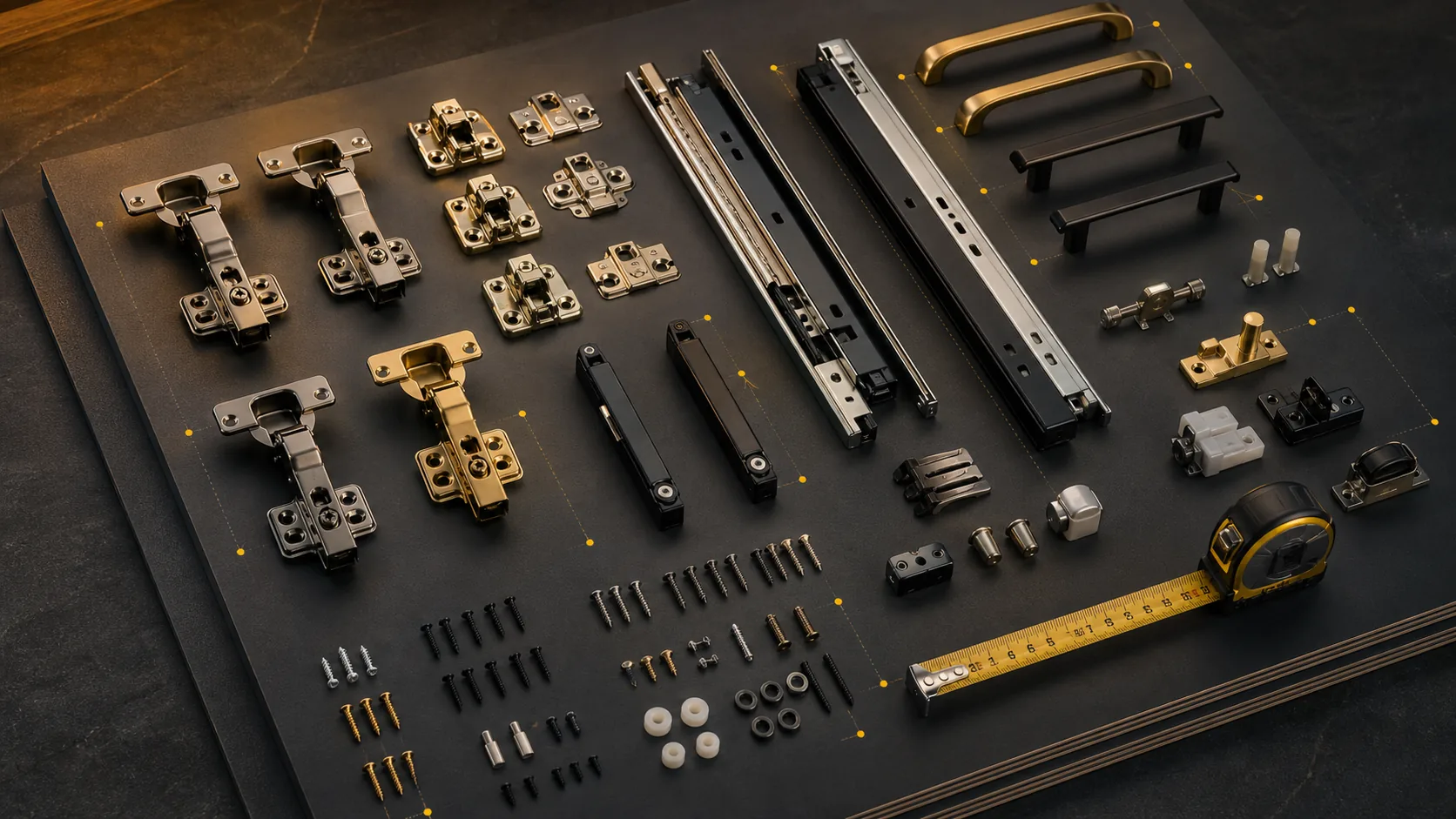
Hardware compatibility check
Replacement hinges, slides, and hardware need the right fit
Cabinet parts that look similar are not always interchangeable. Hinge style, slide length, mounting pattern, cabinet clearance, and existing screw locations should be compared before replacement hardware is assumed to fit.
Older or discontinued parts may not have a visually identical replacement, and damaged mounting points can limit whether a direct swap remains practical.
Hinges and plates
Concealed, face-frame, inset, overlay, and soft-close hinges use different mounting setups. Send photos of the hinge, plate, cup, and screw pattern.
Drawer slides
Side-mount, undermount, center-mount, and soft-close slides should be compared by length, clearance, extension, and attachment style.
Pulls and knobs
Replacement handles should match the existing hole spacing, cabinet thickness, screw length, and intended placement.
Small parts
Shelf pins, catches, bumpers, brackets, spacers, and screws should match the existing cabinet system where possible.
Supplied replacements
If you already have replacement parts, send photos of the packaging, hardware, measurements, and where each part is intended to be used.
Compatible parts are easier to review when the existing hardware, the replacement part, and the cabinet mounting location are all shown together.
Share hinge style, slide type, measurements, markings, supplied parts, and damaged mounting points before follow-up.
Estimate factors
What affects an estimate to fix broken cabinets
The repair scope depends on how many cabinet parts are affected, what hardware is installed, the condition of the cabinet material, access around the work area, and whether the goal is functional repair or closer cosmetic matching.
Repair scope
One sagging door is different from several damaged hinges, sticking drawers, loose face-frame joints, or hardware problems across an entire cabinet run.
Hardware
Hinge style, drawer-slide type, pull spacing, mounting plates, and part availability can affect what the repair requires.
Material
Stripped mounting points, cracked wood, loose face frames, separating drawer boxes, and water-swollen MDF or particleboard can change the repair path.
Access
Countertops, appliances, sinks, tight rooms, occupied cabinets, and built-in storage can affect how easily the damaged area can be reached.
Previous repairs
Old adhesive, mismatched hinges, failed anchors, enlarged holes, or improvised fixes may need to be removed or worked around.
Finish expectations
Functional repair, finish matching, refinishing, refacing, and replacement are different scopes and should be separated early.
Before requesting an estimate, gather the affected part count, cabinet photos, hardware close-ups, material damage, access details, supplied parts, and finish expectations.
Clear photos and hardware details help HammerNest review whether the request is localized repair, part replacement, or a broader cabinet plan.
Project boundaries
When broken cabinets may need a broader repair plan
Some cabinet problems extend beyond a loose hinge, damaged slide, or localized mounting point. Widespread material failure, custom fabrication, active moisture, or movement across an entire cabinet run may require a broader repair or replacement plan.
Related trim repair, drawer-pull replacement, shelving, minor drywall repair, and small fixture mounting can still be included in the same request when each item is documented separately.
Cabinet work outside localized repair
Custom components
Made-to-match doors, drawer boxes, face frames, or specialty cabinet parts may require a cabinetmaker or finish carpenter when compatible parts are unavailable.
Full refacing or replacement
Replacing most doors and drawer fronts, refinishing an entire cabinet run, changing the layout, or installing new cabinets is broader than localized repair.
Widespread water damage
Active leaks, swollen cabinet bases, soft panels, separating material, or deterioration across several connected sections should be handled before cosmetic repair.
Built-in changes
Countertop removal, appliance-opening changes, structural mounting, major layout changes, and custom built-in modifications may require another contractor.
Wall or floor movement
Cabinets pulling from walls, floor settlement, major movement, or damaged wall framing may need broader evaluation before cabinet repair.
Bundled small repairs
Related pulls, hinges, drawer slides, trim, shelving, drywall touch-ups, and fixture mounting can be submitted together for review.
One submitted list does not guarantee every item uses the same repair method or fits one appointment.
Share every damaged cabinet item, related trim or fixture issue, moisture concern, and part detail in one organized request.
Service hub
Related cabinet and finish repair paths.
These pages may fit the same cabinet, trim, fixture, or small repair request.
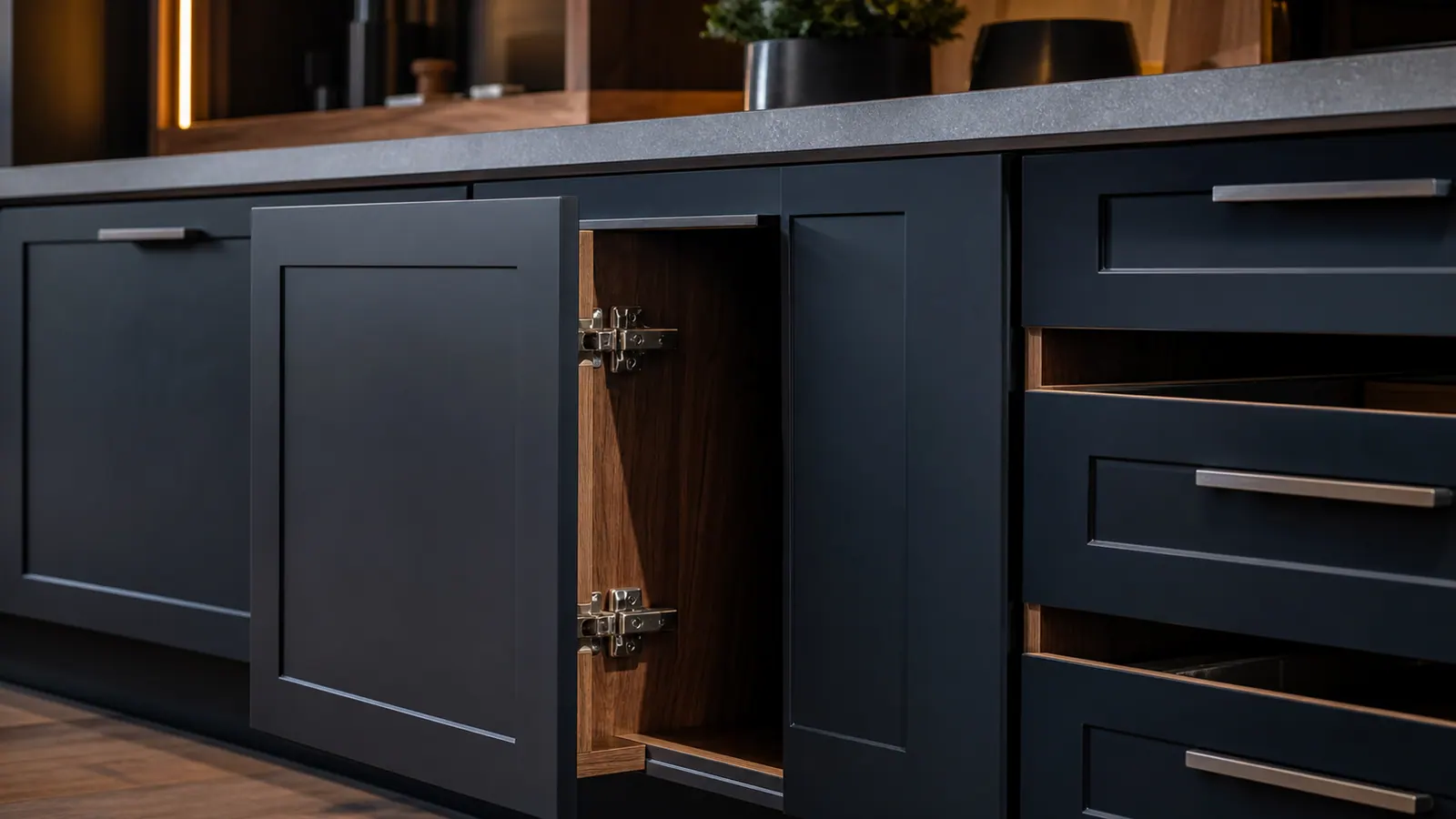 Cabinet RepairNeed cabinet repair in Freeport, IL? HammerNest reviews photos, scope, materials, and timing for practical handyman help nearby.View Service ->
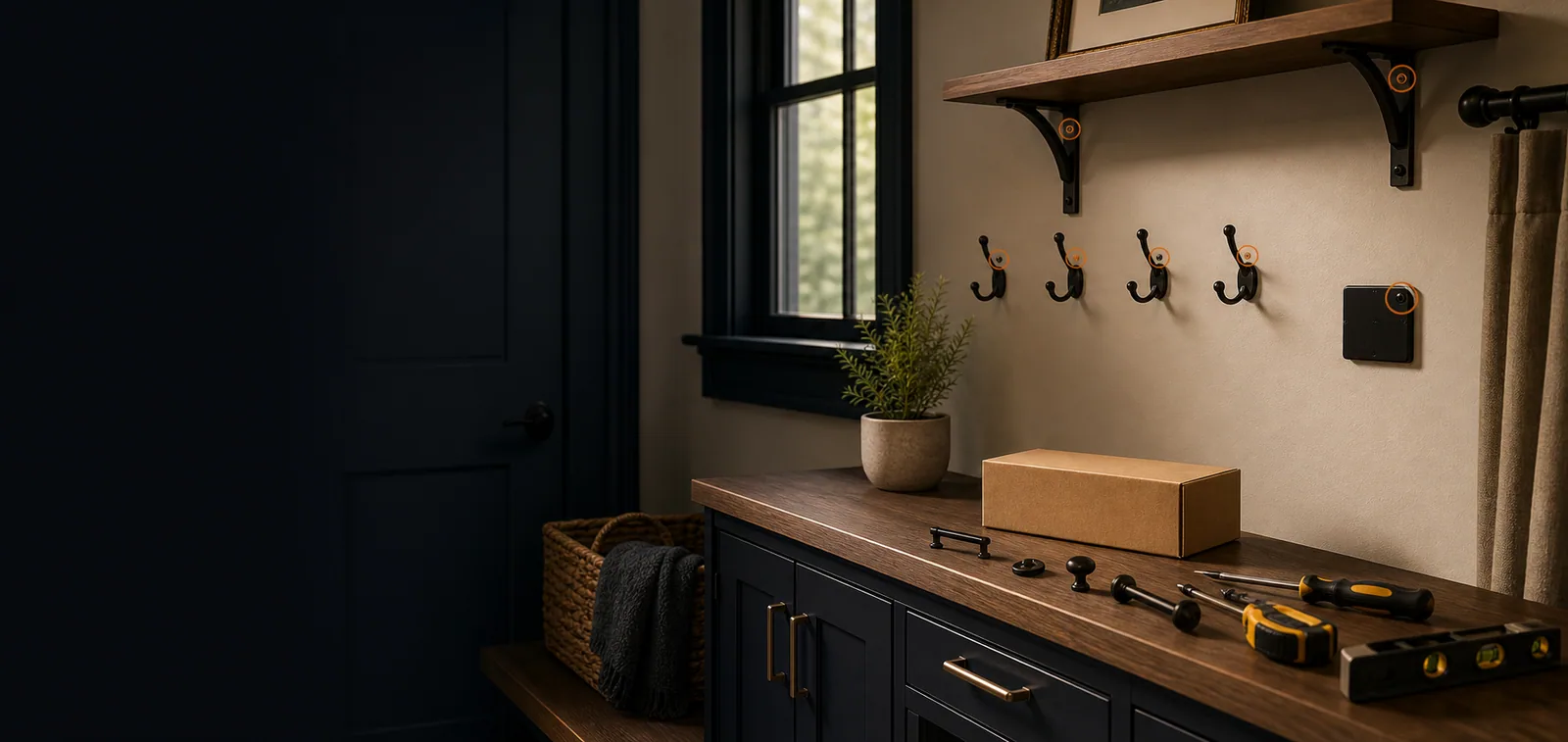 Fixture & Hardware Installation in Freeport, ILInstall curtain rods, blinds, bathroom accessories, hooks, organizers, cabinet handles, and small wall fixtures near Freeport, IL.View Service ->
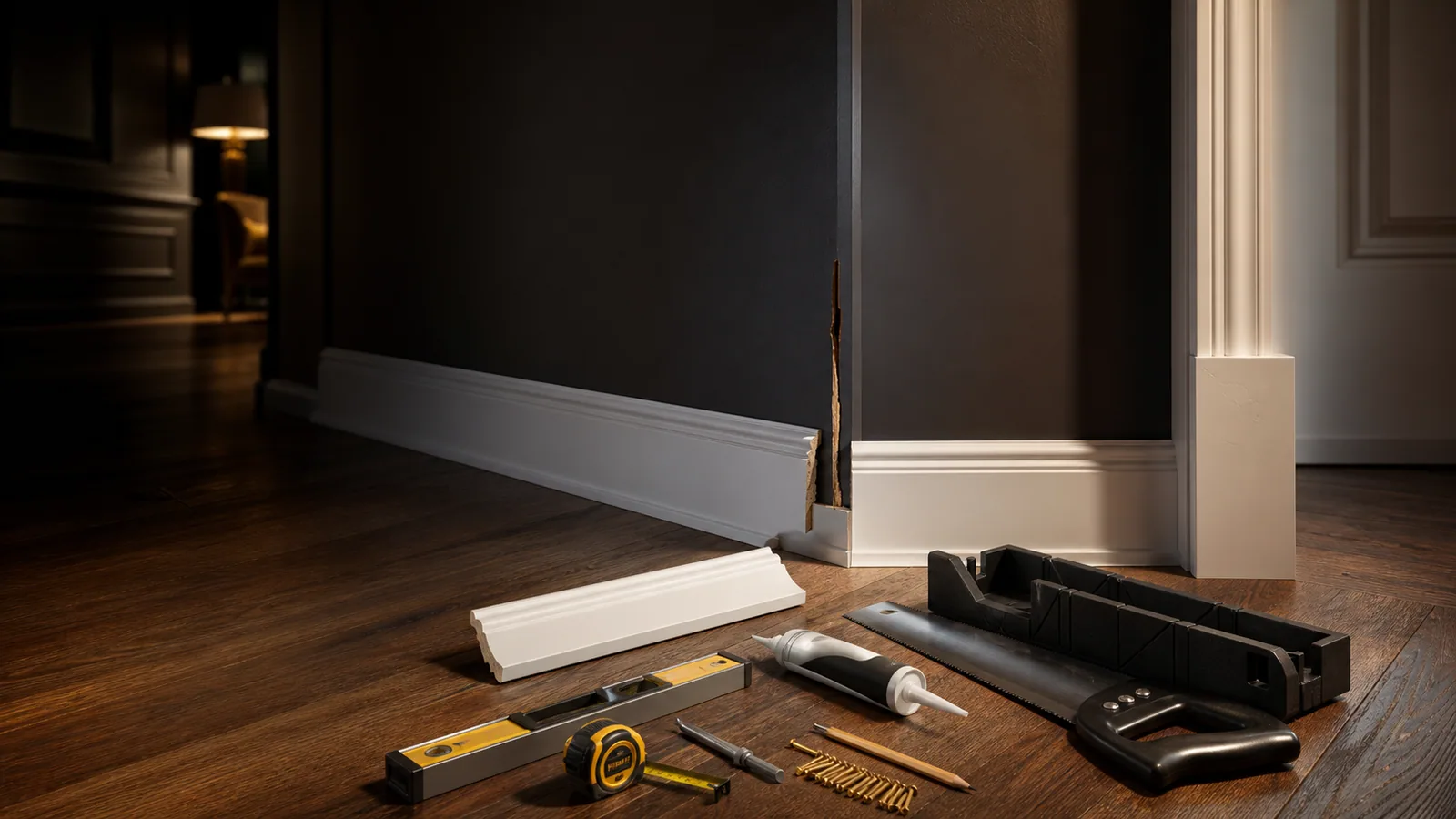 Trim and Molding RepairNeed trim and molding repair in Freeport, IL? HammerNest reviews photos, scope, materials, and timing for practical handyman help nearby.View Service ->
 Request EstimateSend photos, timing, property details, and repair notes so HammerNest can review your handyman request before the next step.View Service ->


 Not sure if we cover your area?


