
Cabinet Repair
HammerNest provides cabinet repair help in Freeport, IL for loose doors, worn hinges, drawer-slide issues, damaged pulls, and small cabinet problems that need a practical repair review.
Fast response. Quality work. Fair pricing.
Home repair services
Cabinet repair for everyday problems in Freeport, IL
HammerNest reviews cabinet repair issues such as loose or sagging doors, uneven gaps, rubbing doors, sticking drawers, worn hardware, and cabinets that no longer close the way they should.
A cabinet issue should be reviewed as a complete assembly, not just a single loose screw or crooked door. Material, damage, hardware, and surrounding structure all affect what should be checked next.
Loose or sagging doors
Doors that drop, sit crooked, or pull away from alignment should be reviewed at the hinge, mounting point, and cabinet structure together.
Drawer slide problems
Drawers that stick, tilt, scrape, or stop closing correctly may involve worn slides, loose fasteners, or damaged mounting points.
Hinges and mounting plates
Worn hinges and loose mounting plates can affect how the door opens, closes, and lines up with the rest of the cabinet run.
Pulls, knobs, and hardware
Damaged or loose cabinet hardware can be included when the fastener holes, cabinet face, and replacement fit are reviewed.
Complete cabinet lists
If several doors, drawers, or hardware items are affected, send the full cabinet repair list in one request.
Project intake checklist
What to send with your cabinet repair request
A few clear photos and basic details help show what is damaged, which hardware is involved, and whether the issue affects one cabinet or a larger section.
Full cabinet view
Take one wide photo showing the complete cabinet run and surrounding countertop, appliances, walls, floor, or fixtures.
Damage close-ups
Add close photos of the affected door, hinge, drawer, slide, cabinet box, mounting point, swollen material, stripped hole, or loose hardware.
Open hardware view
Photograph the door or drawer open so hinges, mounting plates, slides, fasteners, and interior attachment points are visible.
Quantity and details
Include approximate dimensions, the number of affected doors or drawers, and any visible manufacturer label or hinge marking.
What happens during use
Explain whether the door or drawer sags, rubs, sticks, tilts, pulls loose, fails to close, or changed after moisture exposure.
Phone photos do not need to be polished. One wide view, close-ups, and an open-door or open-drawer angle usually explain more than one tight crop.
Include wide photos, close-up damage, hardware views, and what happens when the cabinet is used.
How it works
How the cabinet repair request works.
A simple repair flow from cabinet details to follow-up.
- Send repair detailsShare photos, location, urgency, and the best way to reach you.
- Upload photos if helpfulWide and close-up photos make the first review clearer.
- Choose call or text follow-upTell us how you prefer to handle the next step.
- Get the next stepIf the job fits, timing, materials, and the repair plan are confirmed.


Door alignment check
Cabinet door problems start with the hinge, mounting point, and alignment
A crooked cabinet door is not always solved by turning an adjustment screw. Loose hinges, shifting mounting plates, stripped fastener holes, or damage around the attachment point can all cause sagging, rubbing, overlap, and uneven gaps.
The door style and hinge setup matter too. Concealed hinges, face-frame hinges, inset doors, and overlay doors each align differently.

Loose hinges and plates
Loose fasteners can allow the door to drop, shift sideways, or pull away from the cabinet.
Stripped mounting points
Adjustment may not hold when screw holes are stripped, the frame is split, or the hinge plate is pulling away.
Incorrect alignment
Uneven gaps, overlapping doors, and rubbing edges may involve hinge position or movement across nearby doors.
Soft-close problems
A door that slams, stops short, or closes unevenly may have worn or incompatible hinge hardware.
Warped or damaged doors
Warping, splitting, loose joints, or shifting panels can limit what a hinge adjustment alone can solve.
If the door, frame, hinge cup, or mounting point is damaged, replacement parts or more extensive cabinet work may be needed before alignment can hold.
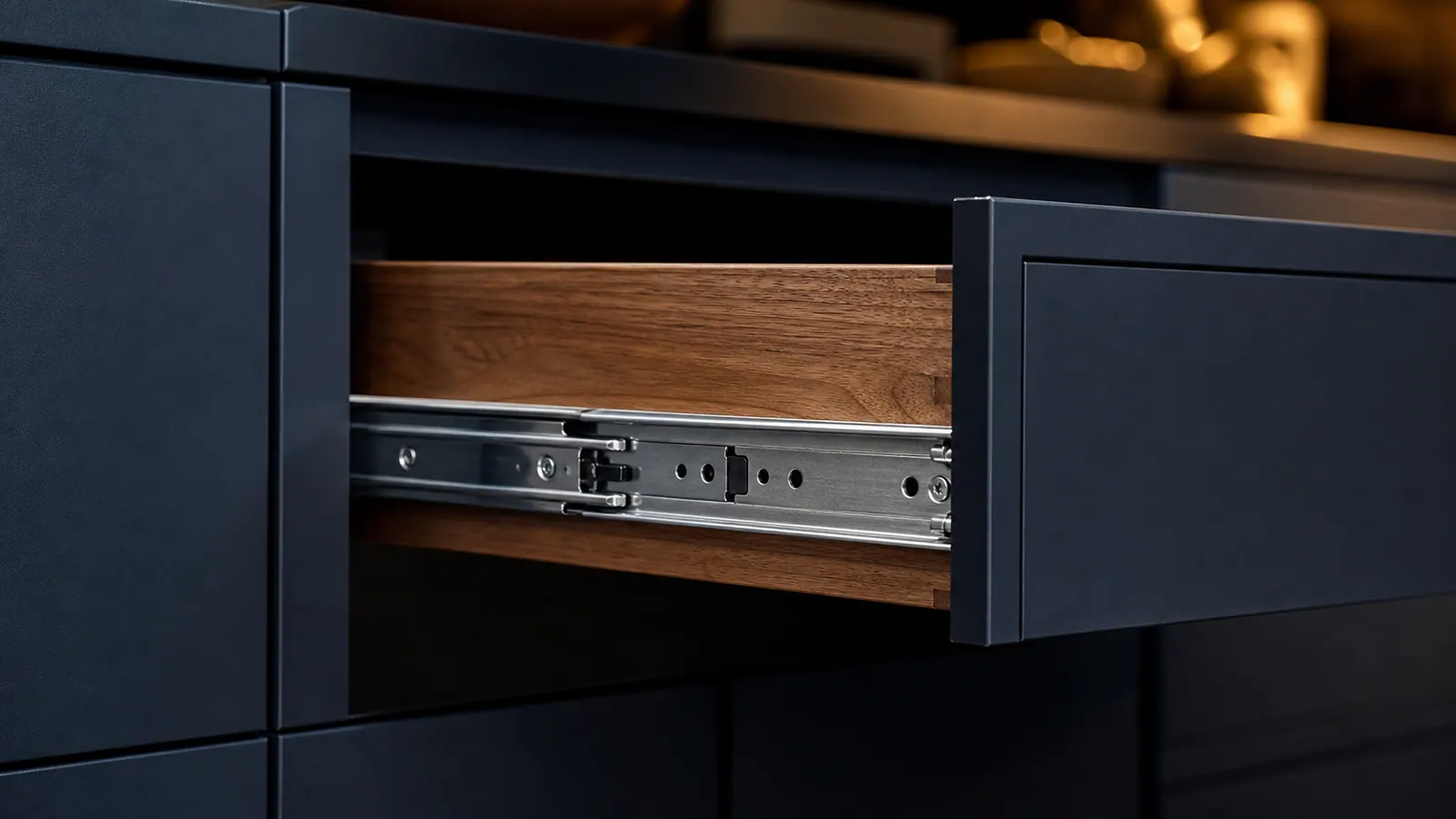
Drawer function check
Drawer problems usually show up in the slides, box, or face alignment
A drawer that sticks, tilts, scrapes, drifts open, falls off track, or refuses to close may have more than one problem.
Photos are most useful when they show the drawer partly open, fully extended, and removed when practical so the slide style and attachment points are visible.
Slide condition
Slides may be bent, worn, dirty, loose, or detached from the cabinet or drawer box.
Drawer tracking
A drawer that tilts, drops, or pulls out unevenly may have damaged slide parts or a misaligned mounting point.
Box condition
Cracked corners, loose joints, swollen panels, or separating drawer-box material can keep slides from staying square.
Face alignment
A crooked drawer front may rub nearby doors, overlap another drawer, or leave uneven gaps.
Multiple-drawer movement
Several misaligned drawers in the same bank may point to cabinet-box movement or wider installation issues.
Replacement slides and soft-close parts may need to match the cabinet, drawer box, extension type, and mounting pattern. Availability should be confirmed before assuming a direct swap.
Material condition check
Cabinet material and damage decide what kind of repair makes sense
Cabinet materials do not respond to damage in the same way. Solid wood, plywood, MDF, particleboard, laminate, veneer, and painted finishes each affect how well hinges, slides, fasteners, and joints can be repaired or reinforced.
The location and extent of the damage matter just as much as the material, especially near sinks, dishwashers, bathrooms, and other moisture-prone areas.
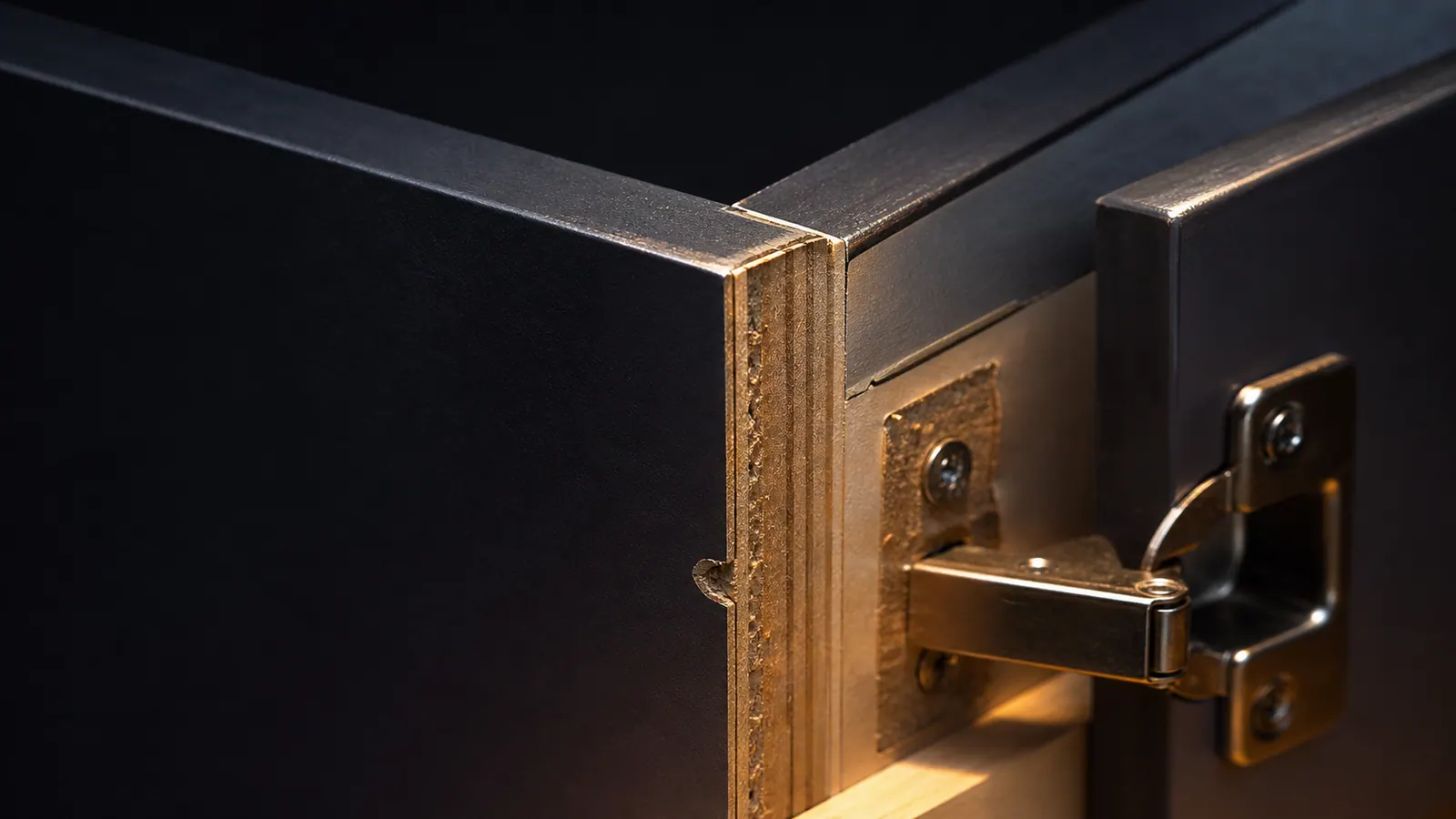
Solid wood and plywood
Localized repairs may be practical when the surrounding structure remains sound, but splits and failed fastener points still matter.
MDF and particleboard
Compressed wood products can lose strength when screw holes strip or moisture causes swelling.
Laminate and veneer
Peeling laminate, lifting veneer, and edge damage may involve both the surface layer and material underneath.
Doors, frames, and boxes
Cracked doors, split rails, loose face frames, or damaged drawer boxes may change the repair approach.
Water-adjacent damage
Swelling near sinks, dishwashers, or bathrooms can indicate material deterioration that should be reviewed before hardware is reattached.
Active leaks, mold, rot, widespread swelling, full refinishing, refacing, or large-scale replacement should be addressed separately from a small functional cabinet repair.
Estimate factors
What affects a cabinet repair estimate
Cabinet repair scope depends on more than the visible problem. The number of affected parts, hardware type, cabinet material, access, finish expectations, and surrounding damage all help determine what the repair may involve.
Scope
The number of affected doors, drawers, hinges, slides, pulls, and cabinet sections influences the work involved.
Hardware
Hinges, drawer slides, catches, pulls, and mounting plates need to be identified and matched by size, style, and attachment method.
Material
Solid wood, plywood, MDF, particleboard, and other cabinet materials hold fasteners differently.
Access
Countertops, appliances, plumbing fixtures, narrow rooms, and limited clearance can affect how the damaged area is reached.
Finish
Functional repair and cosmetic restoration are not always the same scope, especially with paint, stain, veneer, or laminate matching.
Existing conditions
Wider deterioration, old repairs, stripped holes, or swelling can make an isolated hardware fix more involved.
Before sending the request, gather wide photos, hardware close-ups, the number of affected doors or drawers, and whether the goal is functional repair, cosmetic improvement, or both.
Hardware details and the complete repair list make the request easier to review.
Repair boundaries
When cabinet repair may need a different specialist
Some cabinet problems point beyond a focused handyman repair, especially when the cabinet system needs extensive finishing, redesign, structural work, or active moisture correction.
Send the photos anyway if you are unsure. Clear cabinet details help HammerNest identify whether the request fits a practical repair review or should be handled before cabinet work continues.
May need a different specialist
Custom built cabinets
Fully custom cabinet work may need a cabinetmaker or remodeler.
Extensive refinishing
Large paint, stain, veneer, laminate, or finish-matching projects may be outside a small repair scope.
Full refacing or layouts
New cabinet layouts, refacing, or large-scale replacement should be reviewed as a larger remodeling project.
Countertop removal
Repairs that require removing countertops or fixtures may need a different contractor.
Active leaks or mold
Water intrusion, active plumbing leaks, mold concerns, or rot should be handled before cabinet repair proceeds.
Structural or wall reconstruction
Major wall movement, framing concerns, or reconstruction should be evaluated separately.
Share wide photos, close-up damage, hardware details, and what happens during normal use so the next step can be reviewed clearly.
Service hub
Related cabinet and small repair help.
These pages may fit the same cabinet issue or room repair list.
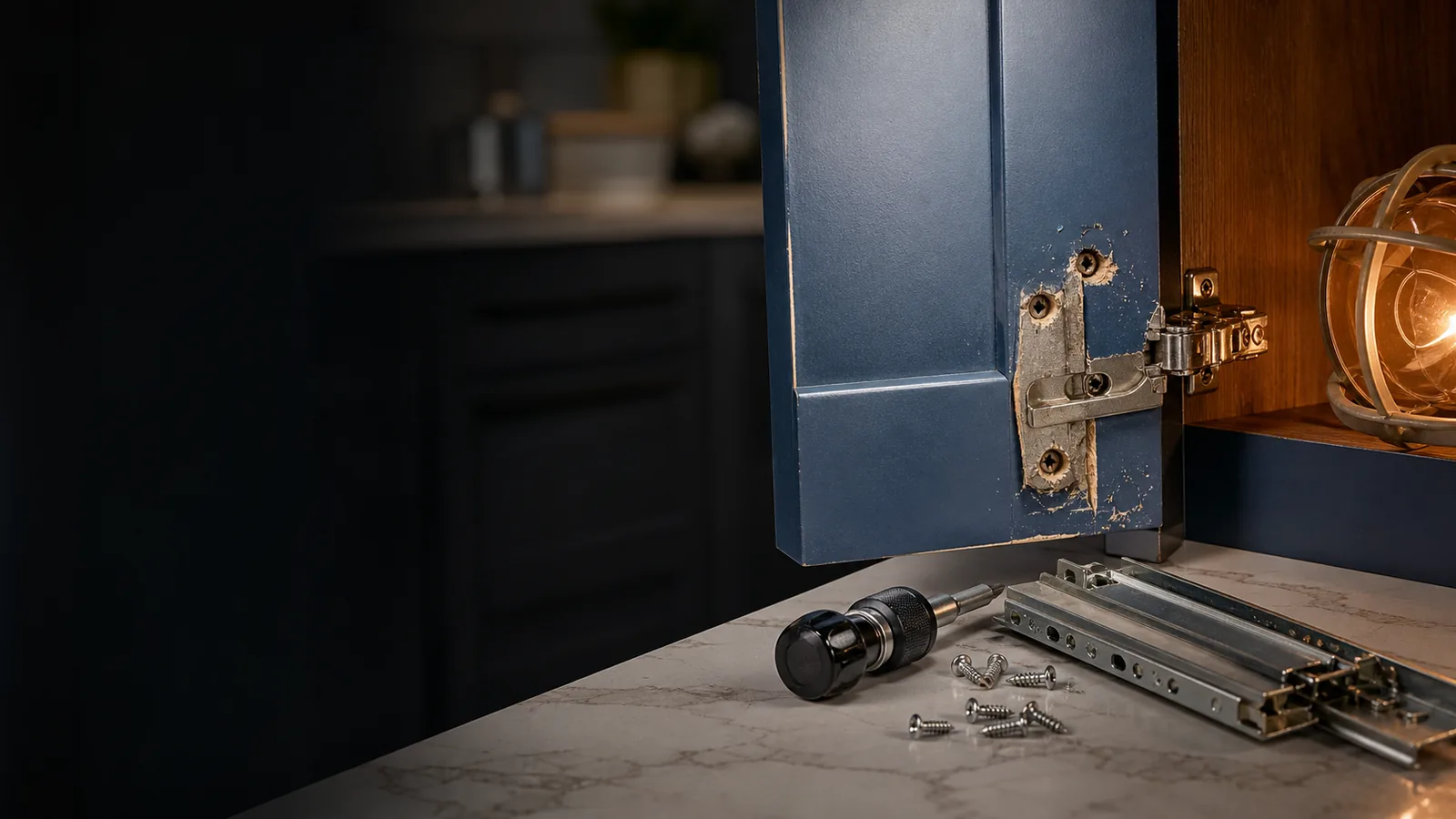 Fix Broken CabinetsNeed cabinet doors, hinges, drawers, or hardware fixed near Freeport? HammerNest reviews photos and details before the next step.View Service ->
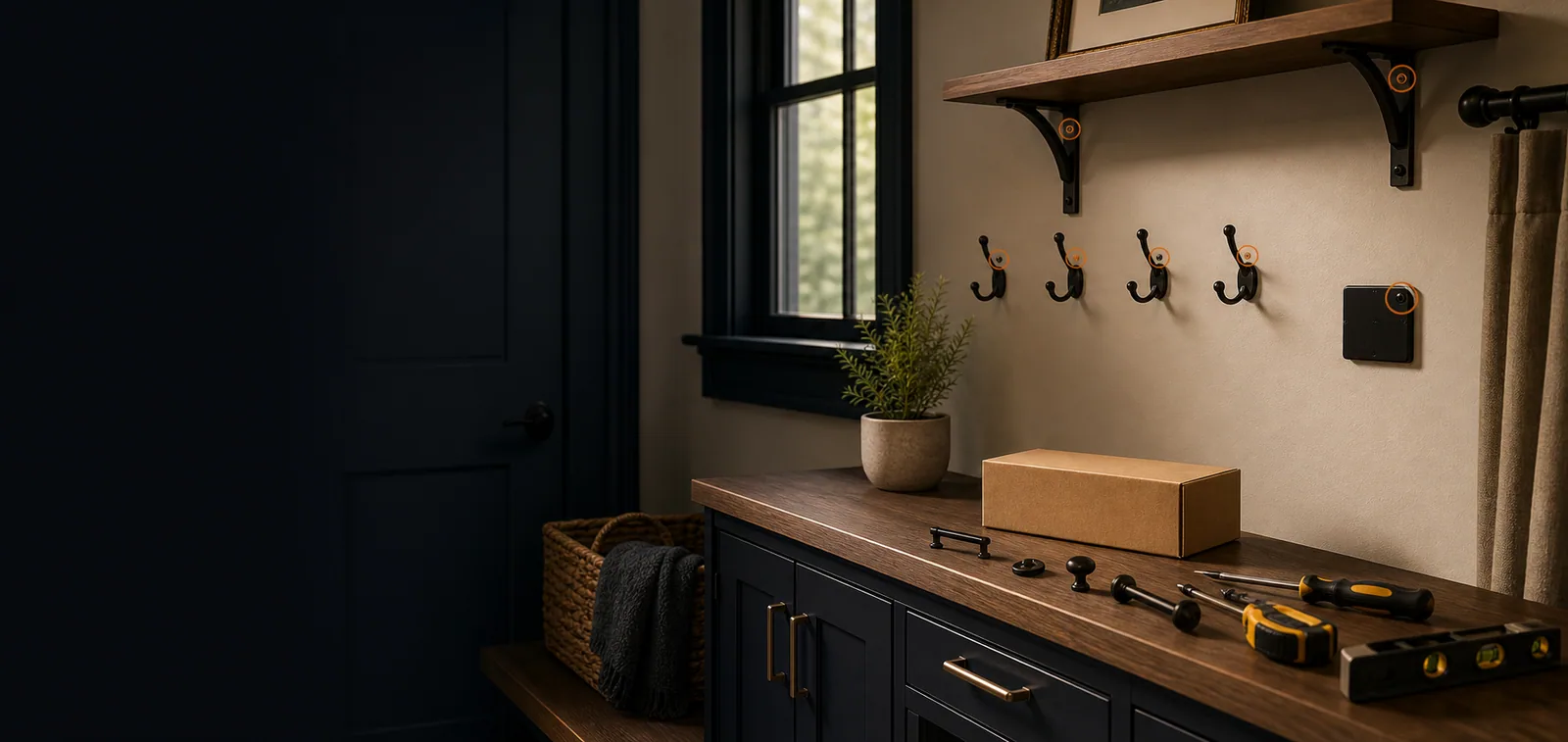 Fixture & Hardware Installation in Freeport, ILInstall curtain rods, blinds, bathroom accessories, hooks, organizers, cabinet handles, and small wall fixtures near Freeport, IL.View Service ->
 Trim and Molding RepairNeed trim and molding repair in Freeport, IL? HammerNest reviews photos, scope, materials, and timing for practical handyman help nearby.View Service ->
 Furniture AssemblyNeed furniture assembly in Freeport, IL? HammerNest reviews photos, scope, materials, and timing for practical handyman help nearby.View Service ->


 Not sure if we cover your area?


