
Fix My Broken Door
HammerNest helps homeowners around Freeport, IL review sticking doors, sagging hinges, latch problems, loose handles, damaged jambs, trim issues, thresholds, and weatherstripping concerns.
Fast response. Quality work. Fair pricing.
Broken door repair scope
Help fixing common broken door problems in Freeport, IL
HammerNest reviews localized door repair problems in Freeport, IL, including sticking or scraping doors, sagging hinges, latches that miss the strike plate, loose handles, damaged jambs, separated casing, threshold issues, and worn weatherstripping.
The door slab, hardware, frame, trim, floor clearance, and surrounding opening should be reviewed together before the next step is clear. A door that will not close can be a hardware problem, an alignment problem, or a sign that the opening has shifted.
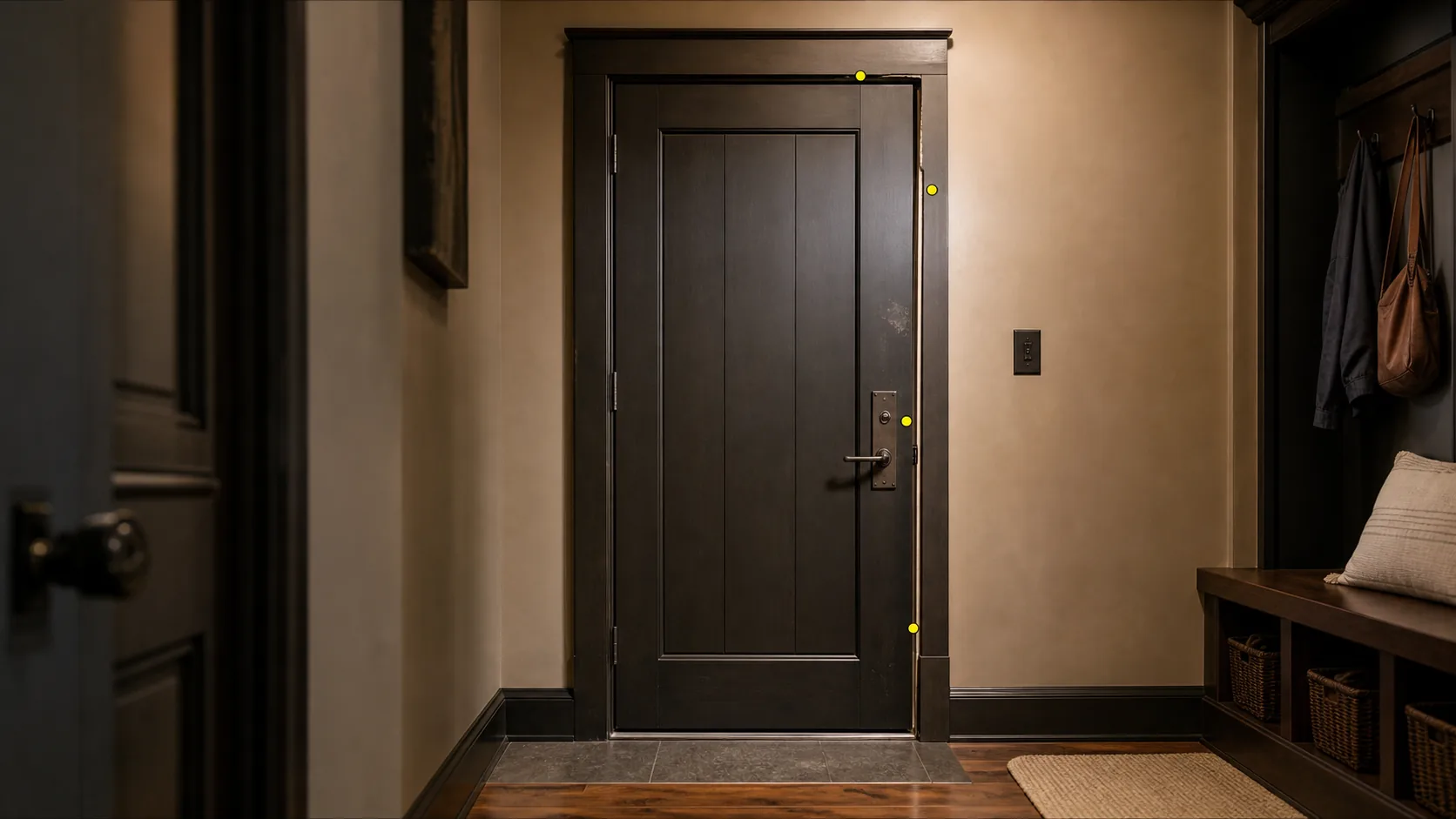
Sticking or sagging doors
A door that rubs the frame, floor, or threshold may involve loose hinges, worn mounting points, swelling, paint buildup, or movement in the opening.
Latch and strike problems
Doors that reach the frame but will not latch may have shifted hardware, door sag, jamb movement, or damaged screw holes around the strike plate.
Loose hinges and handles
Hinges, knobs, levers, latches, and strike plates should be photographed with their fasteners and mounting points.
Jamb, casing, and trim damage
Split jambs, separated casing, damaged stops, cracked caulk lines, or floor-transition issues can affect how the door works.
Exterior door perimeter issues
Drafts, worn sweeps, loose weatherstripping, threshold gaps, and swelling should be reviewed around the full perimeter of the exterior door.
Send every door issue in one request when several doors, hinges, latches, handles, trims, or thresholds are affected in the same home or rental property.
Share full doorway photos, close-ups, open and closed positions, a short operation video, and any seasonal or moisture history.
Project intake checklist
What to send when you need help fixing a broken door
Clear photos and a short description of how the door behaves help show whether the problem involves alignment, hinges, latch hardware, the jamb, surrounding trim, or the threshold and weatherstripping.
Full doorway view
Take one wide photo from each side showing the complete door, frame, casing, floor, threshold, and nearby wall. Include furniture or other access limits.
Open, partly open, and closed
Photograph the door in several positions, including as far closed as it will go, so sagging, uneven gaps, scraping points, and latch contact are visible.
Hardware close-ups
Add clear photos of every hinge, handle, knob, lever, latch, strike plate, screw hole, and mounting point involved.
Short operation video
Record the door sticking, scraping, swinging, rattling, or failing to latch during normal use. Show where it stops or rubs.
Door details and history
Note interior or exterior location, approximate size, material if known, recent flooring work, moisture, settling, impact damage, hardware changes, or seasonal patterns.
Open and closed photos plus a short video are often more useful than one close-up because they show how the full opening behaves.
Gather wide views, open and closed positions, hardware close-ups, operation video, door details, and recent change history.
How it works
Narrow the broken door scope before follow-up.
A full doorway view helps separate one loose part from a connected alignment, jamb, floor, or weatherstripping issue.
- Send repair detailsShare photos, location, urgency, and the best way to reach you.
- Upload photos if helpfulWide and close-up photos make the first review clearer.
- Choose call or text follow-upTell us how you prefer to handle the next step.
- Get the next stepIf the job fits, timing, materials, and the repair plan are confirmed.


Door alignment check
A door that sticks or will not latch may involve the whole opening
A sticking, scraping, or sagging door is not always caused by one loose hinge or a misaligned strike plate. The hinges, door edges, gaps around the slab, jamb, frame, threshold, and surrounding trim should be reviewed together.
Uneven reveals, latch misses, rubbing edges, and changing clearances can show where the door has moved. Reviewing operation before hardware is repositioned helps keep the request focused on the source of the problem.
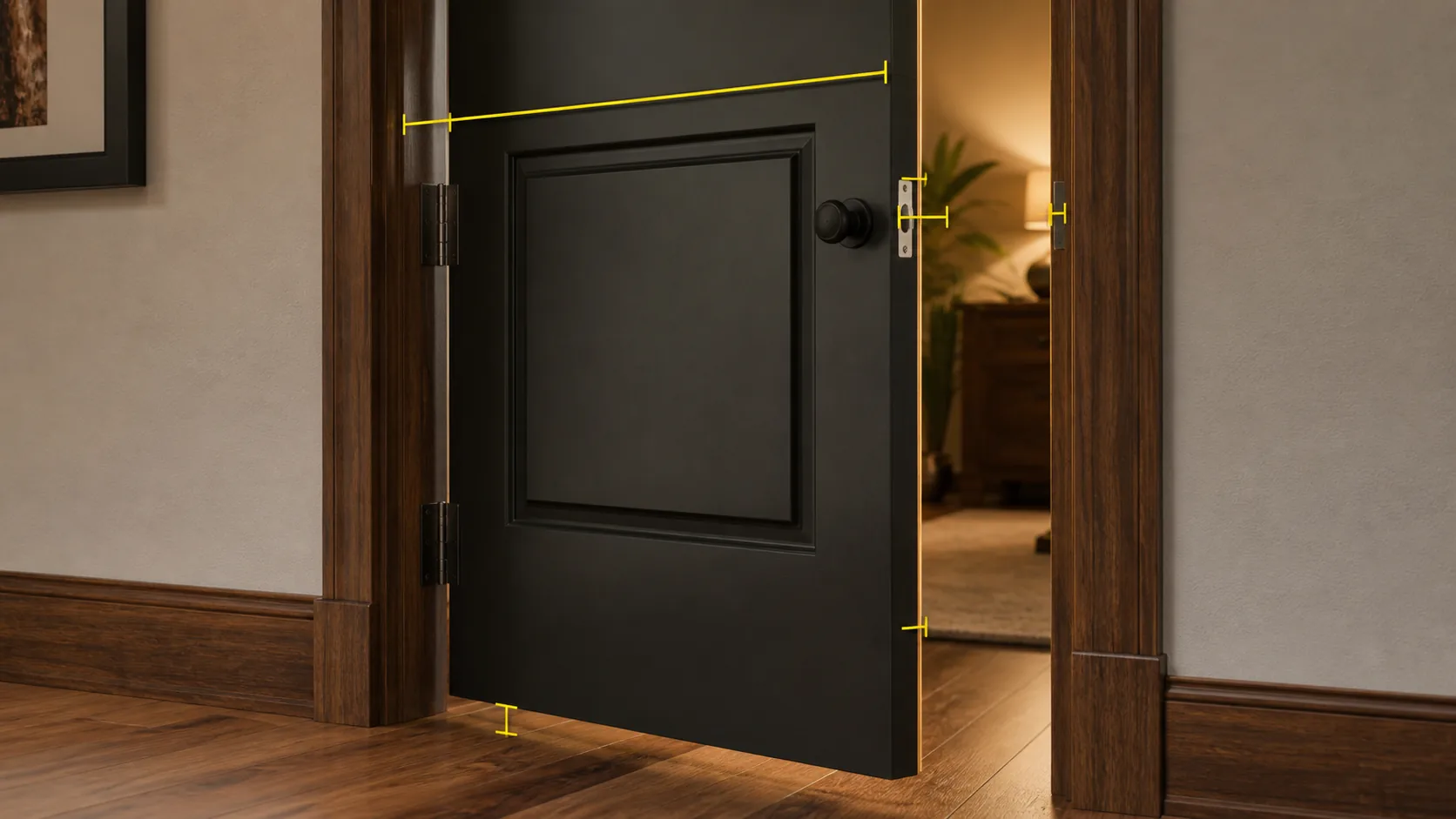
Hinges and mounting points
Loose hinges, worn hardware, stripped screw holes, or damaged jamb material can allow the door to drop or shift out of position.
Door edges and clearance
Scraping along the top, latch side, hinge side, floor, or threshold can help show how the door has moved.
Gaps around the door
Uneven gaps between the door and frame can reveal sagging, twisting, swelling, or an opening that is no longer square.
Latch and strike plate
A latch that misses the strike may result from door sag, jamb movement, loose hardware, or a shifted strike plate.
Frame and floor context
Recent flooring changes, settling, moisture, baseboard contact, or threshold movement can affect how the door clears the opening.
Do not force the door closed for photos. Show the exact point where it sticks, rubs, stops, swings, or misses the latch.
Send open and closed photos, reveal gaps, hinge close-ups, latch and strike views, floor clearance, and a short operation video.
Door hardware check
Door hardware problems should be checked with the mounting points
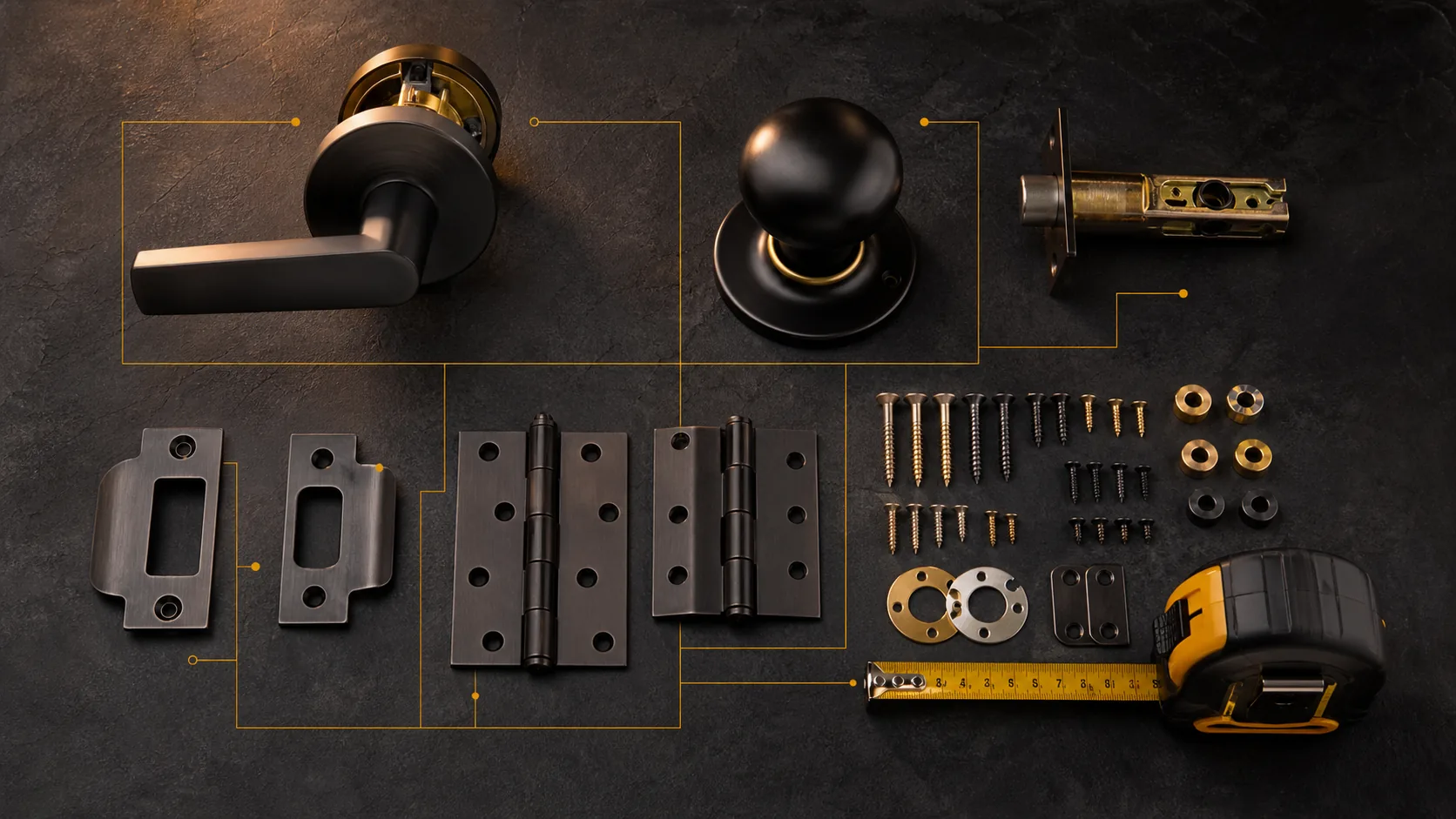
Loose handles, worn hinges, sticking latches, and shifting strike plates may involve more than the visible hardware. The fasteners, screw holes, door edge, jamb material, and surrounding alignment should be reviewed together.
Replacement hardware should be checked against door thickness, bore pattern, latch style, backset, screw locations, and existing finish marks before a part is assumed to fit.
Handles, knobs, and levers
Loose or rotating hardware may involve worn internal parts, missing fasteners, or damaged mounting holes. Photograph both sides of the door and latch edge.
Latches
A latch that sticks, rattles, or fails to retract may involve the hardware itself or pressure caused by a sagging or misaligned door.
Strike plates
Loose, bent, or shifted strike plates can keep a door from closing cleanly, especially when jamb material is split or holes are enlarged.
Hinges
Hinges that squeak, bind, shift, or pull away from the door or frame should be photographed with all screw locations visible.
Replacement parts
Interior privacy sets, closet hardware, sweeps, hinges, and basic replacement sets may use different dimensions and mounting patterns.
A compatible part can still fail if the surrounding door edge or jamb material is split, stripped, loose, or misaligned.
Send the existing hardware, damaged holes, latch edge, strike area, replacement parts, and any visible markings or measurements.
Jamb and trim condition check
The jamb and surrounding trim affect how the door works
A door can keep sticking, sagging, or missing the latch when the jamb, casing, threshold, or surrounding wall has shifted or become damaged. The opening should be reviewed as one connected assembly.
Previous filler, thick paint, old hardware holes, impact damage, loose casing, and floor-height changes can all affect fit. Exterior-door jambs may also show swelling, softness, staining, or deterioration near the threshold.
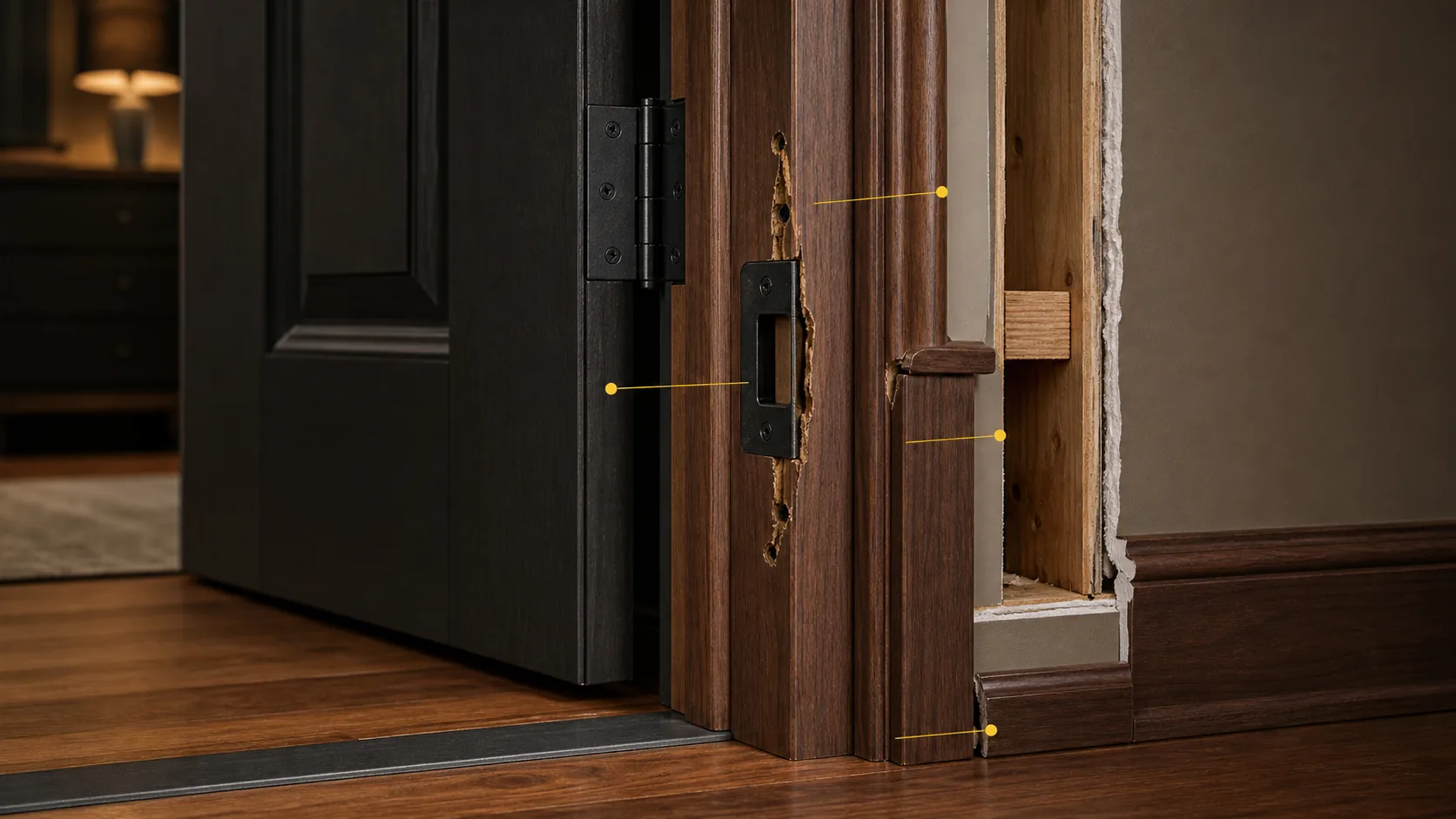
Hinge-side jamb
Split wood, stripped screw holes, loose hinge mounting points, or movement in the hinge jamb can allow the door to drop and scrape.
Strike-side jamb
Damage around the latch and strike plate can prevent the door from closing cleanly or keep replacement hardware from holding.
Casing and trim
Loose casing, open miter joints, cracked caulk lines, or trim pulling from the wall can show movement around the opening.
Wall and paint buildup
Repeated repairs, thick paint, filler, damaged drywall edges, or shifting wall material can affect how the frame and trim sit.
Floor transition
New flooring, thresholds, rugs, tile edges, or uneven floor height can reduce door clearance and create scraping.
Decorative, historic, heavily profiled, or custom trim may require more specialized matching than a functional door adjustment.
Send hinge-side and strike-side jamb photos, casing, baseboard, wall edges, threshold, floor transition, and old repair areas.
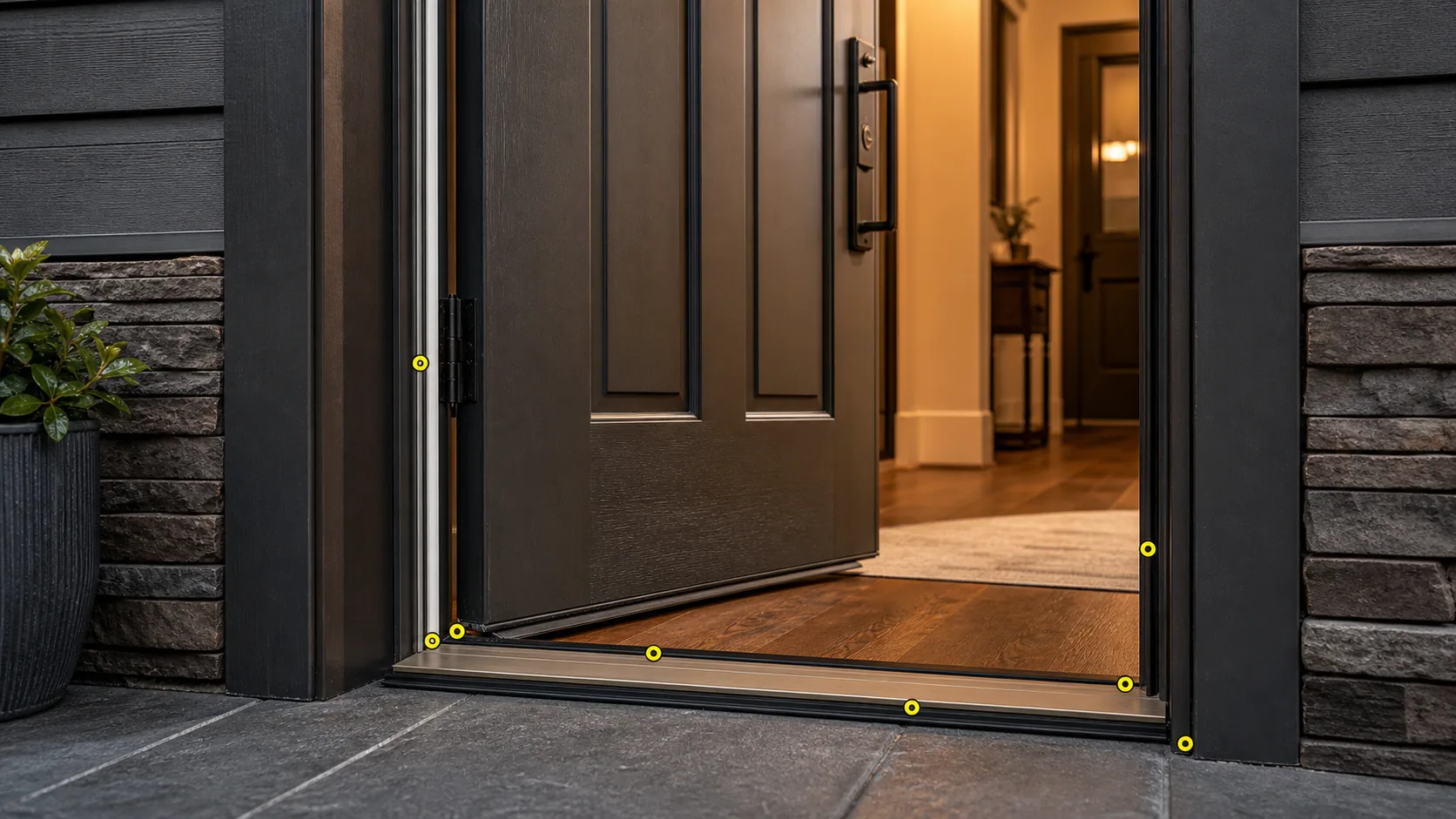
Exterior door perimeter check
Exterior door drafts should be reviewed around the full perimeter
A draft near an exterior door may involve weatherstripping, the sweep, threshold, frame alignment, perimeter caulk, or gaps created by a sagging or swollen door.
The full opening should be reviewed rather than treating one visible gap as the only problem. Seasonal movement, moisture, and freeze-thaw conditions around northern Illinois can change how an exterior door fits.
Top edge
Gaps along the head jamb may appear when the door sags, the frame shifts, or the weatherstripping no longer makes even contact.
Side edges
Worn seals, uneven gaps, loose hinges, or latch-side misalignment can allow air movement along either side of the door.
Bottom edge and sweep
A damaged, loose, or poorly contacting sweep may leave an uneven gap beneath the door. Show the floor height and door clearance.
Threshold
A raised, damaged, loose, or uneven threshold can affect how the door seals and whether it scrapes while opening.
Frame condition
Exterior casing, perimeter sealant, softness, staining, swelling, or widespread deterioration should be shown before weatherstripping is planned.
Active leaks, widespread rot, mold concerns, or major frame deterioration should be addressed before a simple perimeter repair is planned.
Send inside and outside photos, top, side, bottom, threshold, sweep, casing, and sealant views plus any seasonal draft pattern.
Estimate factors
What affects an estimate to fix a broken door
The repair scope depends on the door type, hardware, alignment, condition of the jamb and trim, access, and whether the problem is limited to one component or affects the full opening.
Door and location
Interior, exterior, closet, basement, garage, and entry doors have different materials, clearances, surrounding conditions, and access needs.
Hardware
Hinges, handles, latches, strike plates, sweeps, and replacement parts should be identified before the repair approach is clear.
Alignment and operation
Sticking, scraping, sagging, swinging, rattling, or failure to latch may involve several connected adjustments rather than one part.
Frame and trim condition
Split jambs, loose casing, damaged stops, threshold issues, and old repairs can affect whether a quick adjustment will hold.
Access
Door size, weight, stairs, narrow halls, nearby furniture, occupied rooms, and exterior access can change how the work is reviewed.
Existing conditions
Moisture, swelling, paint buildup, impact damage, floor-height changes, and seasonal movement can shift the repair plan.
Functional repair, paint or stain touch-up, trim matching, weatherproofing, and replacement expectations should be separated before an estimate is reviewed.
Clear photos, videos, measurements, hardware details, and frame context help HammerNest review the practical next step.
Project boundaries
When a broken door may need a broader repair plan
Some door problems extend beyond loose hinges, a misaligned strike plate, or worn weatherstripping. Severe slab damage, major jamb movement, active moisture, structural changes, or specialized door systems may require replacement or a different provider.
Related trim repair, weatherstripping, threshold work, loose hardware, drywall damage, and flooring-edge issues can still be included in the same request when each item is documented separately.
Door work outside localized repair
Severely damaged slabs
Doors that are badly warped, split, rusted, rotted, delaminated, or damaged around hinge and latch areas may be better suited to replacement.
Major jamb reconstruction
Extensive jamb splitting, significantly out-of-square openings, shifting frames, or damage affecting both sides may require broader carpentry.
Structural movement
Recurring sticking, changing gaps, cracked casing, or visible wall movement should be understood before the door is adjusted.
Specialized systems
Commercial doors, fire-rated assemblies, automatic closers, access-control systems, custom exterior doors, and specialized hardware may need another provider.
Glass or active water issues
Broken glass, sidelights, active water intrusion, widespread rot, mold concerns, or damaged surrounding walls and floors should be handled first.
Bundled small repairs
Related trim, thresholds, sweeps, weatherstripping, loose hardware, drywall touch-ups, and flooring-edge issues can be submitted together.
One submitted list does not guarantee every item uses the same repair method or fits one appointment.
Share every door, trim, threshold, weatherstripping, hardware, and nearby surface issue in one organized request.
Service hub
Related door and trim repair paths.
These pages may fit the same door, frame, hardware, trim, or small repair request.
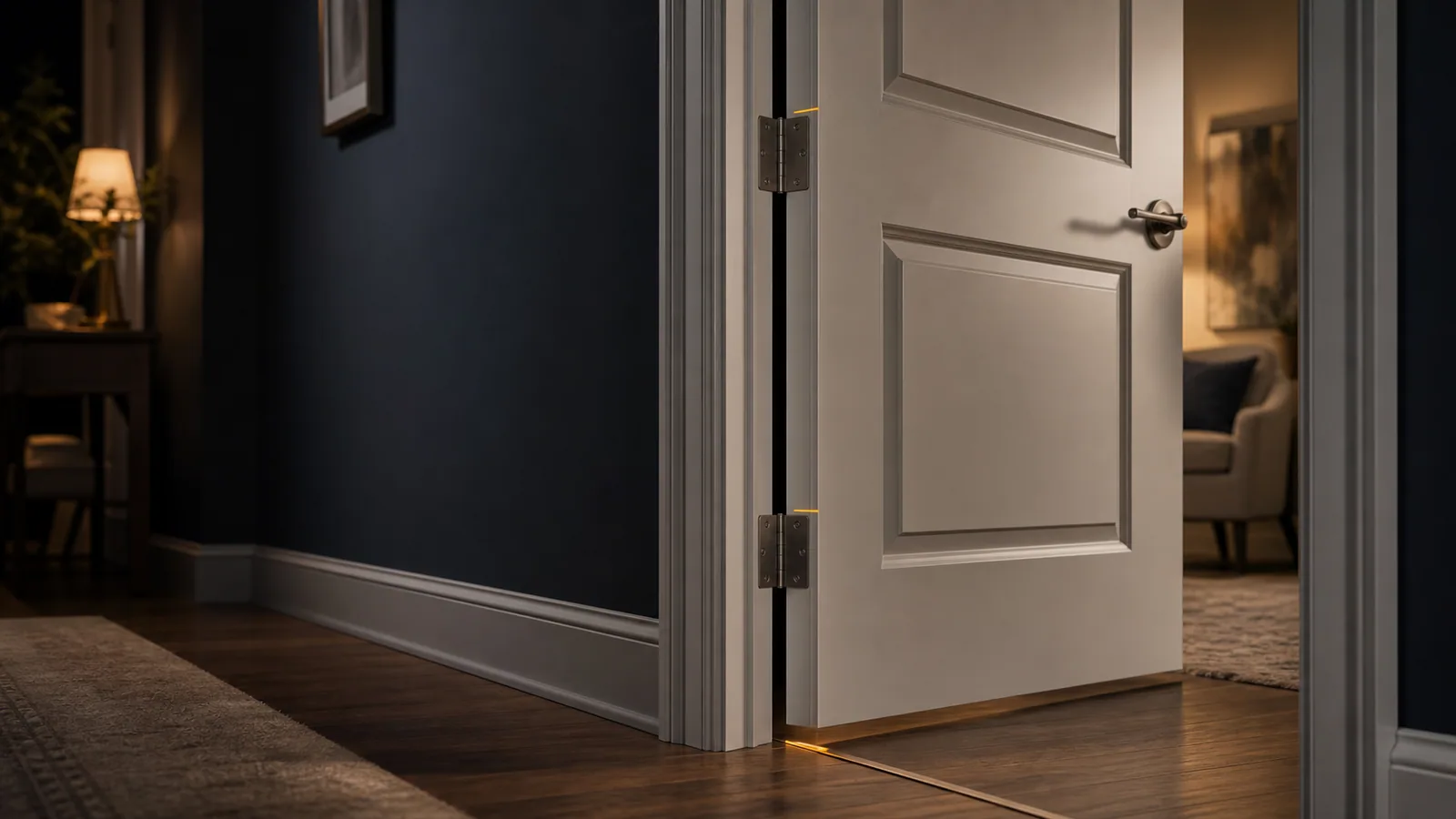 Door RepairNeed door repair in Freeport, IL? HammerNest reviews photos, scope, materials, and timing for practical handyman help nearby.View Service ->
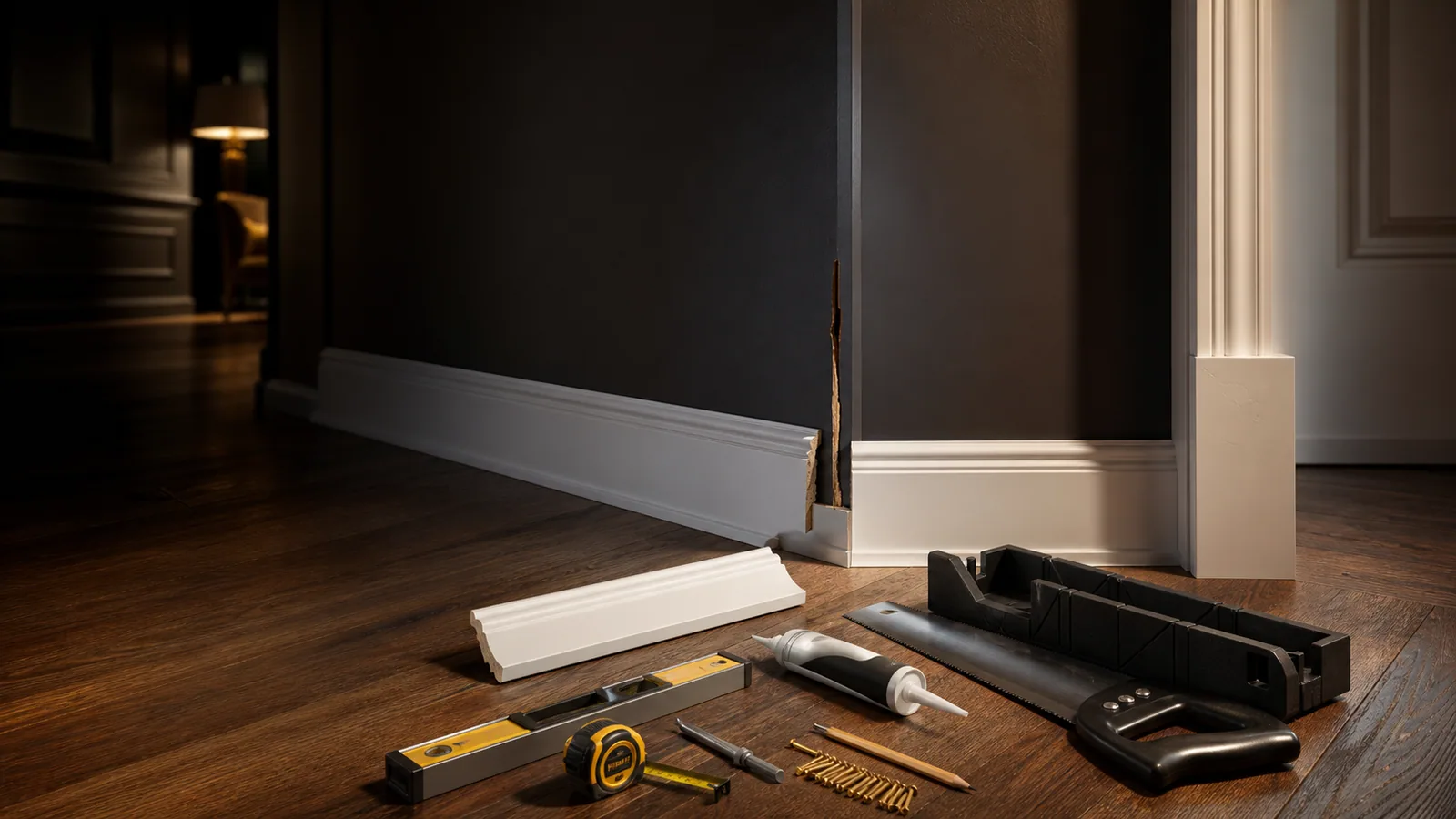 Trim and Molding RepairNeed trim and molding repair in Freeport, IL? HammerNest reviews photos, scope, materials, and timing for practical handyman help nearby.View Service ->
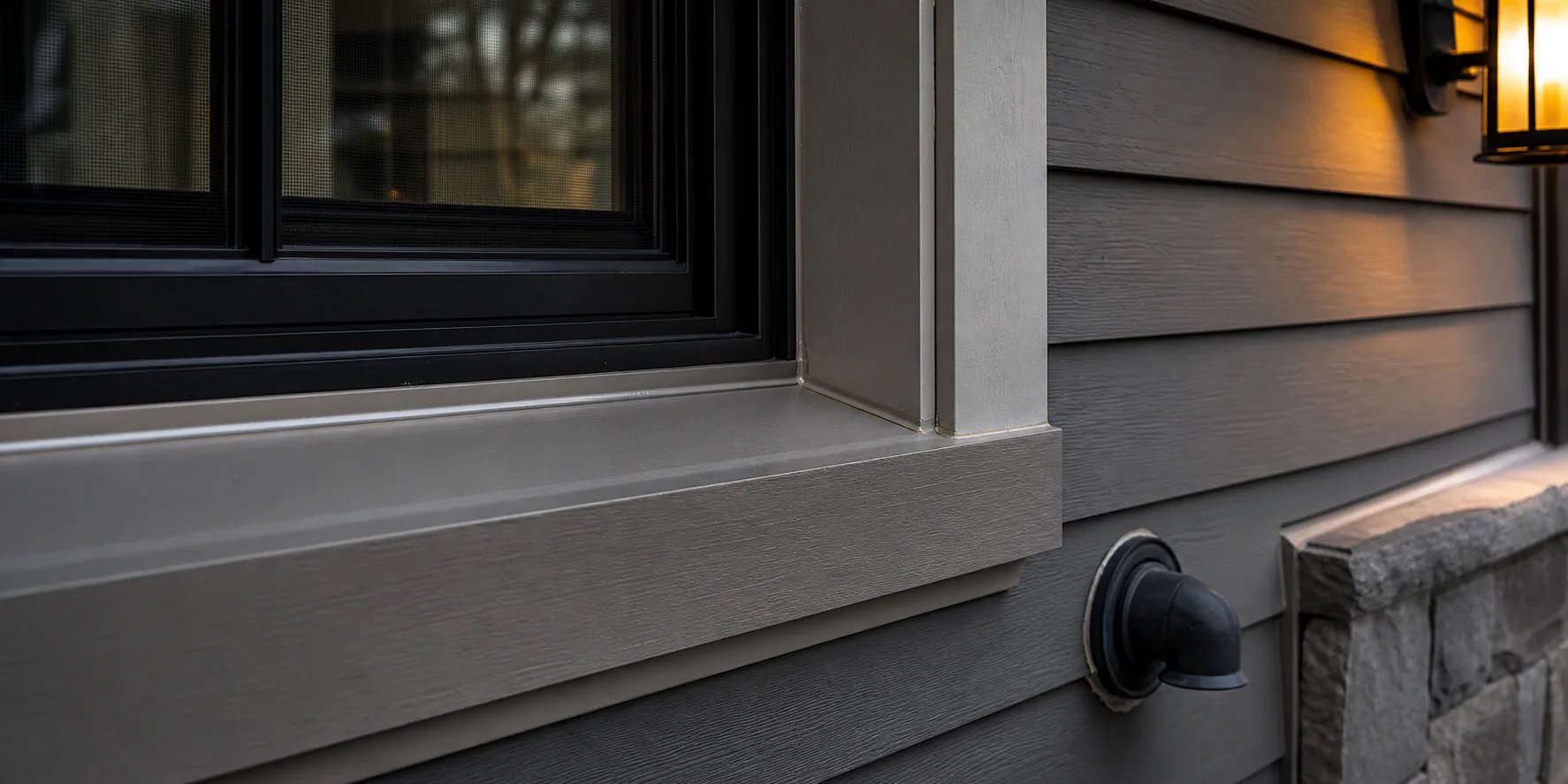 Weatherproofing and CaulkingNeed weatherproofing and caulking in Freeport, IL? HammerNest reviews photos, scope, materials, and timing for practical handyman help nearby.View Service ->
 Request EstimateSend photos, timing, property details, and repair notes so HammerNest can review your handyman request before the next step.View Service ->


 Not sure if we cover your area?


