
Deck Repair
HammerNest provides deck repair help in Freeport, IL for loose boards, raised fasteners, wobbly railing sections, small stair-component problems, damaged fascia, and localized deck issues.
Fast response. Quality work. Fair pricing.
Property maintenance
Deck repair for common residential problems in Freeport, IL
HammerNest reviews common deck repair issues such as loose or cracked deck boards, raised fasteners, shifting walking surfaces, wobbly railings, small stair-component problems, and damaged fascia or lattice.
A deck problem should be reviewed as part of the full assembly, not just as one loose board or one moving railing. Material, damaged area, supporting structure, moisture exposure, and deck height all affect what should be checked next.
Loose or cracked boards
Deck boards that shift, split, cup, or move under normal foot traffic should be reviewed with the fasteners and support below.
Raised fasteners
Protruding nails, loose screws, and repeated fastener movement can point to material wear, spacing, or support issues.
Wobbly railings
Moving rail sections, loose balusters, or handrail problems should be checked with the posts, brackets, blocking, and deck framing.
Small stair repairs
Treads, risers, stringer connections, and landing areas may need review when stairs shift, loosen, or feel uneven.
Fascia, trim, and lattice
Damaged edge boards, skirting, lattice, and localized finish pieces can be included in the full deck repair list.
Send the complete deck repair list when several boards, railings, stairs, or finish pieces are involved so the request can be reviewed as one property-maintenance scope.
Include wide deck photos, close-up damage, underside views when safe, and what moves during normal use.
Project intake checklist
What to send with your deck repair request
A few clear photos and basic measurements help show the damaged area, deck material, access conditions, height, and whether the issue may extend below the visible surface.
Full deck view
Take one wide photo showing the deck, stairs, railings, house connection, and surrounding yard or access conditions.
Damage close-ups
Add close photos of loose or cracked boards, soft areas, raised fasteners, moving railings, damaged stair parts, fascia, lattice, brackets, or failed connections.
Underside and edges
When the area can be viewed safely, photograph beneath the deck and along exposed edges so visible framing and connections can be reviewed.
Material and measurements
Include approximate affected area, board width, deck height, stair count, railing length, and whether the deck is wood, composite, PVC, painted, or stained.
What moves or feels soft
Explain whether boards shift, stairs flex, rails move, fasteners lift, or a section changed after moisture, weather, or impact.
Only photograph the underside or edges when it is safe and accessible. Wide photos, close-ups, measurements, and material details are usually enough to start the review.
How it works
How the deck repair request works.
A simple repair flow from deck details to follow-up.
- Send repair detailsShare photos, location, urgency, and the best way to reach you.
- Upload photos if helpfulWide and close-up photos make the first review clearer.
- Choose call or text follow-upTell us how you prefer to handle the next step.
- Get the next stepIf the job fits, timing, materials, and the repair plan are confirmed.


Deck surface check
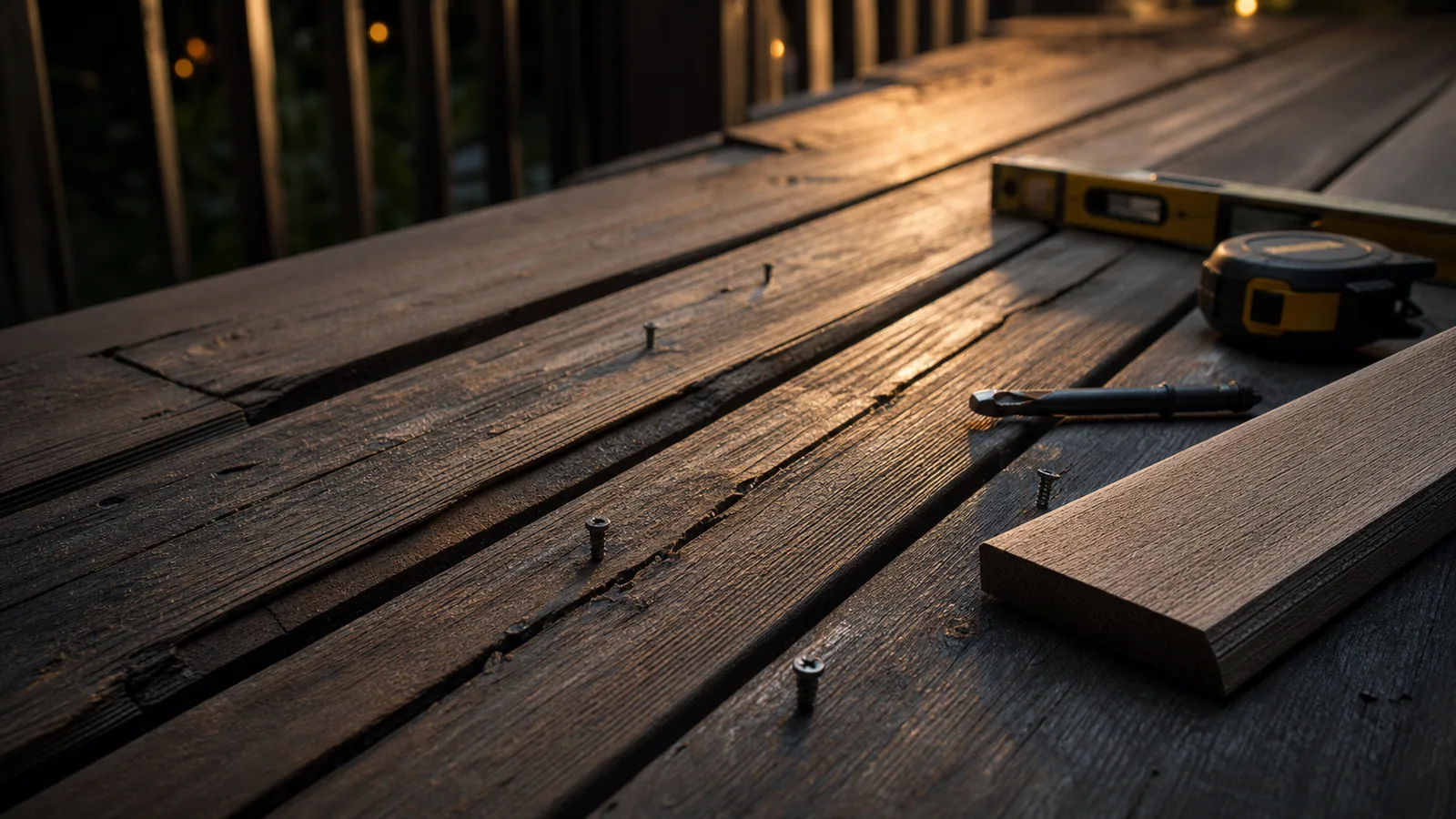
Deck-board problems should be checked above and below the surface
A damaged deck board may be only the visible part of the problem. Loose fasteners, moisture, spacing, weakened material, or movement in the support below can affect the walking surface.
One split board is different from several soft, warped, or uneven boards across the same area.
Loose boards
A board that shifts, lifts, or flexes under normal foot traffic may have failed fasteners, weakened material, or limited support beneath it.
Cracks and splits
Cracks near board ends, fasteners, or edges can spread as the material moves and weathers.
Cupping and warping
Boards that cup, bow, or sit unevenly can affect walking comfort and may point to moisture or fastening issues.
Raised fasteners
Repeatedly raised screws or nails may signal movement in the board, framing, or fastener connection.
Material matching
Wood, composite, and PVC decking use different profiles, fasteners, spacing, and replacement considerations.
The cause should be checked before replacing one board so the same movement or fastener issue does not return.
Railing and stair check
Loose railings and stairs may involve more than surface hardware
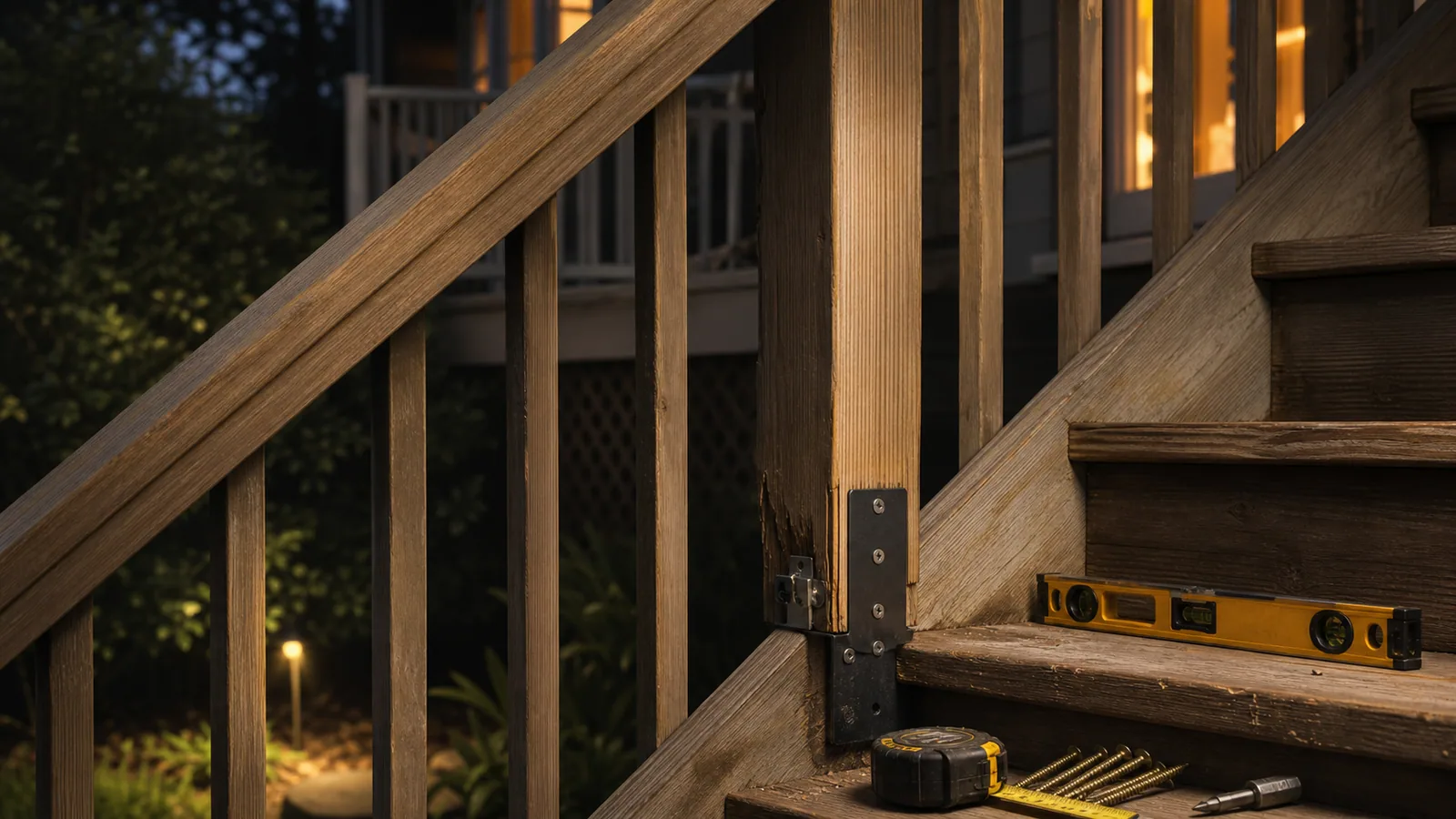
A moving railing or shifting stair part is not always caused by one loose screw. Posts, brackets, blocking, fasteners, framing, and deck connections can all affect the assembly.
Several loose balusters, a moving handrail, uneven treads, or a landing that has shifted may point to a broader support issue.
Loose railings
Movement in the top rail or an entire railing section may begin at the post base, brackets, fasteners, or supporting framing below.
Balusters
One loose baluster may be localized, but several moving balusters can indicate that the rail assembly needs broader review.
Handrails
Handrails that twist, shift, or separate from posts should be checked with the full rail run and connections.
Stair treads and risers
Uneven, loose, or damaged stair parts may involve treads, risers, stringers, fasteners, or landing movement.
Connections and posts
Posts, blocking, brackets, and fasteners help determine whether a railing or stair repair is localized or broader.
Limit normal use of unstable railings or stair sections until the issue is reviewed. Photos help show whether the concern looks localized or broader.
Show the moving section, post base, nearby framing, tread edges, and any hardware that looks loose.
Structure below the surface
The structure below the deck affects the repair above it
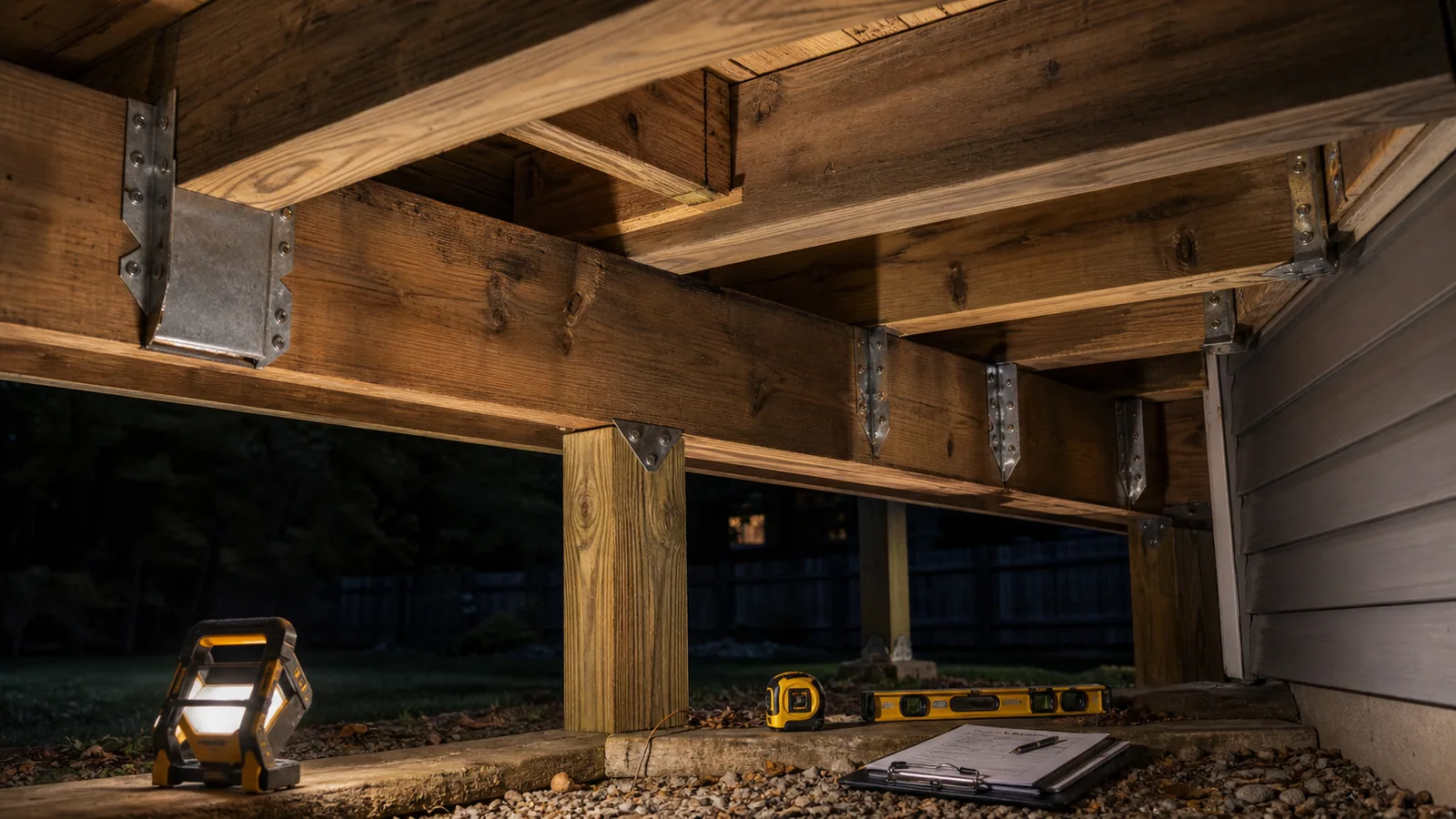
Deck boards depend on the joists, beam, posts, ledger, and connections beneath them for support.
Repeated board movement, sagging areas, or an uneven walking surface may indicate that the visible decking is not the only component involved.
Joists
Joists support the deck boards and help keep the walking surface level. Splitting, softness, movement, or deterioration should be photographed closely.
Beams
Beam condition matters when the deck surface sags, shifts, or repeatedly moves in one area.
Posts
Posts and post bases should be checked for movement, moisture exposure, splitting, and contact with the ground or concrete.
Ledger and house connection
Attached decks should be reviewed where the deck meets the house when that area is visible and safely accessible.
Hardware and blocking
Joist hangers, brackets, bolts, blocking, and visible fasteners help explain how the deck is assembled below the surface.
Structural concerns, widespread movement, or significant deterioration may need a deck specialist instead of a localized handyman repair.
Moisture and material check
Water exposure can change what kind of deck repair makes sense
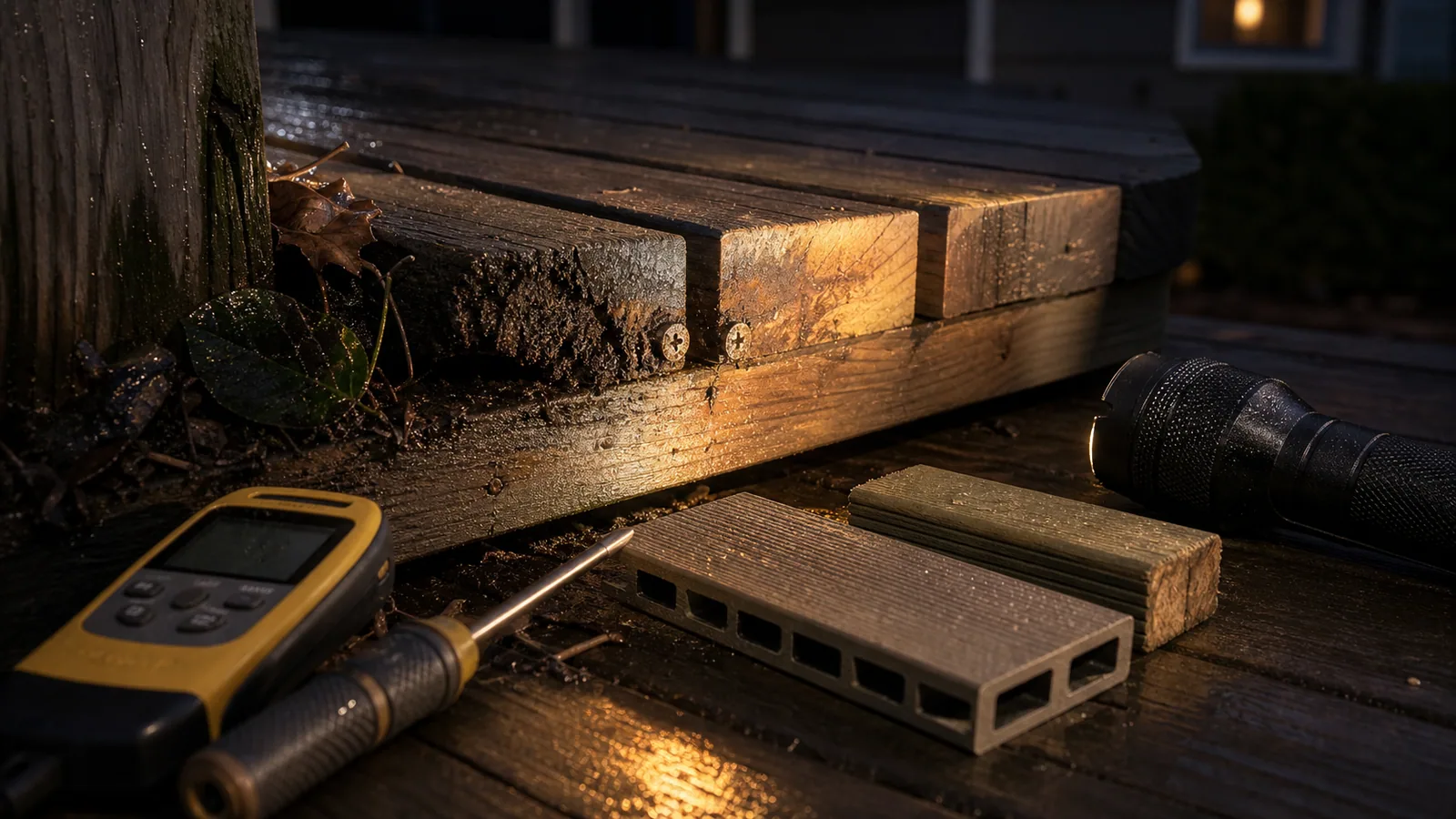
Dark staining, soft boards, peeling finish, and recurring fastener problems can point to moisture staying in the deck longer than expected.
Water can move through gaps, collect near connections, and affect framing or hardware below wood, composite, or PVC decking.
Soft wood
Wood that compresses, flakes, or breaks apart around fasteners may have lost strength from repeated moisture exposure.
Rot and deterioration
Splitting, crumbling fibers, fungal growth, or damage across several connected pieces may change the repair approach.
Drainage and standing water
Water collecting near board ends, house connections, stairs, planters, or shaded areas can accelerate deterioration.
Fastener corrosion
Corroded screws, nails, hangers, and brackets can affect how a repair is fastened or whether hardware should be replaced.
Material type and weathering
Pressure-treated wood, cedar, composite, PVC, painted, and stained decking all weather and repair differently.
Active moisture, rot, and widespread deterioration should be addressed before assuming a small board or fastener repair is enough.
Estimate factors
What affects a deck repair estimate
The scope depends on more than the most visible damage. Deck material, affected components, structural conditions, access, connection details, and finish expectations all help determine what the repair may involve.
Scope
The number, size, and location of damaged boards, railings, posts, stairs, fascia, lattice, and hardware affects the repair review.
Material
Pressure-treated wood, cedar, composite, PVC, and painted or stained decking use different boards, fasteners, brackets, and trim components.
Structure
A surface-board problem is different from damage involving joists, beams, ledger connections, posts, or stair framing.
Access
Deck height, underside access, tight yards, landscaping, stored items, and nearby utilities can affect how the damaged area is reached.
Moisture
Soft material, rot, drainage issues, corrosion, and recurring water exposure can change the repair scope.
Finish
Functional repair, stain matching, paint touch-up, board appearance, and weathered-material blending are not always the same scope.
Before sending the request, gather wide photos, close-ups, underside views when safe, deck material details, affected measurements, and what moves or feels soft.
Clear details help HammerNest review the practical next step without guessing from one close-up.
Project boundaries
When deck repair may need a broader plan
Some deck problems extend beyond a localized board, railing, or stair repair. Widespread deterioration, repeated movement, failing supports, or damage across several connected areas may point toward partial reconstruction or replacement.
Related exterior repairs can still be mentioned in the same request so the complete property-maintenance context is clear.
May need a different specialist or plan
Widespread structural deterioration
Extensive rot, failing framing, repeated post movement, or instability across most of the deck may make isolated repairs impractical.
Full replacement or redesign
Full deck replacement, new layouts, major additions, or redesign work may need a deck contractor.
Permit or code-dependent work
Major structural changes, elevated deck concerns, or code-dependent railing/stair work may require a licensed or specialized contractor.
Active water or drainage issues
Drainage failures, active moisture problems, or water intrusion should be handled before deck repair proceeds.
Foundation or grade movement
Shifting footings, retaining-wall issues, erosion, or major grade movement may need a different plan.
Large finishing projects
Whole-deck refinishing, staining, painting, or resurfacing may need a dedicated finishing scope.
If fence, railing, weatherproofing, drainage, or exterior hardware issues are connected to the deck concern, mention them once so the request context is clear.
Service hub
Related exterior repair help.
These pages may fit nearby exterior repairs or the same property-maintenance list.
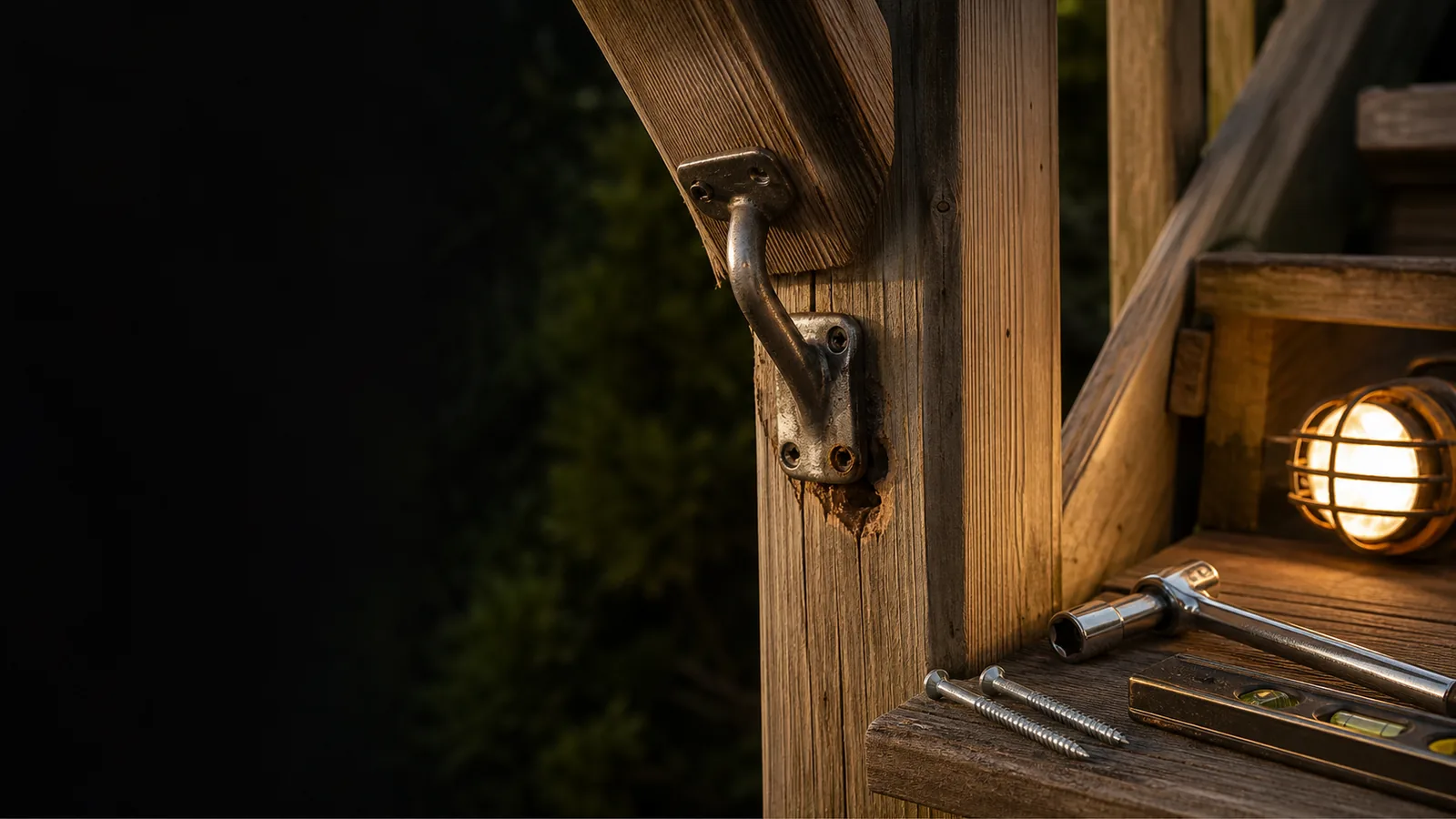 Fix Loose RailingsLoose railing or wobbly stair detail near Freeport? HammerNest can review photos, fastening points, materials, and handyman-scope options.View Service ->
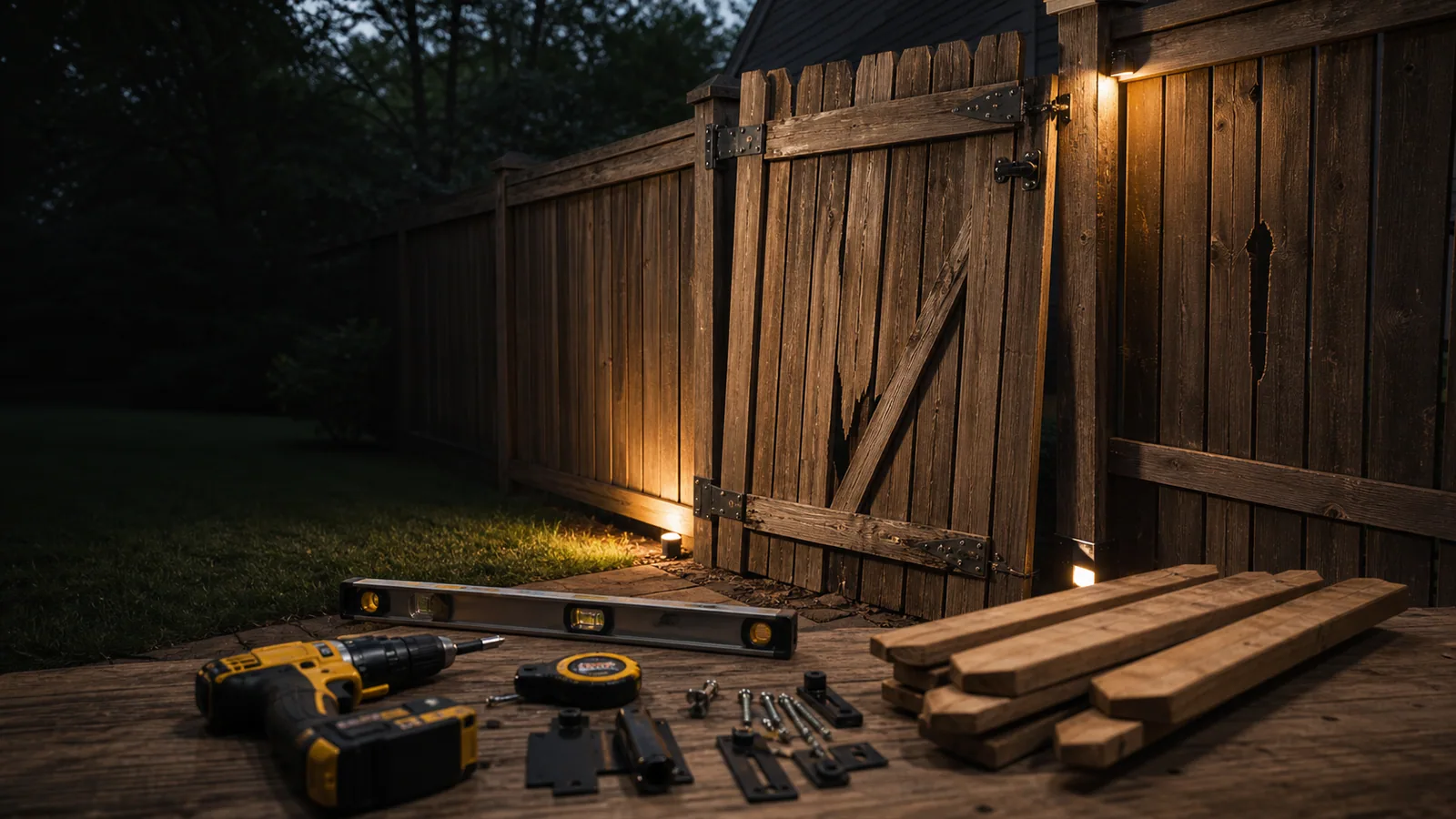 Fence RepairNeed fence repair in Freeport, IL? HammerNest reviews photos, scope, materials, and timing for practical handyman help nearby.View Service ->
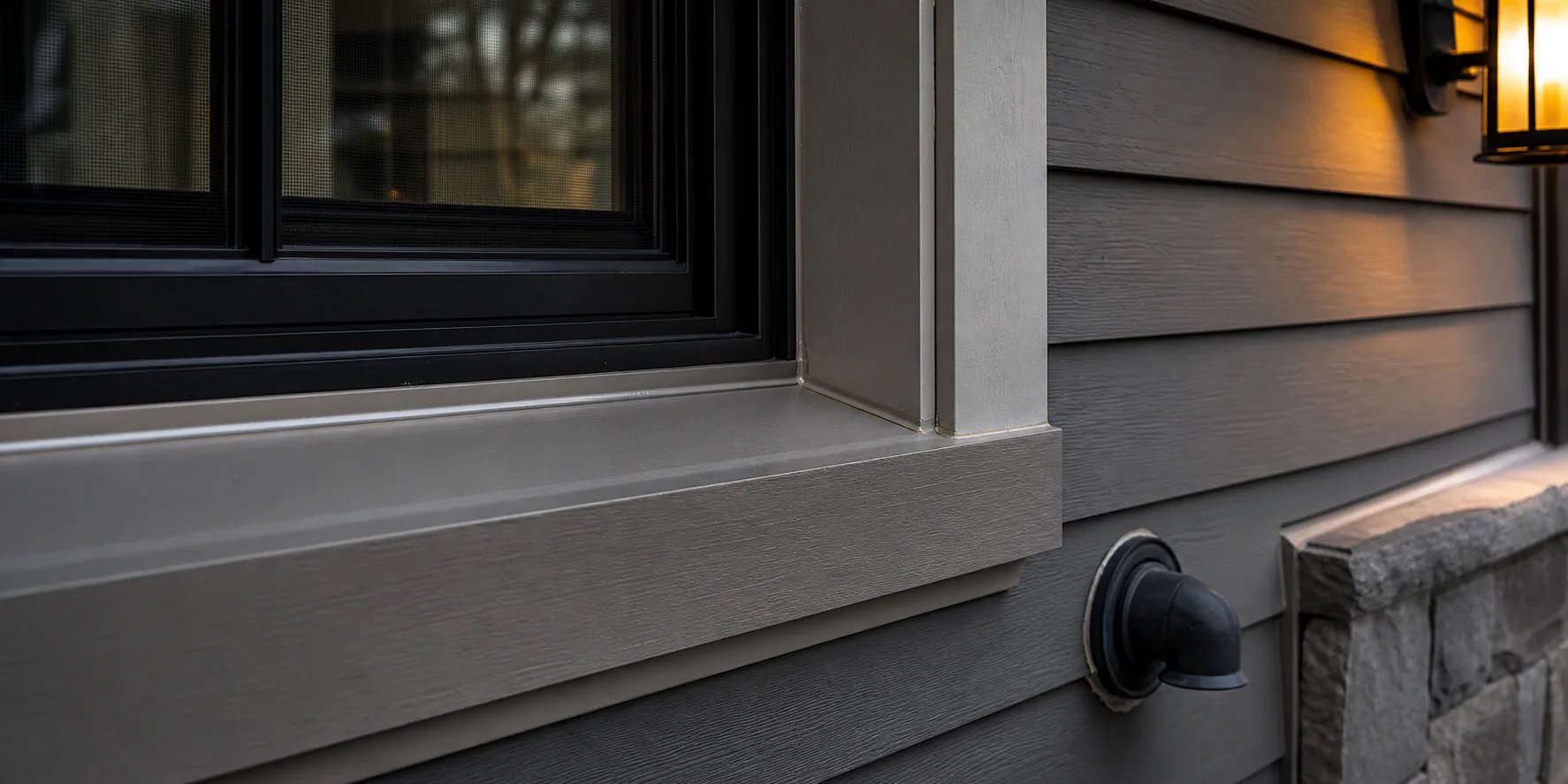 Weatherproofing and CaulkingNeed weatherproofing and caulking in Freeport, IL? HammerNest reviews photos, scope, materials, and timing for practical handyman help nearby.View Service ->
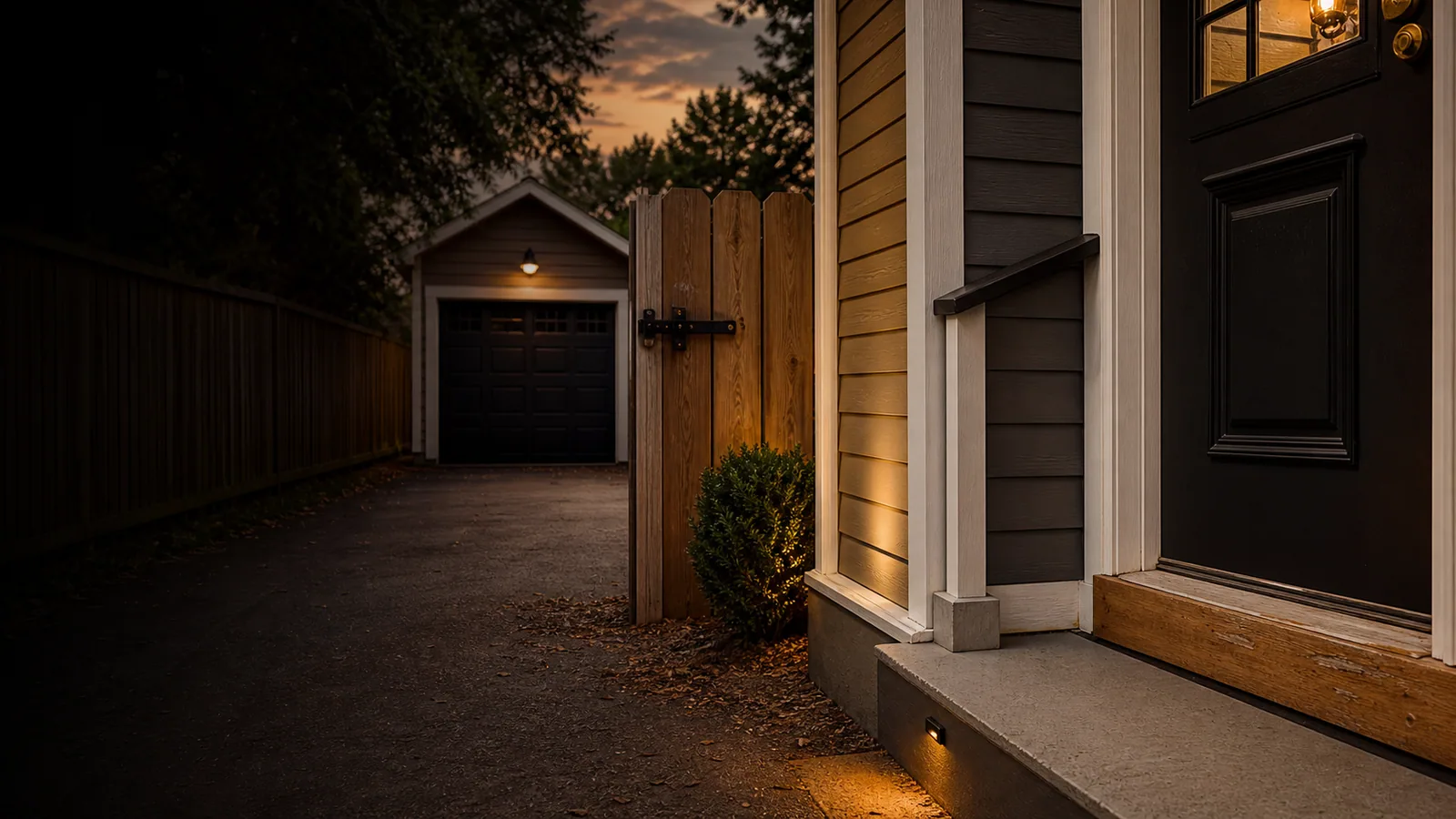 Property Maintenance in Freeport, ILOrganize rental turnover repairs, deck fixes, fences, minor plumbing, light electrical tasks, and property punch lists near Freeport.View Service ->


 Not sure if we cover your area?


